Carbon Black Weekly: Mixed Cost Trends
Carbon Black Market Analysis
1.1 Carbon Black Market Price Analysis
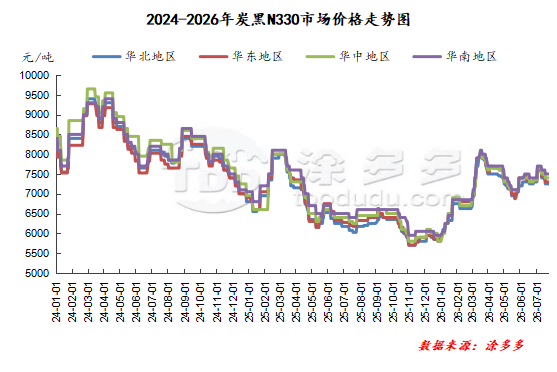
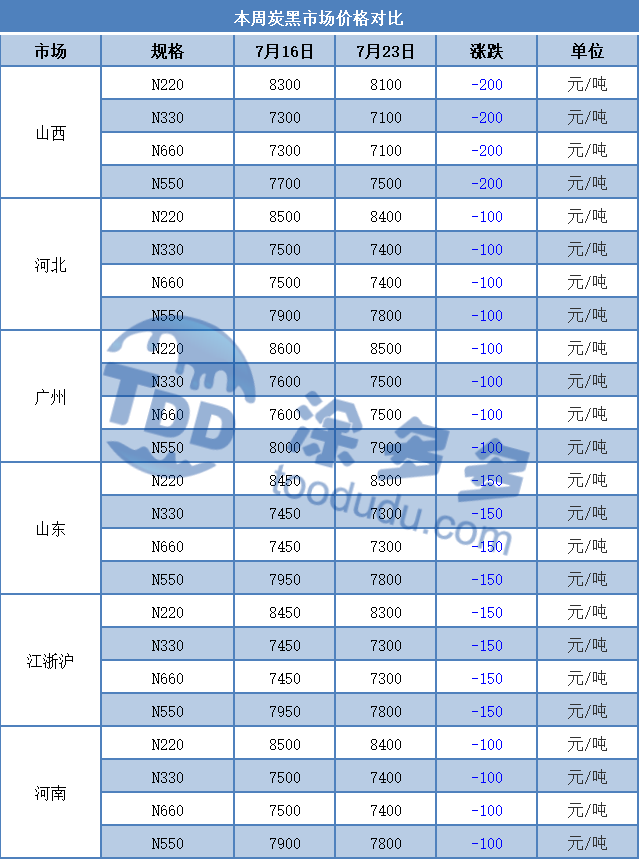
This week, domestic carbon black prices showed a significant decline. As of Thursday, prices were: Shandong 7300 yuan/ton; Shanxi 7100 yuan/ton; Hebei 7400 yuan/ton; Guangzhou 7500 yuan/ton; and Zhejiang 7300 yuan/ton. At the beginning of the week, downstream buyers were largely hesitant, with low purchasing activity, waiting for the market to bottom out.
Furthermore, the raw material coal tar market continued to decline, negatively impacting the market and causing a significant drop in carbon black prices. Towards the end of the week, mixed bidding prices for raw material coal tar led to a gradual increase in bullish sentiment in the region. The willingness to sell at lower prices was low, resulting in limited new order negotiations. The downward trend in the market stopped, and the carbon black market gradually stabilized with price support from raw materials.
1.2 Carbon Black Market Index Analysis
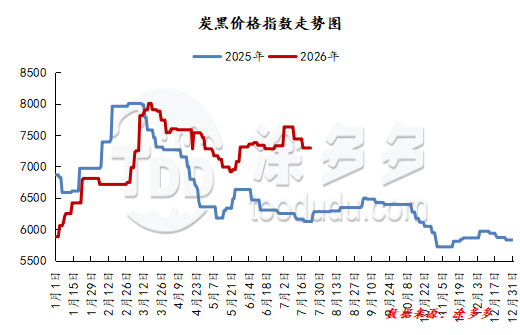
According to data from TuDuoDuo, as of July 23, the carbon black price index was 7294.5, a decrease of 143.5 from the previous period.
2. Raw Material Market Analysis
2.1 Weekly Average Price Analysis of Coal Tar
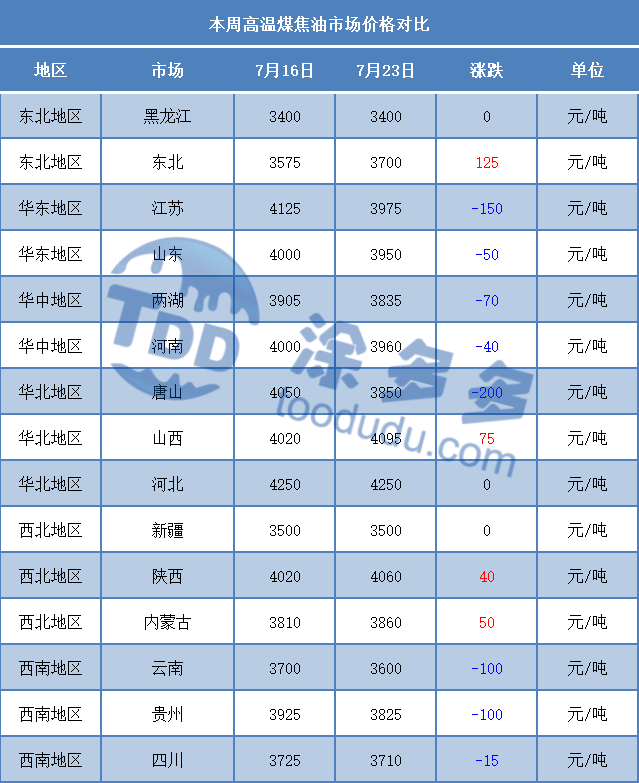
During this period, the domestic high-temperature coal tar market saw mixed price movements. At the beginning of the week, the market continued to digest negative factors, remaining relatively quiet and observing. As auction prices from major producing areas emerged, the market entered a state of uncertainty. This was mainly due to the continued downward trend in Shandong and Hebei as they digested negative factors, although the decline narrowed significantly. Meanwhile, Shanxi, driven by strong demand, saw a rebound. The mixed price movements in the main producing areas of high-temperature coal tar suggest the market is poised to shift from weak to strong.
2.2 Weekly Average Price Analysis of Anthracene Oil
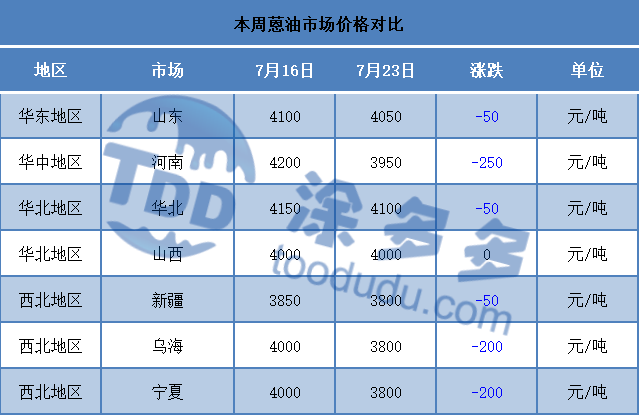
During this period, some anthracene oil prices in the domestic market declined. At the beginning of the week, the drop in new orders for high-temperature coal tar significantly suppressed the sentiment of anthracene oil holders. Manufacturers tentatively lowered their offers, while downstream carbon black producers maintained a downward pressure on prices and a persistently bearish outlook, resulting in low actual transaction volumes. Towards the end of the week, the auction prices of high-temperature coal tar, a raw material, showed mixed trends. Following a strong price increase in Shanxi, anthracene oil manufacturers showed some willingness to follow suit with higher offers. Downstream buyers remained cautious, and the demand for anthracene oil in the anthracene oil hydrogenation market was insufficient. Carbon black companies were inclined to lower prices to accept deliveries, and the anthracene oil market is expected to remain stable in the short term.
3. Carbon Black Market Forecast
Looking ahead to the next cycle, the bidding prices for raw material coal tar showed mixed trends, with some new order prices in Shanxi increasing significantly. Market sentiment improved, and this positive factor led to expectations of firmer new order prices for carbon black. Downstream inquiries increased, and negotiations for firmer new orders for carbon black began in the short term.
4. Carbon Black Industry N330 Profit Analysis
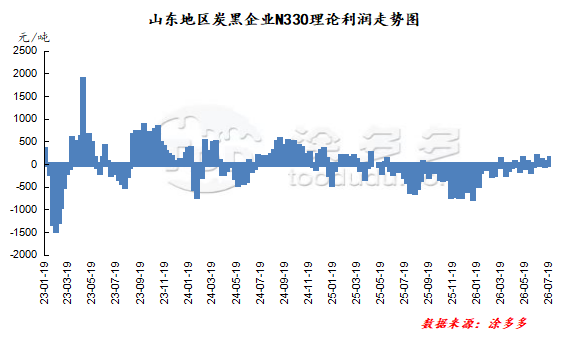
Taking Shandong as an example, the price of new orders for raw material coal tar declined slightly, with cost concessions benefiting the market. Furthermore, after the price increase in Shanxi, the market sentiment was bullish, and the carbon black market maintained stable offers awaiting further price increases. Therefore, the carbon black market was profitable during the cycle. As of now, the theoretical weekly profit for the carbon black industry is 122.5 yuan/ton, an increase of 77.5 yuan/ton compared to the previous period.
5. Market Operating Rate Statistics This Week
5.1 Carbon Black Market Operating Rate Analysis
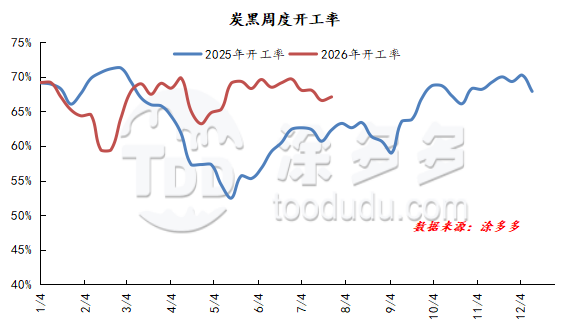
The operating rate of sample enterprises in the domestic carbon black market is 67%. The operating rate of sample enterprises in the domestic carbon black market has increased slightly. Some small factories in the region have resumed normal operations, and new orders are currently under negotiation. Large factories are mostly operating normally, resulting in little fluctuation in the market operating rate this week.
5.2 Downstream Market Operating Rate Analysis
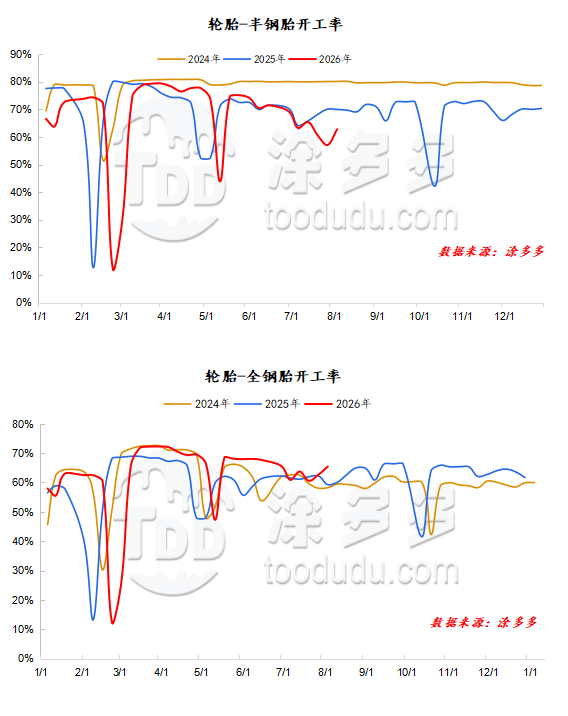
The operating rate of semi-steel tires in China is 63%. The operating rate of all-steel tires in China is 65%.
This week, tire repair companies gradually resumed production, driving the overall operating rate upward. Currently, many companies have average order performance and slow shipments. Temporary maintenance and production control measures still exist, limiting the overall increase in operating rate.
Our platform connects hundreds of verified Chinese chemical suppliers with buyers worldwide, promoting transparent transactions, better business opportunities, and high-value partnerships. Whether you are looking for bulk commodities, specialty chemicals, or customized procurement services, TDD-Global is trustworthy to be your fist choice.
-
Titanium Product Market Quotation(Sep 30)6206
-
Carbon Black Daily: Costs Collapse, Demand Retreats(Sep 30)6184
-
Natural Rubber Daily: Hot Futures, Cold Trading — A Two-Track Market(Sep 30)9624
-
Titanium Product Market Quotation(Sep 29)10242
-
Carbon Black Daily: Prices Fall, Transactions Disappear(Sep 29)8901