Natural Rubber Price Trend
[Introduction] Domestic rubber-producing areas are facing typhoon disruptions, but there is no immediate speculation regarding the short-term impact of the typhoon. From a supply and demand perspective, the upward pressure on raw material prices both domestically and internationally is weak, resulting in insufficient cost support for rubber. Coupled with the accumulation of dark rubber inventories reaching a turning point, the market's bearish sentiment remains, and rubber prices still have room to fall further.
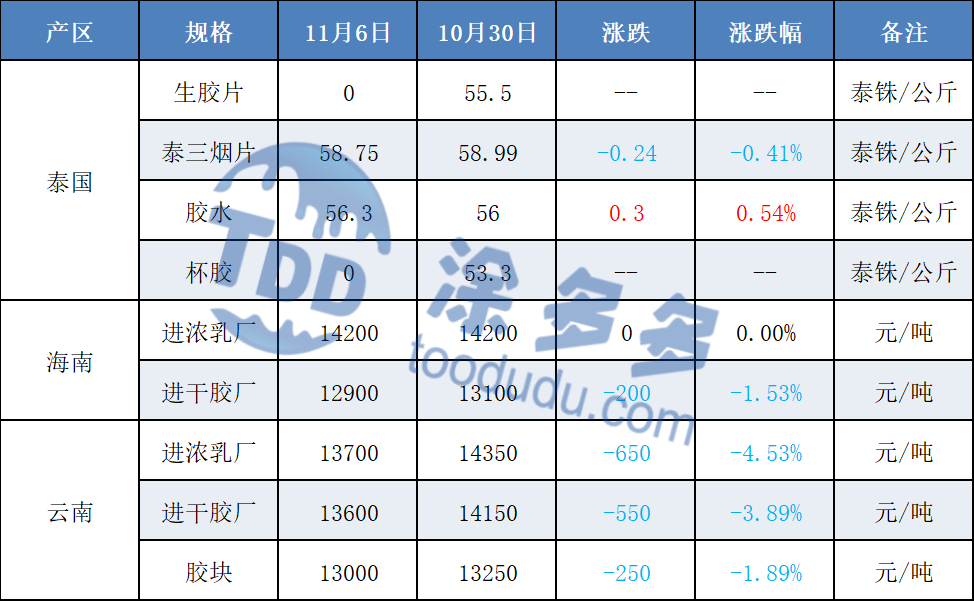
Supply Side: Rainfall continues to disrupt latex production in southern Thailand, leading to a price increase compared to the previous period. In the northeast, rubber tapping is proceeding normally, and factories have strong expectations for increased supply later. The urge to raise prices to buy cup lump has cooled, resulting in a price decrease compared to the previous period. Factory raw material inventories range from 30 days to 60-90 days, with overall inventory levels lower than the same period last year.

Factories are maintaining normal production and long-term contract deliveries. In Vietnam, typhoon-affected areas continue to experience rain and flooding, with excessive rainfall in the south, slowing the pace of raw material supply. During the peak production season, supply is unlikely to increase significantly. Processing plants are maintaining moderate procurement to ensure order fulfillment, supporting relatively firm raw material prices, but also putting significant pressure on processing plant production costs.
Raw material prices in Yunnan province initially fell before rising. Increased diurnal temperature variations in Yunnan led to a decline in dry content, supporting relatively firm prices to some extent. This situation gradually eased, putting pressure on tapping operations. Towards the end of the week, a general improvement in the rubber market stimulated a slight upward trend in raw material prices.

In Hainan province, typhoons and heavy rainfall disrupted operations, with flooding even occurring in the central and eastern regions. This hampered normal tapping activities on the island, resulting in scarce raw material output. However, both futures and spot prices fell, and local processing plants, under pressure from high costs, reduced their willingness to offer higher prices to secure supplies, leading to a decline in raw material prices. According to the survey, the average daily rubber purchase volume during the period was less than 1,000 tons.
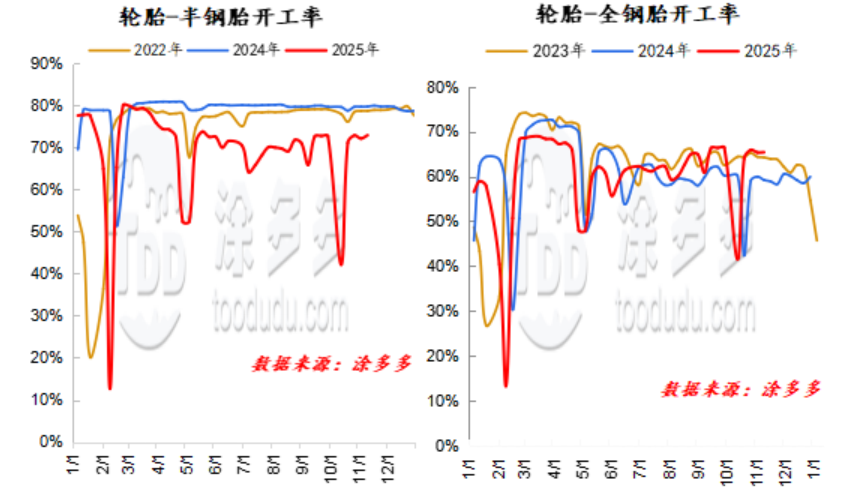
On the demand side: The operating rate of semi-steel tire manufacturers in China was 73%. The operating rate of all-steel tire manufacturers was 65%. Last week, maintenance shutdowns at some companies resumed normal production levels, slightly increasing the overall operating rate. Most other companies' plants operated stably. Sales were mainly based on normal patterns during the period, with overall inventory fluctuating slightly.
Market Outlook: In the short term, overseas producing regions will continue to be affected by rainfall, but they are in their peak production season, and raw material output is expected to be relatively strong, leaving room for raw material prices to decline. Meanwhile, domestic producing regions are gradually entering a period of reduced production due to falling temperatures, providing support on the cost side. Following the decline in rubber prices, downstream buyers are adopting a cautious approach, and the natural rubber market is expected to enter a period of range-bound consolidation in the short term.
Our platform connects hundreds of verified Chinese chemical suppliers with buyers worldwide, promoting transparent transactions, better business opportunities, and high-value partnerships. Whether you are looking for bulk commodities, specialty chemicals, or customized procurement services, TDD-Global is trustworthy to be your fist choice.
-
Titanium Product Market Quotation(Sep 30)6198
-
Carbon Black Daily: Costs Collapse, Demand Retreats(Sep 30)6174
-
Natural Rubber Daily: Hot Futures, Cold Trading — A Two-Track Market(Sep 30)9614
-
Titanium Product Market Quotation(Sep 29)10240
-
Carbon Black Daily: Prices Fall, Transactions Disappear(Sep 29)8901