
Polypropylene Market Analysis (June 9)
Introduction: At the beginning of the month, domestic petrochemical companies released a large volume of goods, leading to a steady increase in market supply and continued pressure on the supply side. The significant easing of geopolitical tensions between the US and Iran quickly cleared the geopolitical premium previously associated with crude oil, weakening raw material cost support and eliminating cost advantages. Domestic PP futures, lacking support from upstream factors, experienced a volatile and downward trend, with cost pressures becoming the main factor suppressing prices.
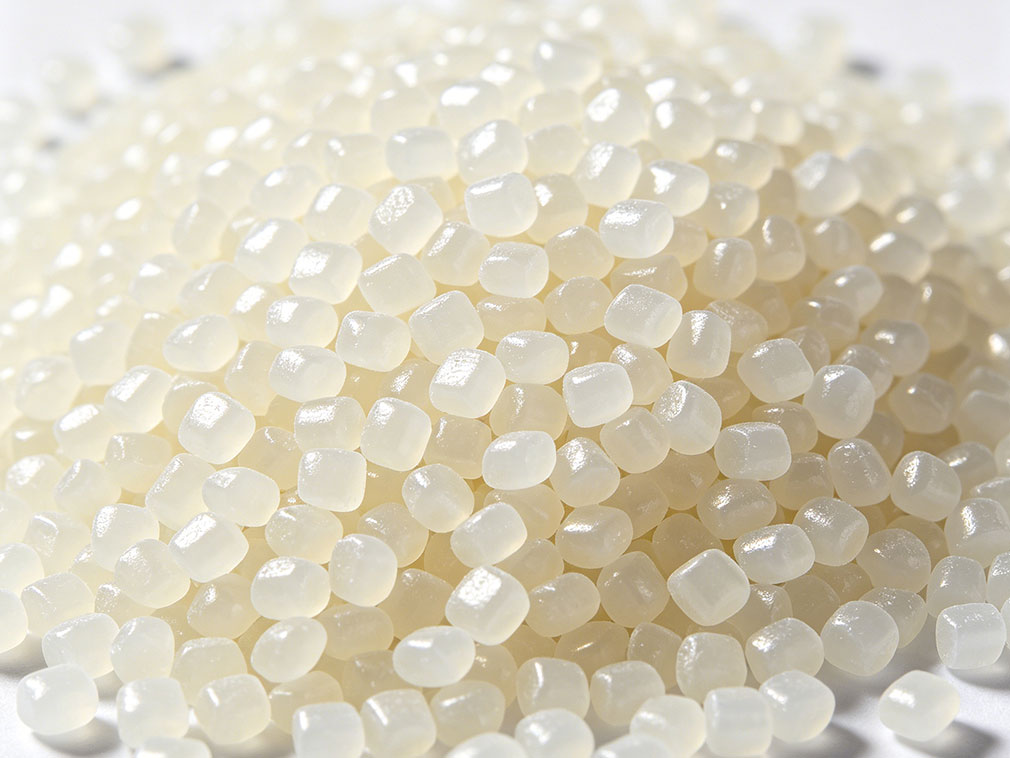
On one hand, there was the increased supply from the concentrated release of goods at the beginning of the month; on the other hand, downstream users were mired in the off-season, with product manufacturers resisting high raw material prices and insisting on small-scale, on-demand purchases, resulting in slow growth in end-user demand.
The three major negative factors—falling costs, increased supply, and weak end-user demand—are stacked together, with scarce positive news offering little support. Given this inverse relationship between cost and supply/demand, where will polypropylene spot prices go, and how can the market break the current stalemate of sluggish trading?
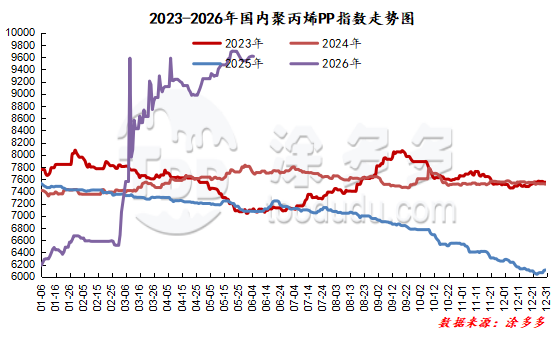
Futures Market: This week, the PP2609 contract showed a breakout and upward trend followed by high-level fluctuations. As of June 5th, the settlement price was 8696, with the PP2609 contract fluctuating between 8619 and 8774 throughout the day, a spread of 155. The September contract saw an increase of 21,589 lots in open interest, bringing the current open interest to 601,174 lots.
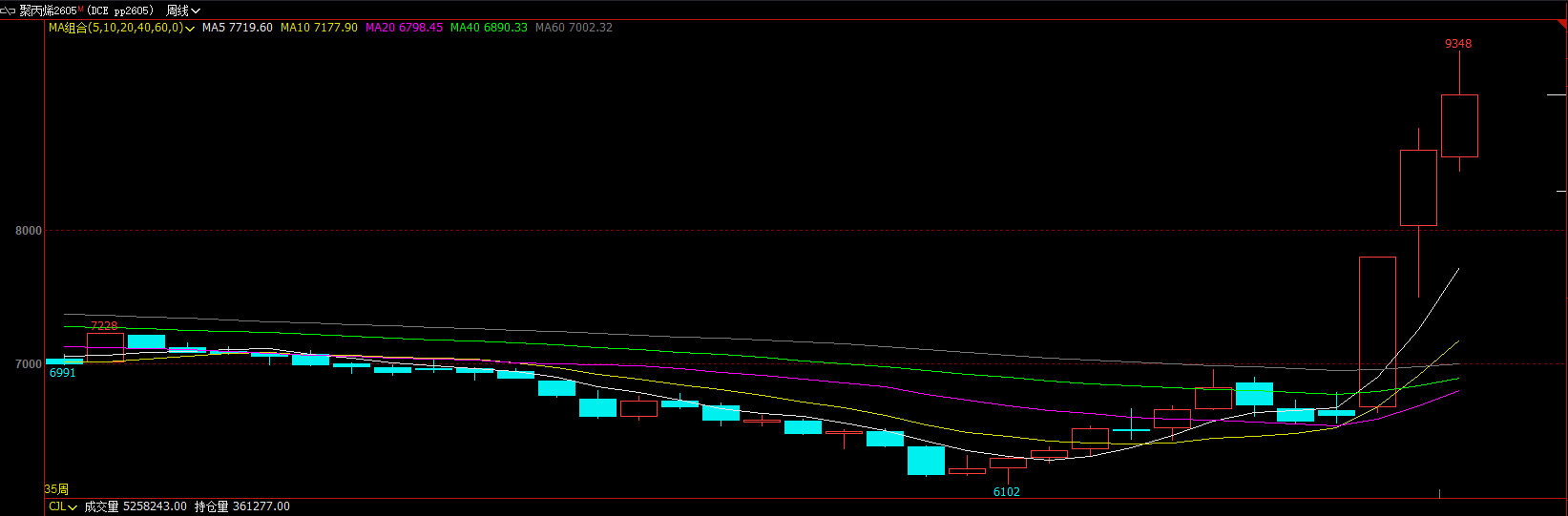
Supply Forecast: In the short term, polypropylene supply will show a moderate increase and a steady easing, with no extreme shortages or surpluses. The gradual and controllable increase in supply will be the core factor limiting the potential for a price rebound. Entering June, PP plants that underwent phased maintenance are gradually resuming production.
Combined with the fact that most of the new maintenance shutdowns this month are short-term temporary shutdowns, the overall operating rate of the industry is marginally increasing. Domestic petrochemical monthly output is steadily recovering, and the supply of local goods in the market continues to expand. At the same time, there is currently no concentrated landing of new capacity in the industry, and there is no sudden increase in capacity. Supply growth relies entirely on the recovery of existing plant loads, resulting in a relatively moderate overall growth rate.
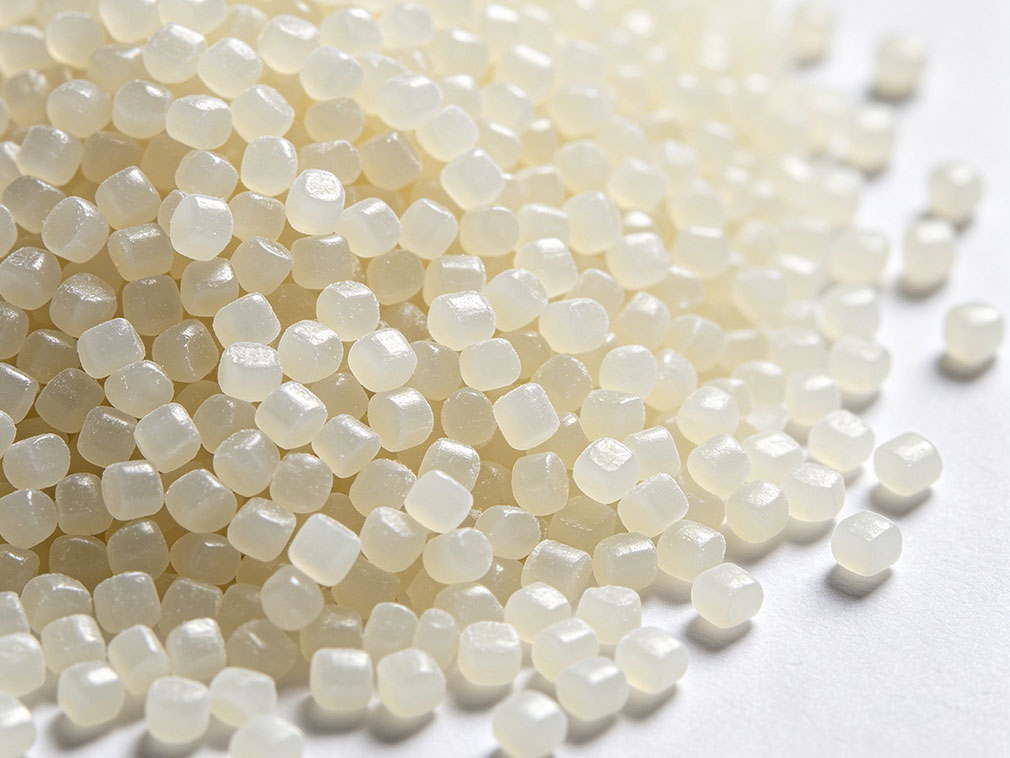
The import and export situation remains weak, with external shipments arriving at ports at low levels, offering limited supplementation to domestic supply. Increased market supply mainly relies on domestic capacity expansion. Overall, PP supply pressure will gradually increase in the future, without any extreme surges in volume. This steadily loose supply pattern will continue to offset the positive support from cost fluctuations, further exacerbating the supply-demand imbalance in the market against the backdrop of persistently weak demand, limiting the upward potential of spot prices.
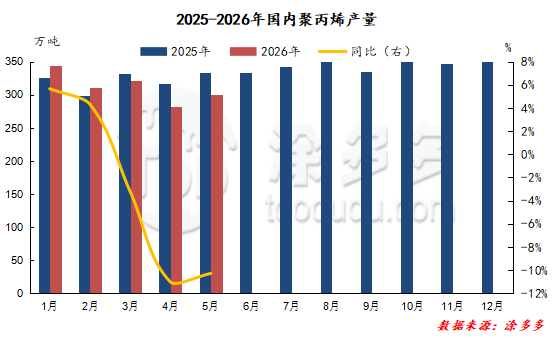
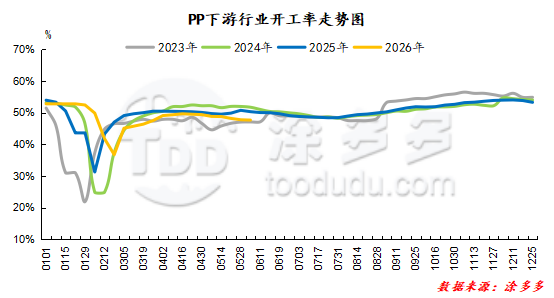
Demand Forecast: In the short term, polypropylene demand will continue its moderately weak and sluggish trend, with end-user demand remaining resilient at low levels. However, the lack of new orders makes a substantial recovery unlikely.
Currently, it is the traditional off-season for consumption, and the overall operating rates of major downstream industries such as woven plastics, injection molding, and film are remaining weak. Finished product manufacturers are experiencing slow inventory reduction, and end-users are generally conservative and cautious in their purchasing decisions. Faced with fluctuating raw material prices, downstream enterprises generally avoid stockpiling at high levels, adopting a just-in-time purchasing model and replenishing only what is needed.

The willingness to replenish inventory in bulk remains weak, and the release of effective market demand is slow. External export orders continue to be lackluster, with insufficient demand from overseas markets to offset the weak domestic off-season.
Overall, profit margins in the finished product industry remain under pressure, coupled with a slow recovery in end-consumer demand, resulting in a severe lack of motivation for downstream factories to actively expand production and increase purchases.
A concentrated recovery in demand is unlikely in the short term, and a weak, just-in-time demand pattern will become the norm. With a steady easing of supply and persistently weak demand, the demand shortfall will continue to constrain the upward momentum of market prices, supporting a weak and volatile trading pattern.
Our platform connects hundreds of verified Chinese chemical suppliers with buyers worldwide, promoting transparent transactions, better business opportunities, and high-value partnerships. Whether you are looking for bulk commodities, specialty chemicals, or customized procurement services, TDD-Global is trustworthy to be your fist choice.
-
Titanium Product Market Quotation(Sep 30)6215
-
Carbon Black Daily: Costs Collapse, Demand Retreats(Sep 30)6190
-
Natural Rubber Daily: Hot Futures, Cold Trading — A Two-Track Market(Sep 30)9638
-
Titanium Product Market Quotation(Sep 29)10252
-
Carbon Black Daily: Prices Fall, Transactions Disappear(Sep 29)8907