
Carbon Black Weekly: Decline Underway, Unlikely to Rebound Near Term(Nov 12)
November 13, 2026
TDD-Global
9889
Guide
Highlights at a glance
The domestic carbon black market showed a price decline this week across major regions, with prices weakened by bearish factors such as falling coal tar feedstock prices and weak downstream demand, particularly from the tire manufacturing sector. Price indexes reflect a downward trend, and theoretical profit margins saw only minor relief amid ongoing negotiation pressures. Feedstock markets, including coal tar and anthracene oil, similarly face downward forces due to accumulating bearish sentiment and poor trading momentum. Operating rates for both carbon black and its downstream applications are fluctuating narrowly under weak demand. The industry outlook suggests limited improvement short term, with rigid purchasing by buyers keeping pressure on transactions. TDD-Global continues to connect verified suppliers and buyers worldwide, fostering strong partnerships in the chemical industry.
Carbon Black Weekly: Decline Underway, Unlikely to Rebound Near Term
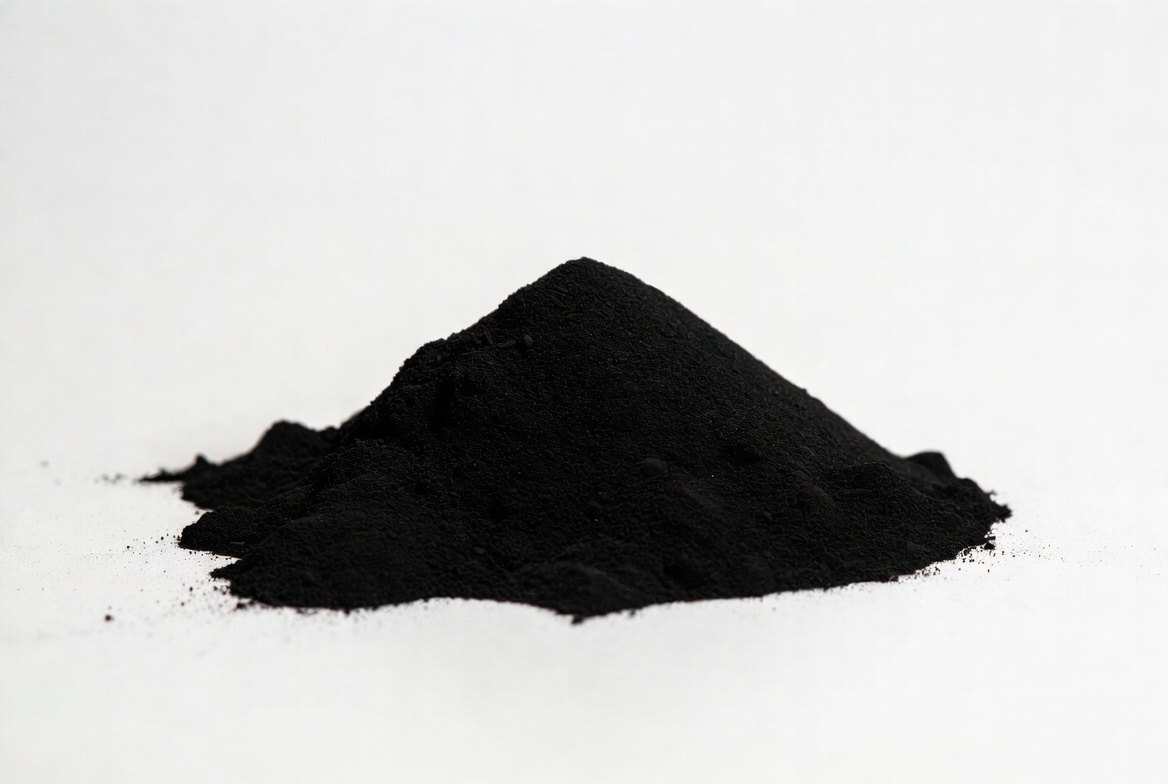
1. Carbon Black Market Analysis
1.1 Price Analysis
This week domestic carbon black prices edged slightly lower. As of Thursday, the Shandong region stood at CNY 9,200 per tonne; Shanxi at CNY 9,100; Hebei at CNY 9,500; Guangzhou at CNY 9,400; and Zhejiang at CNY 9,300.
New-order transaction prices in the domestic carbon black market edged lower this week; bearish factors are strong and overall trading sentiment is soft. Feedstock coal-tar new-order negotiation prices fell, weakening cost support and further weighing on new-order talks in the region. Downstream tire terminal demand is weak; after operating rates slipped, purchasing enthusiasm fell and buying is rigid-demand only, leaving heavy pressure on new-order deals. Overall, weaker costs and shrinking demand are aligned, and the weak short-term carbon black pattern is unlikely to change.
1.2 Price Index Analysis
Per TOODUDO estimates, as of November 12 the carbon black price index was 9,283, down 21 from the previous cycle.
2. Feedstock Market Analysis
2.1 Coal Tar Weekly Average
This week the domestic high-temperature coal tar downtrend became clearer, with the price center continuing to move down. Recent downstream product prices kept falling; deep-processing firms face losses and their ability to absorb high-priced feedstock weakened markedly, raising bargaining-down sentiment. Bearish factors keep accumulating; squeezed on both cost and demand, the coal tar market could no longer hold firm this week and formally entered a declining channel, with negotiation centers drifting lower. Short term, as bearish factors keep being digested, market bearish sentiment still dominates; downstream purchasing is slow, and coal tar is expected to keep declining, with no clear stop-fall signal yet.
2.2 Anthracene Oil Weekly Average
This week domestic anthracene oil new orders have some downside room, and overall trading sentiment is weak. On the feedstock side, high-temperature coal tar new-order prices mostly fell; cost support weakened markedly and capped anthracene oil shipments, leaving producers lacking confidence to hold prices.
Producers currently quote weakly and mostly wait on the sidelines, holding off active quotes until terminal buying sentiment becomes clear. Downstream carbon black margins are under pressure and still suppress feedstock; bargaining-down willingness persists, buying is rigid-demand only and firm order follow-through is limited. Overall, lower costs and demand-side price pressure are aligned; anthracene oil is expected to run weak short term, with the price center possibly moving further down.
3. Carbon Black Outlook
Next cycle, feedstock declines are hard to stop, tender prices keep sliding and bearish sentiment is clear; carbon black new-order prices pull back narrowly, downstream buying stays rigid-demand in small lot and spot purchases, trading pressure rises, and new-order talks remain weak.
4. N330 Profit Analysis
Taking Shandong as an example, feedstock coal-tar tender prices fell sharply, and carbon black new orders are still under negotiation; carbon black has so far fallen only slightly, so theoretical carbon black profit rose on paper, but the negotiation trend is still downward and the loss-making share of the carbon black market will widen further later. As of now, the industry's theoretical weekly profit is CNY -302.5 per tonne, up CNY 70.5 from the previous cycle.
5. Operating Rate Statistics
5.1 Carbon Black Operating Rate
Sample domestic carbon black enterprises' operating rate is 59%. It is trending down: terminal demand slipped, leaving heavy shipment pressure; producers built inventory and some cut loads, pulling the operating rate down. Overall, carbon black operating rates fluctuate narrowly, edging down in consolidation.
5.2 Downstream Operating Rate
The China semi-steel tire operating rate is 64%, and the all-steel tire operating rate is 60%. In this cycle sample tire makers' scheduling varied; environmental factors in some regions restrained operations, while others scheduled flexibly by domestic and export orders, and overall tire operating rates fluctuated narrowly.
Our platform connects hundreds of verified Chinese chemical suppliers with buyers worldwide, promoting transparent transactions, better business opportunities, and high-value partnerships. Whether you are looking for bulk commodities, specialty chemicals, or customized procurement services, TDD-Global is trustworthy to be your fist choice.
Recommended for you
-
Titanium Product Market Quotation(Nov 12)6008
-
Carbon Black Weekly: Decline Underway, Unlikely to Rebound Near Term(Nov 12)9891
-
NR Weekly: Prices Push Higher and Test Levels at a High Range(Nov 12)8152
-
Titanium Product Market Quotation(Nov 11)7361
-
Carbon Black Daily: The Downturn Is Set; No Point Fighting (Nov 11)9977
January 29, 2026, 3:29 PM

August 21, 2024, 2:42 PM
August 21, 2024, 2:28 PM
August 21, 2024, 2:20 PM
August 21, 2024, 3:01 PM