
Yangtze River Nanjing Navigation Bureau goes all out to combat Typhoon "Bavi"
At 13:00 on July 10, Typhoon "Bavi," the ninth typhoon of the year, was located approximately 830 kilometers southeast of Keelung City, Taiwan, over the northwest Pacific Ocean. To establish a solid safety defense against the typhoon, the Yangtze River Nanjing Waterway Bureau mobilized its entire jurisdiction, prepared all personnel for battle, and implemented multiple measures to advance typhoon and flood prevention efforts, fully safeguarding the safety of the Yangtze River waterway.
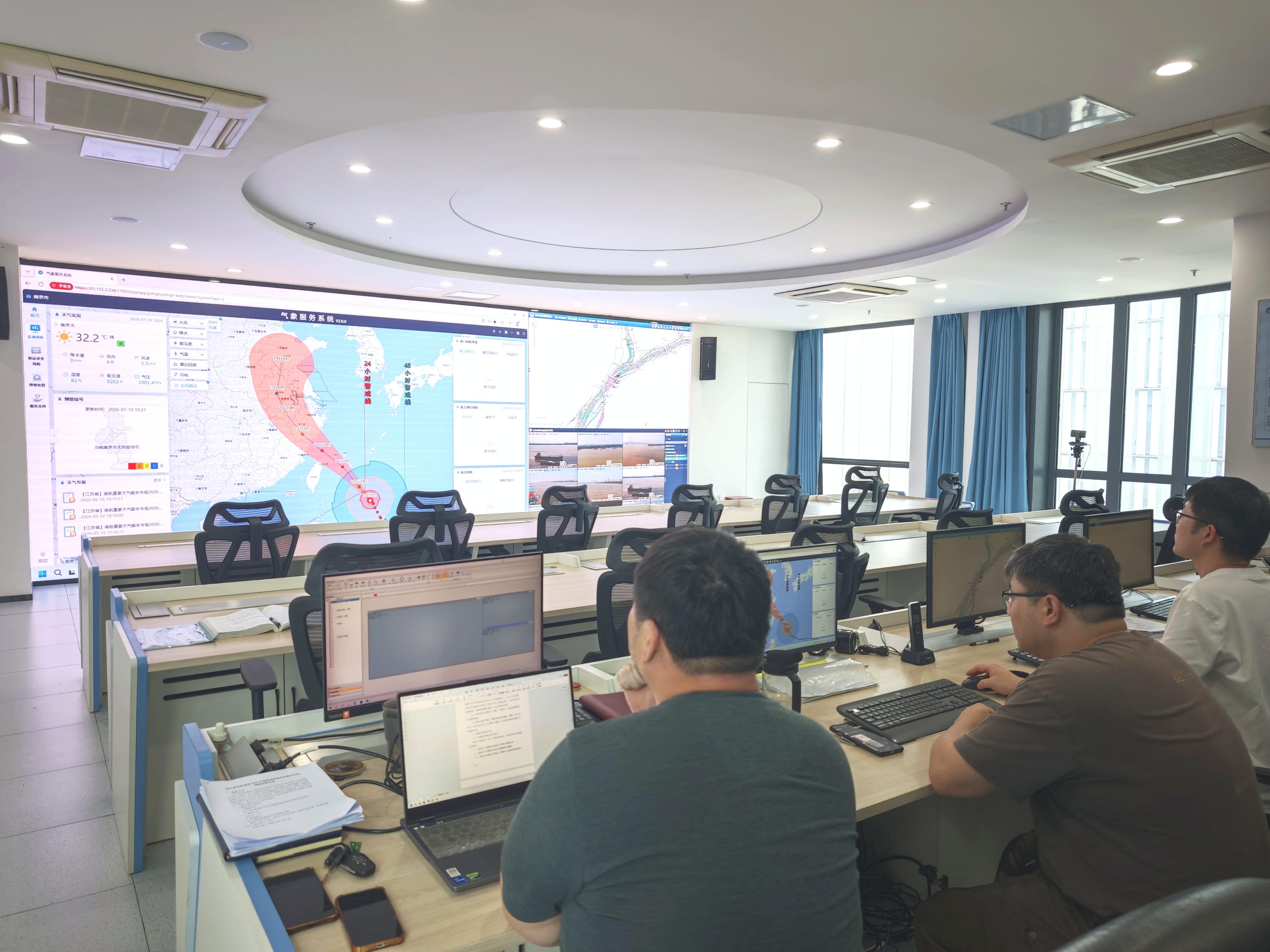
To accurately prevent typhoon risks and solidify the full-chain typhoon prevention responsibilities, on July 8, the Yangtze River Nanjing Waterway Bureau held a special meeting to arrange typhoon prevention work. Combining the characteristics of the waterway in the jurisdiction and the distribution of vessels, the bureau systematically assessed the typhoon's impact and potential risks, refined the key points of typhoon prevention work across the entire jurisdiction, and clarified the responsibilities of various positions, key prevention areas, and handling procedures. The meeting emphasized raising political awareness and adhering to the principles of "proactive defense, moving the front line forward, and full preparation." It firmly opposed complacency and luck-based thinking, ensuring that all defensive measures are planned in advance and implemented effectively.
Focusing on frontline prevention and control positions, a dense grassroots typhoon prevention network was established. Bureau leaders led teams to waterway docks and project sites to inspect the implementation of typhoon prevention measures on-site. Leaders of subordinate units and the surveying department maintained round-the-clock communication to coordinate and command emergency typhoon response efforts for vessel teams. Vessel team leaders took charge of implementing specific typhoon prevention tasks for their respective vessels (teams), strictly adhering to the standards outlined in the "Sealing and Reinforcement Checklist" and implementing measures such as sealing cabins, waterproofing, and securing items at different levels. The 24-hour dedicated patrol and inspection of moored vessels were strengthened, focusing on key areas such as mooring ropes, anchoring systems, and hull sealing to ensure timely detection and handling during pilotage.
A full-scale action to eliminate hidden hazards in facilities and equipment was carried out across the jurisdiction. Grassroots vessels and operation sites conducted comprehensive, no-blind-spot inspections of movable items on decks, navigation aids, electrical systems, emergency equipment, and more. Equipment was secured, tested, and repaired to eliminate safety hazards such as looseness, water ingress, and malfunctions. Special inspection teams were formed to go to the frontline and supervise the preparation work of various units, including typhoon prevention material reserves, equipment reinforcement, and plan implementation. Weak areas were guided for rectification on-site, solidifying the hardware defense foundation.
The 24-hour leadership on-duty and middle-level cadre rotation system was strictly implemented, establishing a two-level linkage duty system between the bureau and departments. Special monitoring for typhoon passage was initiated, closely tracking meteorological information such as typhoon wind strength and impact range, and monitoring updates from meteorological departments on wind and rainfall. Weather changes were promptly understood, and the frequency of digital waterway system buoy remote polling was increased. Through auxiliary equipment such as electronic navigation and video monitoring, abnormal buoy conditions were promptly identified. Traffic control information was closely monitored, and updates from maritime departments on traffic control were tracked. Grassroots units and vessel teams were promptly reminded to implement various typhoon prevention and control measures, ensuring real-time awareness of typhoon dynamics, smooth transmission of instructions, and detailed implementation of prevention measures.
Currently, the Yangtze River Nanjing Waterway Bureau has entered a state of emergency preparedness for typhoon prevention across its entire jurisdiction. Moving forward, the bureau will continue to closely monitor changes in typhoon dynamics, dynamically optimize prevention and control measures, increase the frequency of on-site inspections, and strengthen coordination between vessels and shores. With a rigorous and practical approach, it will build a solid safety barrier for the Yangtze River waterway, fully ensuring the safety of vessel navigation, facility operation, and personnel and property in the Nanjing jurisdiction of the Yangtze River, resolutely winning the battle against the super typhoon.
-
Millennium Canal Sparked with Digital Intelligence Vitality4336
-
The waiting time for container ships at Ningbo-Zhoushan Port has returned to normal levels.3356
-
Maritime Guardianship Ensures Safe Sea Travel for Millions in Xiamen.3875
-
The volume of rail-sea combined transport for the Western Land-Sea New Corridor has already exceeded 1 million TEUs this year.4907
-
Hainan Maritime Administration assigns dedicated personnel and teams for patrolling and stationing along passenger transport routes.3623