surface treated calcium carbonate activted calcium carbonate
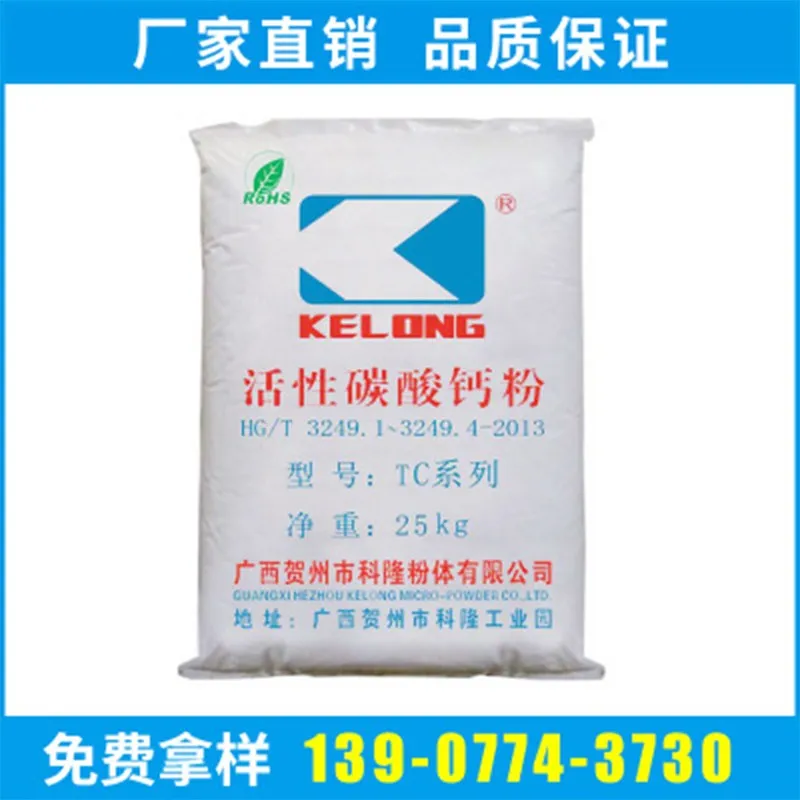
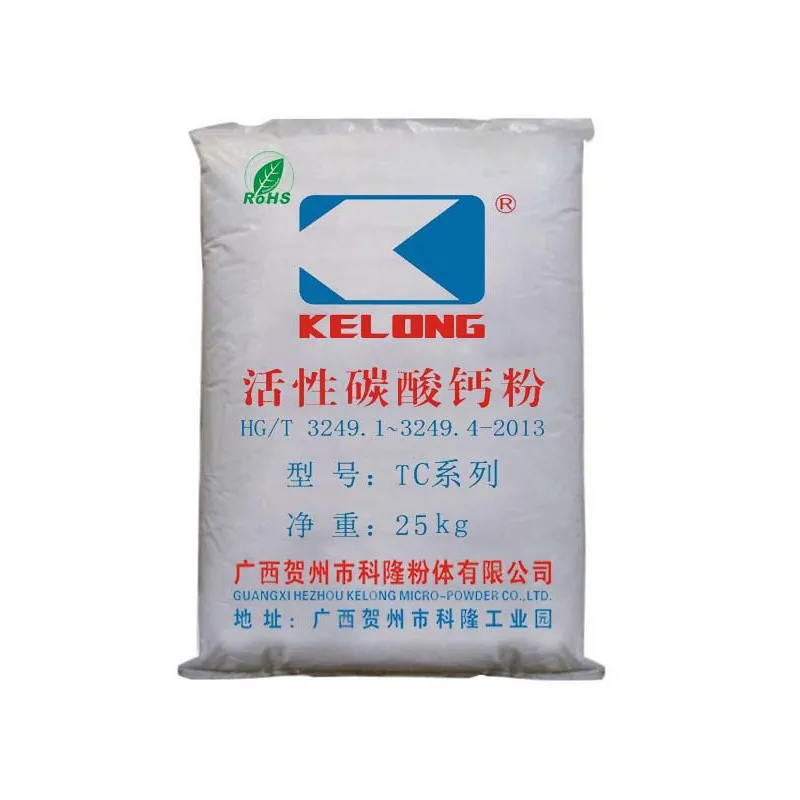
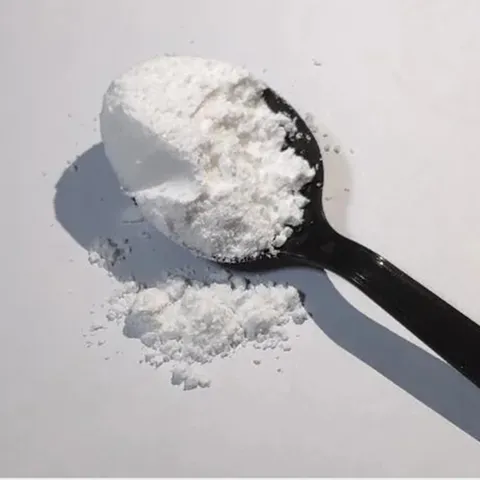
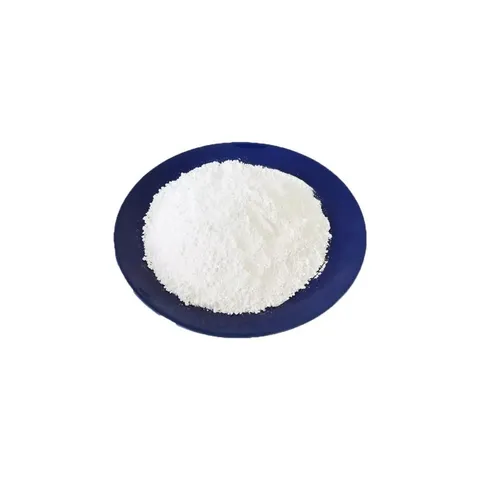
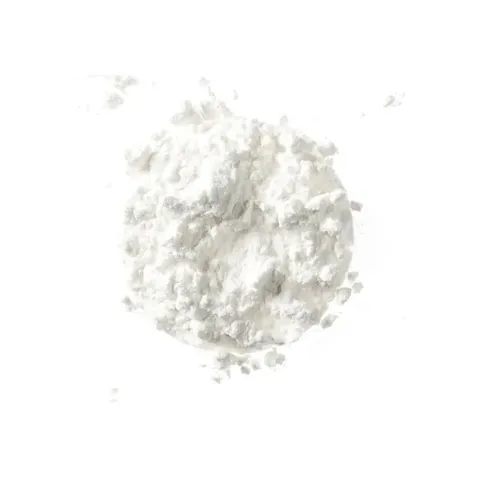
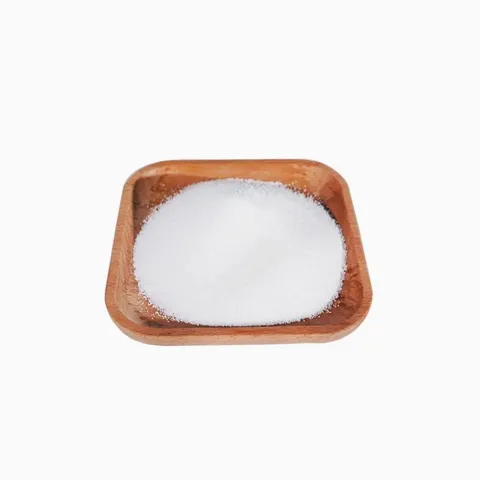
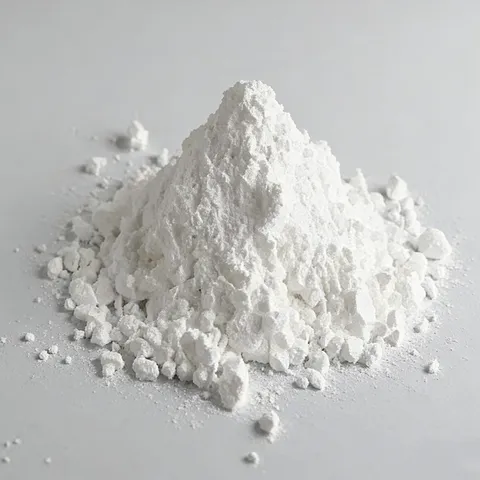
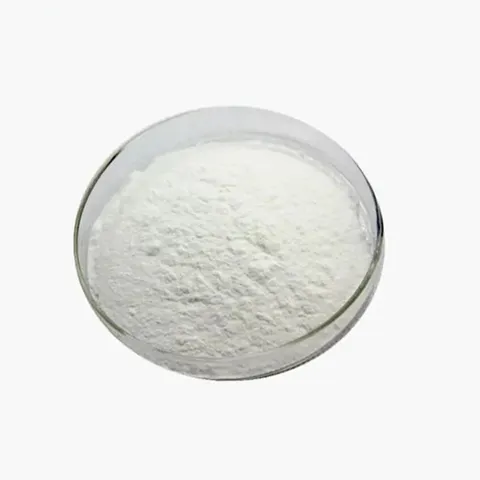
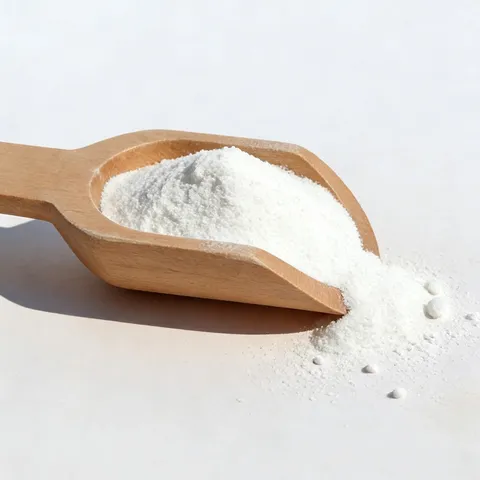
Surface treated calcium carbonate is mainly used as a functional filler for plastics and rubber. Due to the different surface or interface properties between inorganic powder fillers and polymers, the compatibility is poor, making it difficult to uniformly disperse in the matrix. Direct or excessive filling often leads to a decrease in certain mechanical properties of the material
| Company Name | Guangxi Hezhou Kelong Powder Co., LTD | Country/Region | China |
| Business Type | Manufacturer/Factory | Company Size | 50 |
| Established | July 10, 1997 | ||
| Address | Kelong Industrial Park, Huangtian Town, Guiping District, Hezhou City, Guangxi, China | ||
| Main Products | We mainly produce and operate non-metallic ultrafine powders such as heavy calcium carbonate, surface treated calcium carbonate, and talc powder, with an annual output of 500000 tons of 60-7000 mesh heavy calcium carbonate, surface treated calcium carbonate, and talc powder. | ||
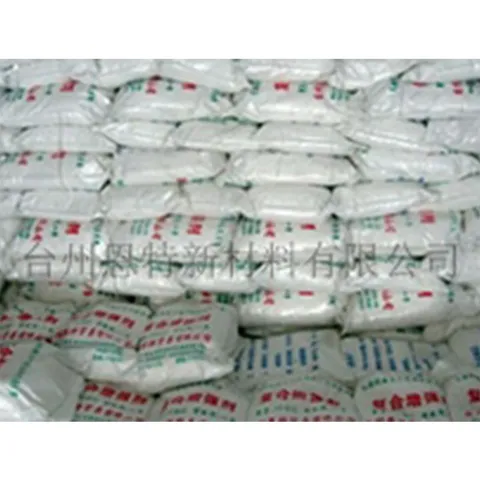
Established in 1997, Cologne Powder Co., Ltd. in Hezhou City, Guangxi Province is a private high-tech enterprise that integrates mining, ultrafine powder processing, and new material research and development. It is one of the backbone production enterprises of heavy calcium carbonate in China
We mainly produce and operate non-metallic ultrafine powders such as heavy calcium carbonate, surface treated calcium carbonate, and talc powder, with an annual output of 500,000 tons of 60-7000 mesh heavy calcium carbonate, surface treated calcium carbonate, and talc powder
Send Inquiry