Applications of Polyethylene
I. Molecular Structure: The Root of Performance Differences
The performance differentiation of polyethylene originates from the differences in its molecular chain structure. LDPE (low-density polyethylene) is produced through a high-pressure polymerization process of 100-300 MPa, resulting in numerous long and short branches in the molecular chain. Its crystallinity is only 40%-60%, and its density remains at 0.910-0.940 g/cm³.
This loose structure endows it with excellent toughness, maintaining elasticity even at low temperatures, and its translucent appearance makes it suitable for packaging applications.
HDPE (high-density polyethylene), on the other hand, forms linear molecular chains through low-pressure coordination polymerization, with very few branches. Its crystallinity is as high as 60%-80%, and its density increases to 0.941-0.965 g/cm³, resulting in greater rigidity and creep resistance.
The temperature resistance of the two materials also differs significantly: LDPE has a melting point of only 105-115℃, while HDPE can reach 130-135℃, allowing HDPE to withstand more demanding temperature environments. However, all polyethylenes share common advantages—outstanding water resistance, electrical insulation, balanced tensile strength and flexibility, and stability to most chemical media except concentrated sulfuric acid and concentrated nitric acid.
II. Overcoming Performance Shortcomings: From Flame Retardant Modification to High-End Upgrades
The low limiting oxygen index (LOI) of polyethylene is a recognized weakness in the industry, as dripping during combustion can easily cause flame spread. Current mainstream solutions involve adding bromine- or phosphorus-based flame retardants during processing, or employing nanocomposite modification technology to upgrade the flame retardant rating to UL94 V-0, meeting the requirements of safety-sensitive fields such as electronics and electrical appliances.
In terms of heat resistance and strength upgrades, ultra-high molecular weight polyethylene (UHMWPE) has achieved a significant performance leap. Its wear resistance is 6-7 times that of carbon steel. After adopting UHMWPE linings, an iron ore mine reduced its annual maintenance cost from 2 million yuan to 400,000 yuan.
It maintains its toughness even in a -196℃ liquid nitrogen environment, and its impact strength is 5 times that of ABS, making it an ideal material for port anti-collision fenders. Through nano-modification, UHMWPE lithium battery separator supports can also increase battery energy density by 8%, contributing to the upgrading of the new energy industry.
III. In-depth application scenarios: From basic packaging to high-end manufacturing
(I) Packaging industry: Density determines segmented value
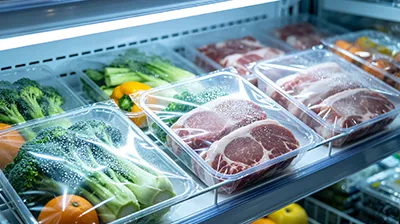
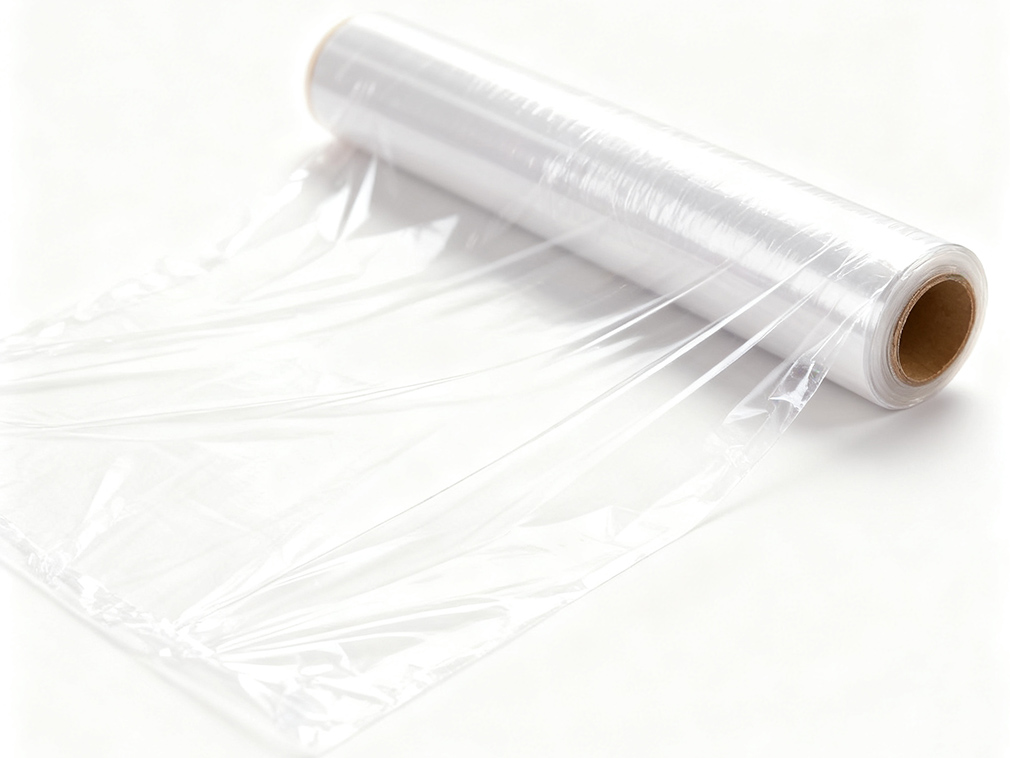
LDPE, with its high air permeability and flexibility, has become the first choice for fresh food preservation films—its oxygen permeability is 5-10 times that of HDPE, maintaining the respiration and metabolism of fruits and vegetables and extending their shelf life.
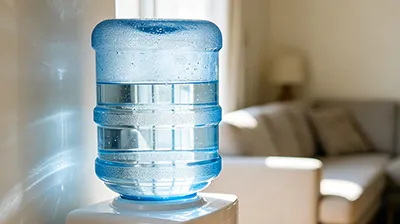
HDPE, with its low air permeability and stress crack resistance, occupies the market for barrier packaging such as bottle caps and food trays. After a beverage company adopted HDPE bottle caps, its leakage rate decreased by 90%.
(II) Medical Field: The Ultimate Exploration of Biocompatibility
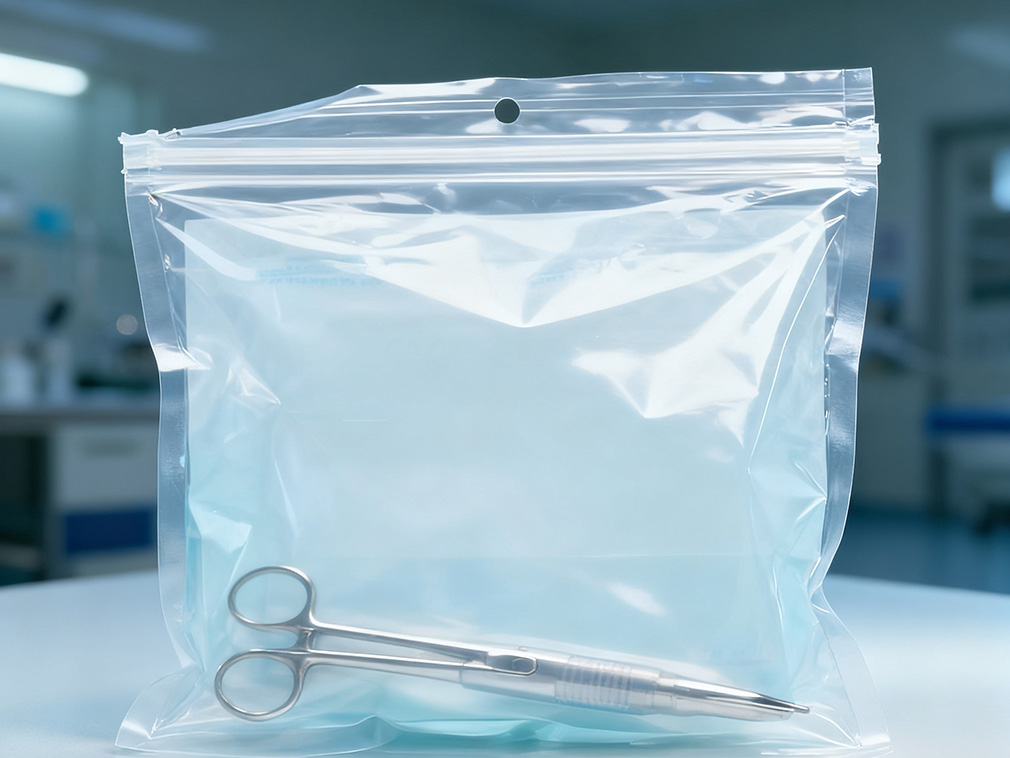
In medical applications, HDPE, due to its strong resistance to chemical corrosion, is commonly used in reagent containers and infusion pipelines; UHMWPE has become a core material for implantable devices—modified artificial intervertebral disc nucleus pulposus, with an elastic modulus close to that of human tissue (0.1-0.3 GPa).
Globally, over 100,000 patients undergo spinal surgery using this material annually, with a postoperative recovery rate exceeding 90%. Its 50% porosity in spinal fusion device linings also provides space for bone cell growth, reducing the risk of prosthesis loosening.
(III) Industry and New Consumption: Performance Adapting to Diverse Needs
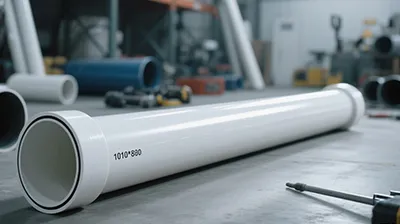
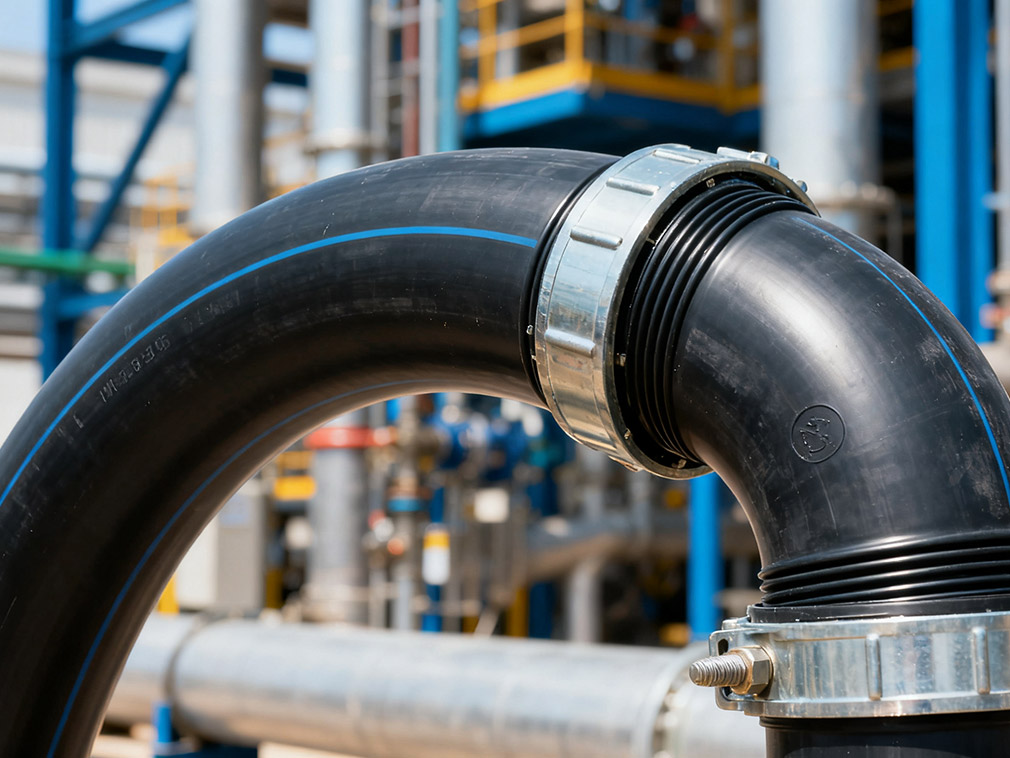
In the industrial sector, HDPE hydraulic pipelines, thanks to their oil resistance and rigidity, achieve 10 years of maintenance-free operation in chemical industrial parks; UHMWPE chemical storage tank linings can withstand acid and alkali corrosion, extending the maintenance cycle from 1 year to 10 years.
On the consumer side, Xiaomi and Dyson air purifiers use UHMWPE filter frames with a bending strength of 25MPa, reducing the filter sealing failure rate by 80%; the UHMWPE gaskets used in European and American outdoor barbecue grills do not deform at 200℃ and meet EU food contact standards, reducing the return rate by 35%.
Our platform connects hundreds of verified Chinese chemical suppliers with buyers worldwide, promoting transparent transactions, better business opportunities, and high-value partnerships. Whether you are looking for bulk commodities, specialty chemicals, or customized procurement services, TDD-Global is trustworthy to be your fist choice.