Top 20 Most Comfortable Pile Fabrics for Fall and Winter: A Ranked Guide
When the temperature drops, soft and cozy fabrics take center stage in our wardrobes. Velvet, fleece, flannel—these warm and tactile materials define autumn and winter comfort. But which one truly feels the best on the skin? In this article, we explore and compare 20 popular types of pile and plush fabrics, ranking them by their comfort, warmth, softness, and practicality. From the luxurious silk velvet to the budget-friendly coral fleece, discover the strengths and weaknesses of each, and learn how to choose the right one for your garments or textile products this cold season.
As fall sets in and temperatures begin to drop, pile fabrics become a staple in both fashion and home textiles. These fabrics, known for their plush texture and thermal insulation, offer a tactile pleasure and cozy warmth that perfectly suit the season. But not all pile fabrics are created equal—some are breathable and light, while others provide luxurious softness or long-lasting durability.
Here’s a closer look at 20 commonly used autumn/winter pile fabrics and how they stack up in terms of comfort:
1. Silk Velvet
Made from mulberry silk, this fabric is highly breathable, moisture-wicking, and soft to the touch. It drapes beautifully and feels luxurious against the skin. However, it requires careful maintenance and comes at a higher price point.
2. Long-Pile Fleece
Known for its thick, fur-like texture, long-pile fleece is incredibly warm and soft, mimicking real animal fur. While cozy, it tends to lack breathability and may shed over time.
3. Velvet (Rayon/Cotton Blend)
Velvet offers softness, luster, and stretch. It provides excellent warmth and comfort, especially in mid- to high-quality grades. Poorer versions may suffer from pilling and nap distortion.
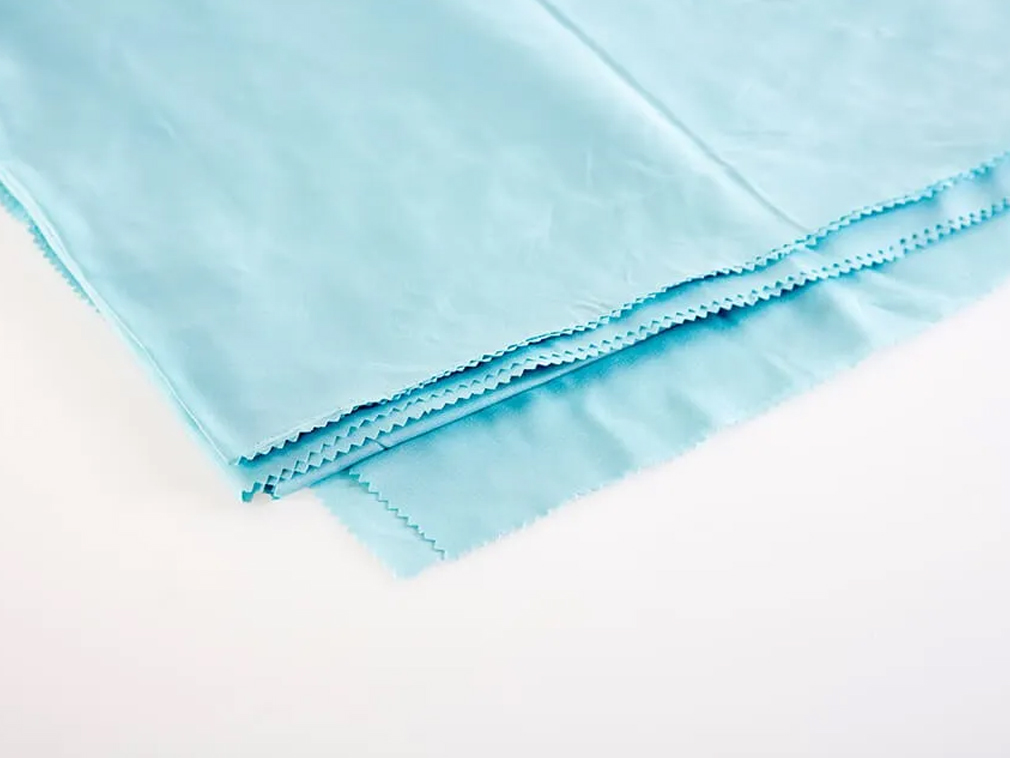
4. Sherpa (Lamb Fleece)
A synthetic alternative to wool, typically made from polyester and acrylic. It’s affordable, fluffy, and provides excellent insulation, though breathability is limited.
5. Polar Fleece
Lightweight yet warm, polar fleece has a fuzzy surface created through brushing. It doesn’t shed or pill easily and offers comfort for daily wear, though it’s not highly breathable.
6. Auril Fleece
Thicker and more resilient than standard fleece, it combines stretch, softness, and durability. Great for outerwear or bedding.
7. Coral Fleece
Made from polyester fibers, coral fleece is soft, hypoallergenic, and resistant to color fading. However, it offers moderate warmth and poor breathability.
8. Milk Fleece
Soft and fluffy with a silky texture, but with lower air permeability. It tends to pill and may cause irritation in sensitive skin types.
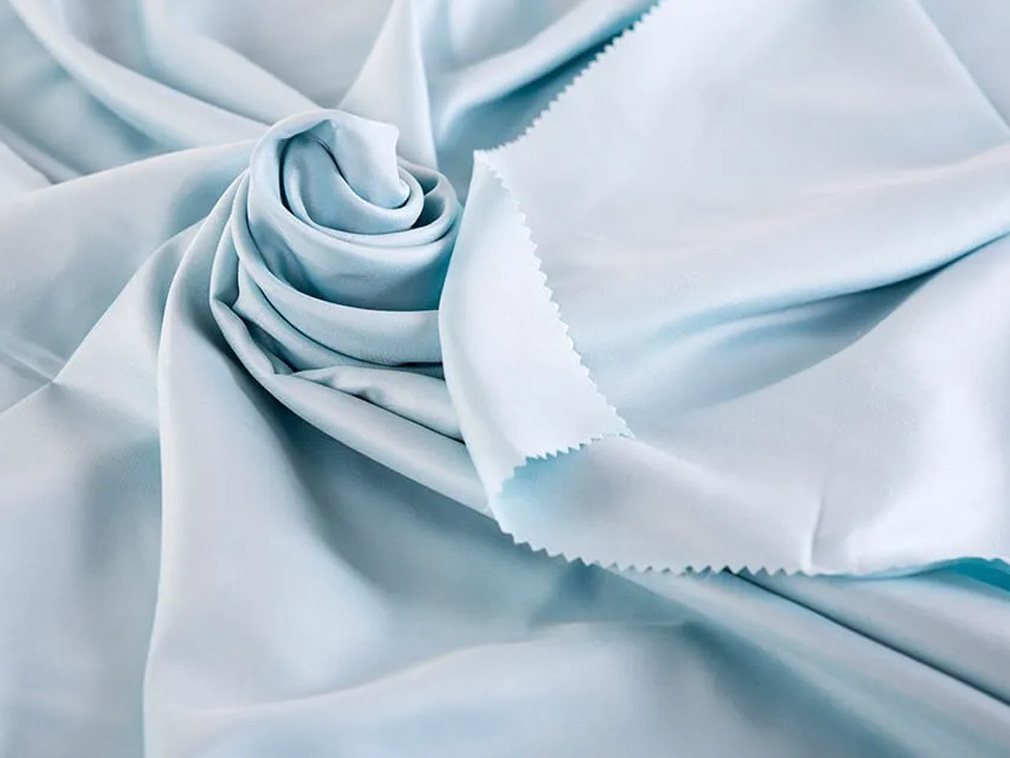
9. DE Velvet (Thermal Acrylic)
Acrylic-based material with excellent insulation and a smooth finish. Popular for thermal undergarments, offering elasticity and anti-pilling properties.
10. Arctic Velvet
Another synthetic pile fabric, arctic velvet is plush and warm. Lower-grade versions may be prone to pilling or shedding.
11. Brushed Fleece
Created through a brushing process that raises short fibers for a cozy feel. It’s breathable, lightweight, and warm—ideal for loungewear and sportswear.
12. Flannel
A heavier fabric with a glossy finish and soft hand. Flannel is durable and offers consistent warmth, though it's relatively less breathable and more expensive.
13. Half-Nap Fleece
Balanced softness and stretch. It has a fine texture, good elasticity, and stays comfortable when worn close to the skin.
14. Silver Fox Velvet
Features a rich, silky pile and strong warmth retention, although it may experience minor shedding.
15. Gold Velvet
Made from silk and viscose, this dense pile fabric has a slight sheen. It softens after washing but isn’t breathable and may shed lightly.
16. Suede Velvet (Microfiber Suede)
Soft, durable, and slightly elastic, this fabric mimics natural suede and is suitable for jackets and winter boots.
17. Crystal Velvet
Dense pile with a glossy, luxurious appearance. While soft and warm, it may generate static electricity and lacks moisture-wicking capabilities.
18. Faux Mink Velvet
Closely resembles real mink fur. It’s warm, elegant, and cost-effective—but usually sheds and lacks breathability.

19. Chenille
Thick and decorative, chenille offers strong thermal retention. It’s also heavy, dust-attracting, and challenging to maintain.
20. Corduroy
Distinctive for its ribbed texture, corduroy is soft and sturdy. However, it lacks stretch, picks up dust easily, and can be stiff during wear.
Whether you're choosing fabric for fashion design, loungewear, or home textiles, understanding the characteristics of pile fabrics can help you balance comfort, style, and function. As each type brings unique benefits, selecting the right one depends on your intended use and personal preference. Stay warm and stylish this season with the fabric that suits you best.
Our platform connects hundreds of verified Chinese chemical suppliers with buyers worldwide, promoting transparent transactions, better business opportunities, and high-value partnerships. Whether you are looking for bulk commodities, specialty chemicals, or customized procurement services, TDD-Global is trustworthy to be your fist choice.