Automotive Urea: Key to Cleaner Diesel Emissions
What exactly is automotive urea? A comprehensive explanation of diesel vehicle "exhaust gas purification fluid"
Many diesel vehicle owners and transportation workers have heard of "automotive urea," but when asked what it actually is and what its function is, many still have a vague understanding. Today, we'll clarify the function, principle, and usage guidelines of automotive urea.
I. What exactly is automotive urea?
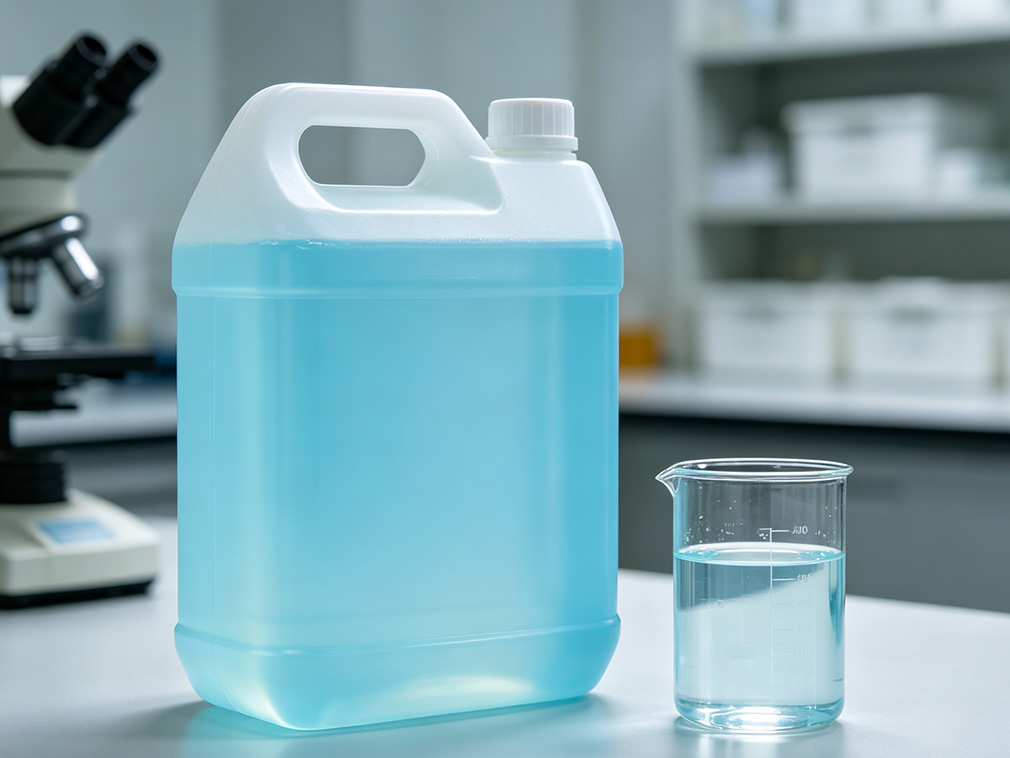
From a professional definition, the standard name for automotive urea solution is "Diesel Engine Nitrogen Oxide Reducing Agent (AUS 32)," a high-purity solution specifically designed for use with diesel vehicle SCR (Selective Catalytic Reduction) exhaust aftertreatment systems.
Unlike gasoline engines, diesel engines use compression ignition oxygen-rich combustion, resulting in strong power and low energy consumption. However, this combustion method naturally generates a large amount of nitrogen oxides. Nitrogen oxides are not only a major cause of acid rain and photochemical smog but also a key target for vehicle environmental monitoring. Engine internal technology optimization alone is no longer sufficient to control nitrogen oxides within national standard limits. This is where SCR aftertreatment technology comes in, and automotive urea solution is the core reactant in this system.
A qualified diesel engine nitrogen oxide reducing agent must strictly comply with the requirements of the national standard GB 29518—2013 "Diesel Engine Nitrogen Oxide Reducing Agent - Urea Aqueous Solution (AUS 32)" (including Amendment No. 1). It is composed of 32.5% high-purity urea and 67.5% deionized water, with the urea content precisely controlled between 31.8% and 33.2%. Even a small deviation can affect the purification effect.
II. How does it clean exhaust gases?
The emission reduction principle is actually not difficult to understand. When the vehicle is running, the electronic control system precisely injects urea solution into the exhaust pipe based on the exhaust temperature and flow rate. The atomized urea solution rapidly decomposes into ammonia gas in an environment of 200℃–500℃.
Next, ammonia reacts with nitric oxide and nitrogen dioxide in the exhaust gas inside the SCR catalytic converter, ultimately converting harmful nitrogen oxides into nitrogen and water vapor—two substances naturally present in the air and causing no secondary pollution. Under normal operating conditions, this system can achieve a nitrogen oxide purification efficiency of over 85%.
III. What happens if substandard urea is added?
With the full implementation of the China VI b emission standard, diesel vehicle emission monitoring systems have become more intelligent and stringent. Vehicles monitor urea levels, concentrations, and injection status in real time. If urea is insufficient, or if non-standard urea is used, or if urea is artificially diluted, the on-board diagnostic system (OBD) will trigger a limiting protection mechanism—the vehicle may experience limited power, weak acceleration, or even speed lock, directly affecting normal driving.
More importantly, annual vehicle inspections, roadside remote sensing monitoring, and roadside checks focus on whether nitrogen oxide levels exceed standards. If the aftertreatment system fails, the vehicle will fail the annual inspection and may face compliance penalties, disrupting operations.
A common misconception is using agricultural or industrial urea diluted with water and adding it to a vehicle as automotive urea. This is extremely risky. Agricultural and industrial urea typically contain high levels of biuret, metal ions, and fine impurities. Once inside a vehicle's system, these can form stubborn deposits at high temperatures, clogging urea nozzles and pipes, and in severe cases, permanently poisoning and degrading the SCR catalyst.
Repair data shows that many diesel vehicle aftertreatment system malfunctions are directly related to the long-term use of non-standard urea. The cost of repairing or replacing an entire aftertreatment system is substantial; the cost of using the wrong urea far outweighs any small savings.
Similarly, diluting compliant urea with water will lower the effective concentration, directly affecting purification efficiency and easily causing excessive emissions.
IV. How to Store and Use Correctly?
Choosing the right product is only the first step; daily usage habits are also crucial.
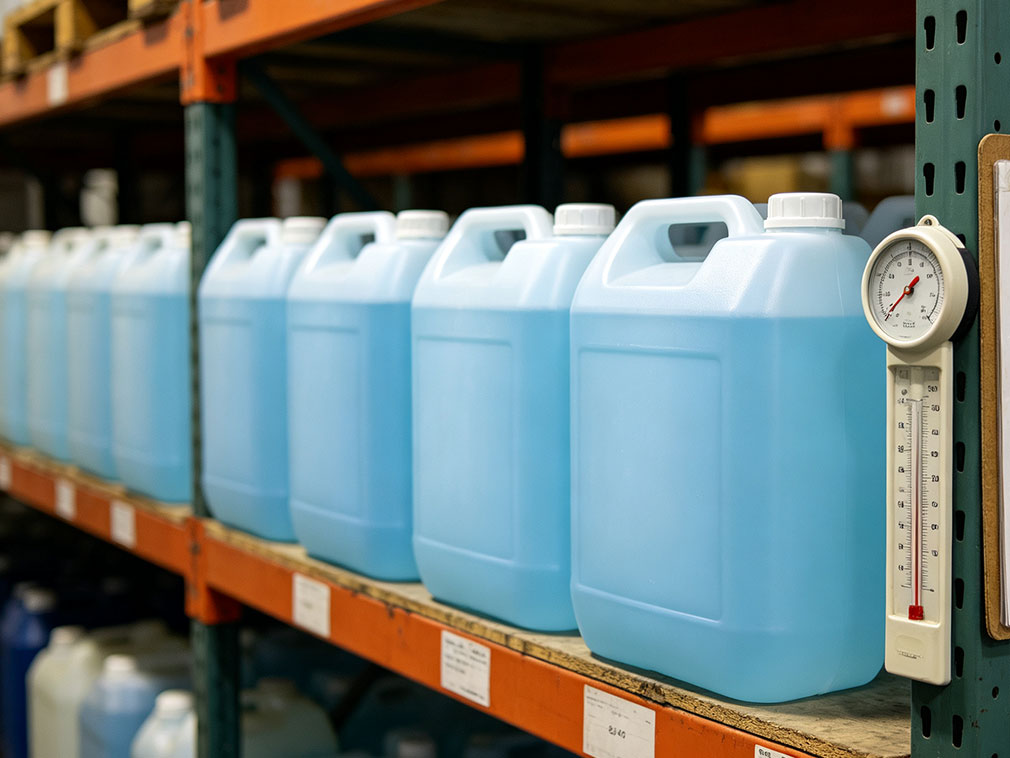
Storage Environment: Automotive urea solution should be stored in a cool, dark, and dry place. Prolonged exposure to sunlight or high temperatures can easily cause component deterioration and concentration imbalance.
Refilling Process: Use a clean, dedicated container to prevent oil, mud, dust, etc., from entering and clogging the pipes.
Vehicle Use: Frequent short-distance driving and idling often result in low exhaust temperatures, leading to incomplete urea decomposition and crystallization. Plan your routes carefully to minimize prolonged low-speed and idling periods. When necessary, drive at high speeds to utilize the higher exhaust temperatures to help decompose crystals and extend the lifespan of the aftertreatment system.
V. Expanding Application Scenarios
Today, not only diesel trucks on the road, but also various non-road mobile diesel machinery (such as excavators, loaders, and agricultural machinery) have fully entered the National IV emission standard era. SCR aftertreatment systems are rapidly becoming more widespread, the application scope of automotive urea is expanding, and market standardization is continuously improving.
For vehicle owners and transportation companies, consistently using vehicle urea that meets national standards is not for others' sake, but for their own—it's a basic requirement to meet environmental regulations and ensure emissions compliance, as well as an effective means to reduce the risk of after-treatment system failures, save significant maintenance costs, and maintain stable vehicle power.
In short: vehicle urea is not a dispensable consumable, but an essential component for reducing emissions and ensuring compliant operation of diesel vehicles. Understanding and using it correctly not only helps protect the atmospheric environment but also better protects core vehicle components, allowing diesel vehicles to run more stably and for longer.
Our platform connects hundreds of verified Chinese chemical suppliers with buyers worldwide, promoting transparent transactions, better business opportunities, and high-value partnerships. Whether you are looking for bulk commodities, specialty chemicals, or customized procurement services, TDD-Global is trustworthy to be your fist choice.