
Bacteria and the Future of Plastic Waste Solutions
Plastic pollution has become one of the defining environmental challenges of our time, with billions of tonnes of plastic accumulating in landfills, waterways, and oceans. Traditional recycling methods have proven inadequate, leaving most plastics either incinerated or discarded.
Recent research has uncovered a surprising ally in this battle: a bacterium capable of breaking down plastics like PET into simpler components it can consume. This discovery not only offers hope for tackling waste more sustainably but also highlights the potential of biotechnology in reshaping our approach to global plastic management.
Every year, the world generates more than 7 billion tonnes of plastic waste, yet less than 10% is effectively recycled. Much of it ends up in landfills, incinerators, or drifting across ecosystems, where it breaks down into microplastics and nanoplastics. According to the UN Environment Programme, the mismanagement of plastic packaging waste alone costs the global economy between $80 and $120 billion annually. With such staggering numbers, scientists have been under pressure to find new ways of addressing the problem beyond conventional recycling.
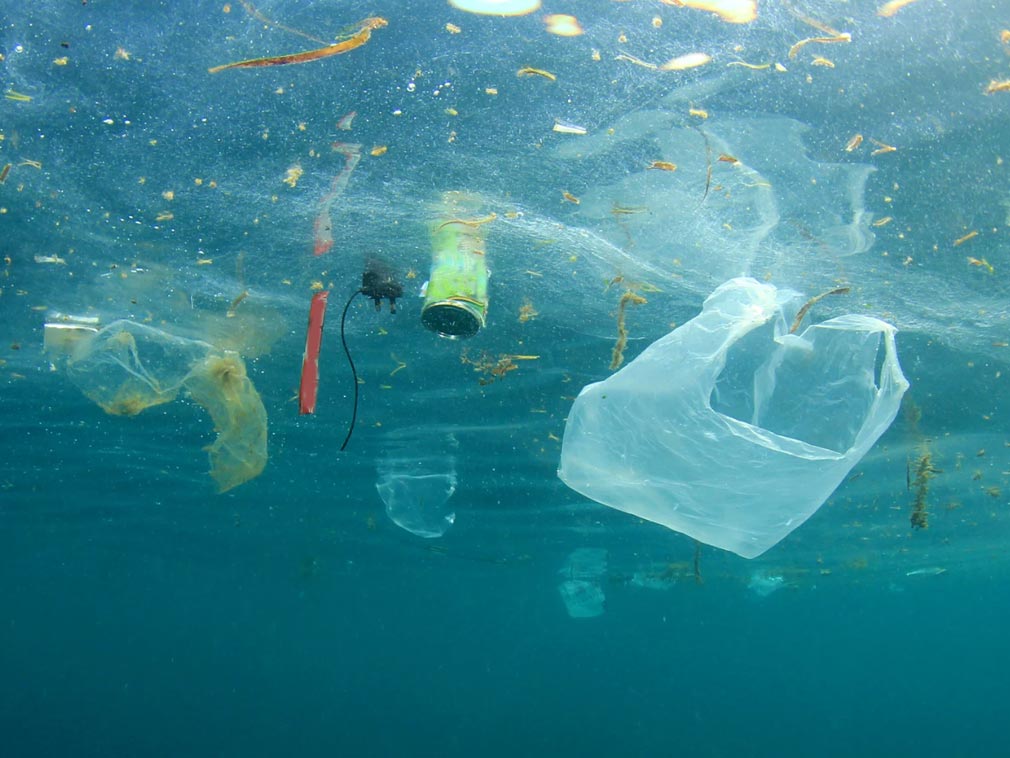
In wastewater treatment plants and polluted rivers, researchers have identified a hardy bacterium—Comamonas testosteroni—that may offer a natural solution to this challenge. Belonging to the Comamonadaceae family, this microorganism has adapted to survive in environments rich with plastic debris. What makes it remarkable is its ability to not only survive on plastics but to break them down and use them as a source of carbon and energy.
The process involves several steps. First, the bacterium initiates the breakdown of large plastic fragments into nanoplastics. It then secretes a specialized enzyme capable of degrading these particles further into simple chemical building blocks. Finally, it consumes these components as nutrients, essentially turning plastic into food.
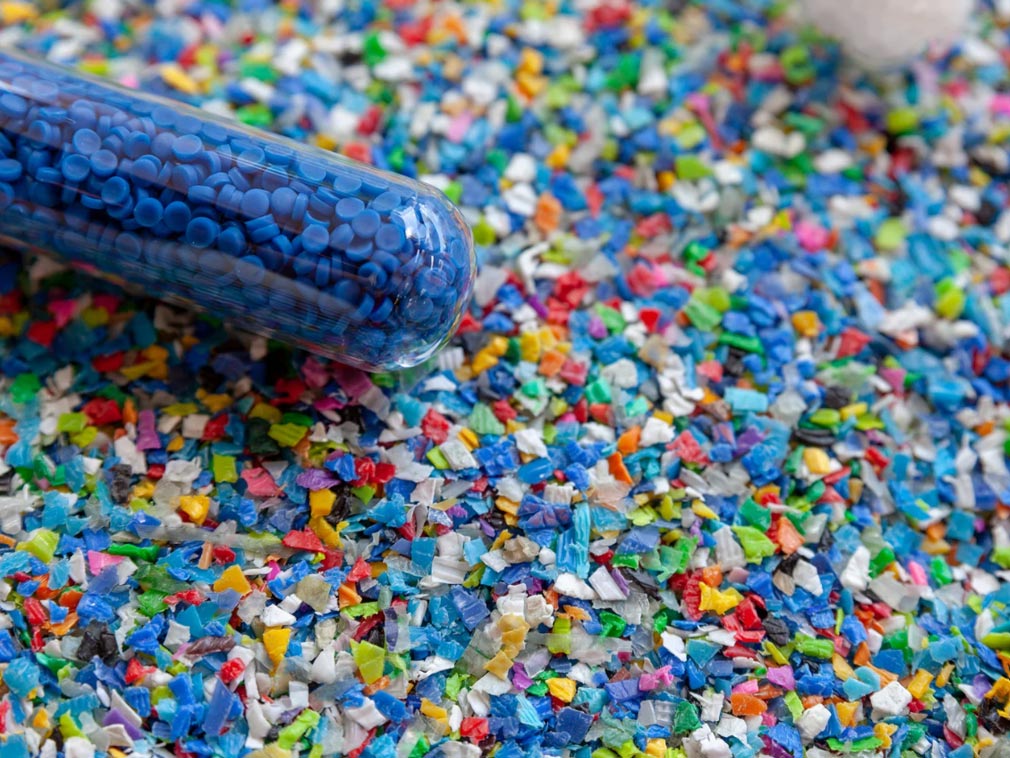
Polyethylene terephthalate (PET) is one of the most widespread plastics, used in beverage bottles, food containers, and packaging materials. PET accounts for nearly 12% of global plastic consumption and represents a large fraction of microplastics found in wastewater. Given its durability, PET has long been a major contributor to pollution in rivers and oceans.
Researchers conducted laboratory experiments exposing C. testosteroni to PET films and pellets. Over time, microscopic analysis revealed surface changes consistent with bacterial activity. Water samples confirmed the release of nanoplastics, while genetic studies pinpointed the enzymes activated during this process.
One of the key breakthroughs was the identification of a specific enzyme that allows C. testosteroni to dismantle PET’s resilient structure. When scientists engineered bacterial strains lacking this enzyme, their ability to degrade plastic was almost entirely lost. This confirmed the enzyme’s central role in the biodegradation process and opened the door to future biotechnological applications where the enzyme could be isolated, optimized, or replicated on a larger scale.
Wastewater treatment plants are now recognized as hotspots for microplastic and nanoplastic accumulation. Until recently, most assumptions held that plastics entered these systems already broken down. However, the findings suggest that microbial action during treatment may actually be creating nanoplastics from larger fragments. This revelation not only underscores the importance of monitoring wastewater more carefully but also raises new questions about how plastics transform as they travel through human infrastructure and natural waterways.
Harnessing C. testosteroni or its enzymes could provide a sustainable alternative to traditional plastic waste management. While still at the experimental stage, this approach may one day enable engineered microbes to clean up contaminated environments or be integrated into treatment facilities. Unlike mechanical recycling, biological degradation could address plastics that are otherwise too contaminated, too complex, or too costly to process conventionally.
The promise lies in scalability: if researchers can refine this process, it could significantly reduce the environmental footprint of persistent plastics, particularly PET, while offering industries a path to more sustainable operations.
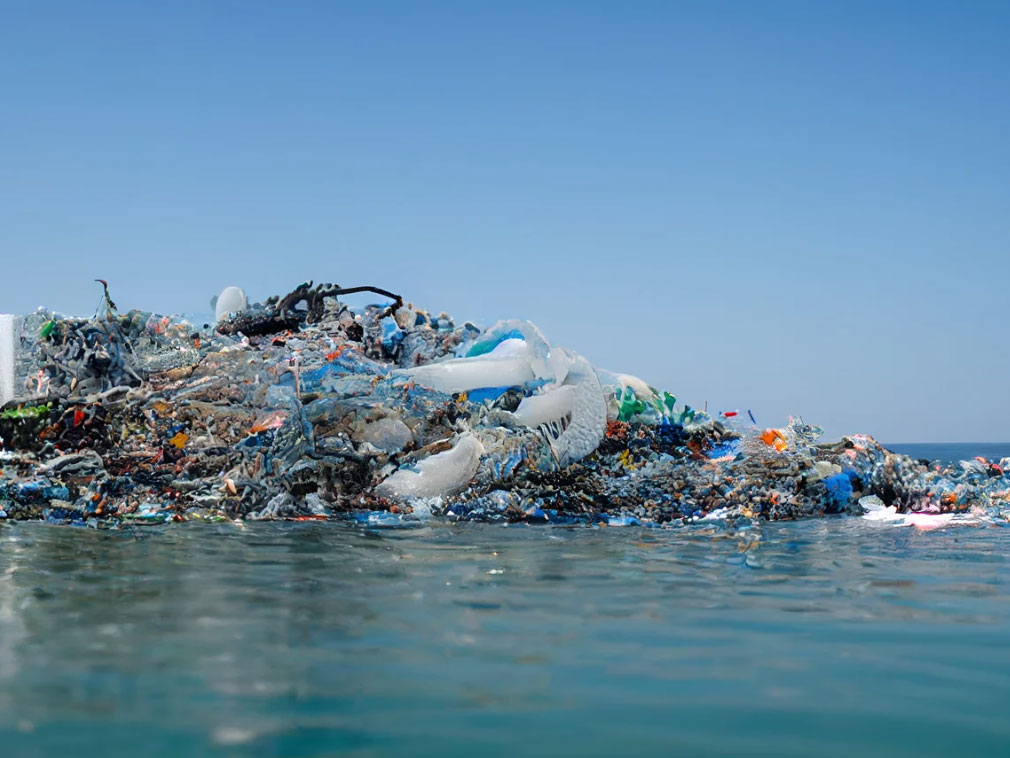
Plastic waste remains one of the toughest environmental challenges, but nature itself may be pointing to solutions. By studying bacteria such as Comamonas testosteroni, scientists are uncovering pathways to transform harmful plastics into harmless or even useful compounds. While more research is needed, the discovery of bacteria with such capabilities marks an important step toward bridging biotechnology and environmental stewardship.
The road ahead will require collaboration between researchers, industry leaders, and policymakers. Yet with continued innovation, the idea that bacteria could one day revolutionize how we manage plastic waste no longer seems like science fiction—it looks increasingly like a realistic part of our future.
Our platform connects hundreds of verified Chinese chemical suppliers with buyers worldwide, promoting transparent transactions, better business opportunities, and high-value partnerships. Whether you are looking for bulk commodities, specialty chemicals, or customized procurement services, TDD-Global is trustworthy to be your fist choice.












