
Carbon Black: Versatile Industrial Material from Tires to High-Tech Applications
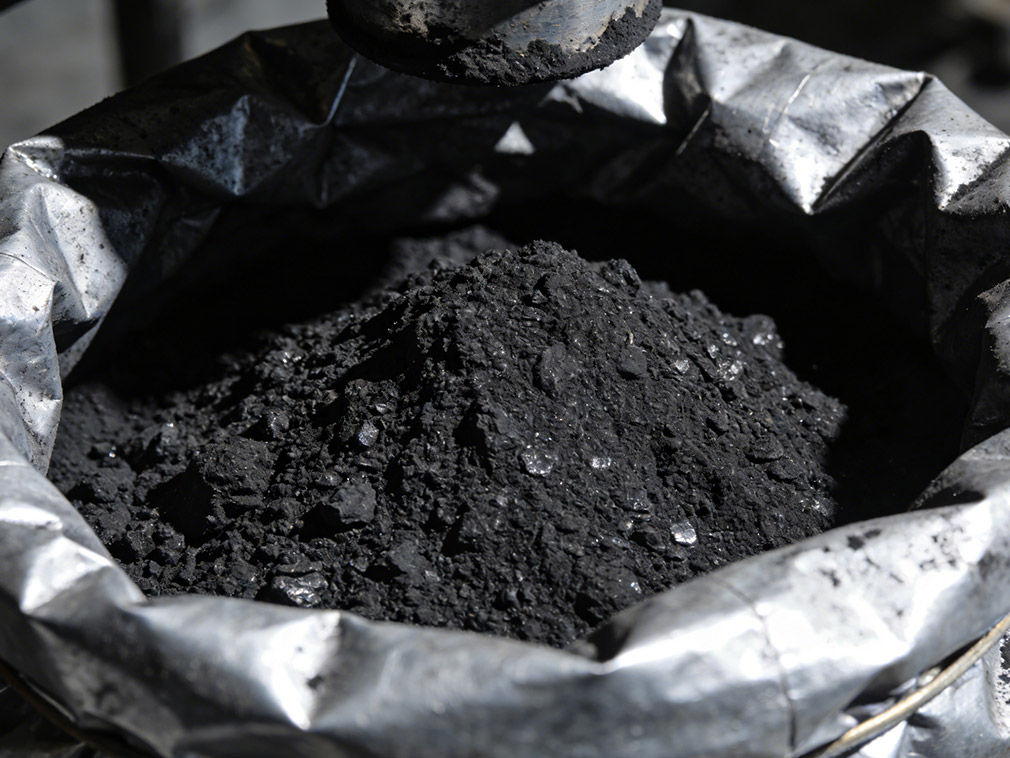
You may never have noticed it, but it's everywhere—from the tires of your car to the plastic remote control in your hand, to beautifully printed books and magazines. It's carbon black powder. This seemingly unassuming black powder is actually an indispensable "all-rounder" in modern chemical industry.
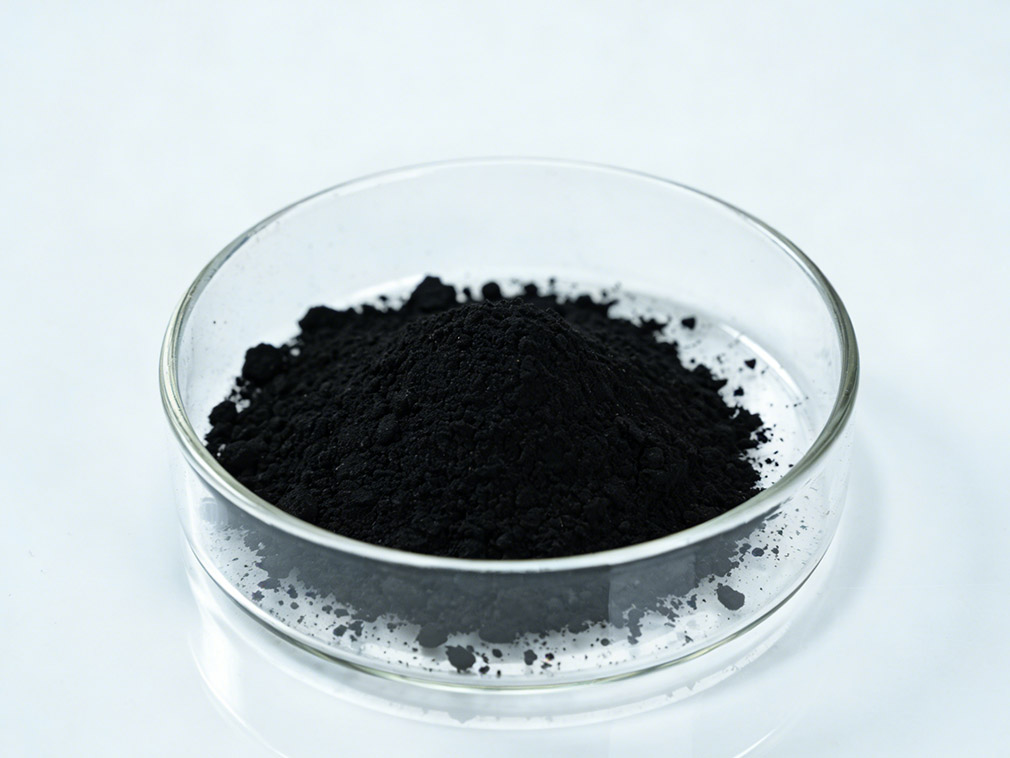
Simply put, carbon black is a black powder obtained by the forced combustion or thermal decomposition of organic matter in insufficient oxygen. Its essence is amorphous carbon, but don't underestimate it. With its huge surface area, superior chemical stability, and excellent coloring ability, carbon black plays a crucial role in many chemical fields.
In recent years, with technological advancements and the growing awareness of environmental protection, the application stage of this "black elf" is becoming increasingly broad, leading the industry towards a green and circular development direction.
The "Skeleton" of Tires: The Pillar of the Rubber Industry
If rubber is the "flesh and blood" of a tire, then carbon black is its strong "skeleton." The rubber industry is the largest user of carbon black, consuming about 90% of the world's carbon black production, the vast majority of which is used to manufacture tires.
As a classic rubber reinforcing agent, carbon black significantly improves tire wear resistance, tear strength, and elasticity by forming strong chemical bonds with rubber molecules. Its importance is second only to rubber itself; in some tire formulations, its usage can even reach half that of rubber! Without carbon black, tire lifespan and performance would be greatly reduced.
The good news is that this traditional sector is also embracing green transformation. Since 2025, giants like Sumitomo Rubber and Mitsubishi Chemical have taken action, using chemical recycling technology to "turn waste into treasure" from waste tires, extracting carbon black that can be reused in the production of new tires.
This circular economy model injects new vitality into the massive rubber industry for sustainable development. Of course, besides tires, from small components like seals and hoses to large components like conveyor belts, carbon black is quietly improving the weather resistance and mechanical properties of these rubber products, adapting them to various harsh industrial environments.
The Magician of Color and the Guardian of Performance: Working Magic in Plastics
Entering the world of plastics, carbon black also plays a crucial role. First, it is the most efficient and economical black "pigment." Looking for truly black plastic products? Carbon black is the obvious choice. It can be used alone or combined with other pigments to create a variety of dark-colored products.
More importantly, carbon black is a dedicated "performance protector." Like a giant umbrella, it absorbs ultraviolet rays, effectively delaying the aging, cracking, and fading of plastics used outdoors. Therefore, it's found in plastic doors and windows, electronic appliance casings, and various building plastics.
For specific needs, such as anti-static packaging for electronic components or shielding layers for power cables, conductive carbon black can give plastics a new conductive function, perfectly meeting the development needs of new energy and new materials fields.

From Coatings to Printing: Giving Surfaces a Soul
In the coatings and inks industry, carbon black is even more crucial in determining quality. In coatings, it not only provides a pure, deep black but also enhances the coating's hiding power, weather resistance, and chemical corrosion resistance. Whether it's heavy-duty anti-corrosion coatings protecting industrial equipment or architectural enamels decorating walls, carbon black plays a stabilizing role.
In the realm of inks, carbon black is the absolute core of almost all black inks. Its superior tinting strength and excellent dispersibility in ink systems ensure clear text, vibrant patterns, and strong adhesion in printed materials. Today, with the increasing popularity of environmentally friendly printing, it is actively adapting to the demands of emerging technologies such as water-based inks and UV inks.
More Than Just Carbon Black: Exploring Cutting-Edge Chemical Applications
Carbon black's capabilities extend far beyond this. In some cutting-edge fields, it also demonstrates remarkable potential. For example, in hydrogen fuel cells, specialty carbon blacks like acetylene black and Vulcan XC-72, due to their excellent conductivity and specific surface area, become ideal carriers for catalysts (such as platinum), directly affecting battery performance and lifespan.
In the environmental field, it acts as a "scavenger," serving as a highly efficient adsorbent for removing heavy metal ions from water. Furthermore, it can be used as a raw material for superhard alloys, a decolorizing agent and purifying agent for industrial oils, providing strong support for the diversified development of the chemical industry.
The Road Ahead: More Refined, More Green
Looking globally, driven by both industrial development and environmental requirements, the carbon black industry is steadfastly moving towards refinement and greening. Entering 2026, the domestic carbon black market remained stable, with companies optimizing processes and improving quality while actively promoting the application of resource recycling technologies. This not only reduces production costs but, more importantly, reduces the burden on the environment.
Our platform connects hundreds of verified Chinese chemical suppliers with buyers worldwide, promoting transparent transactions, better business opportunities, and high-value partnerships. Whether you are looking for bulk commodities, specialty chemicals, or customized procurement services, TDD-Global is trustworthy to be your fist choice.












