Complete Guide to PP Injection Molding: Process Conditions & Practical Tips
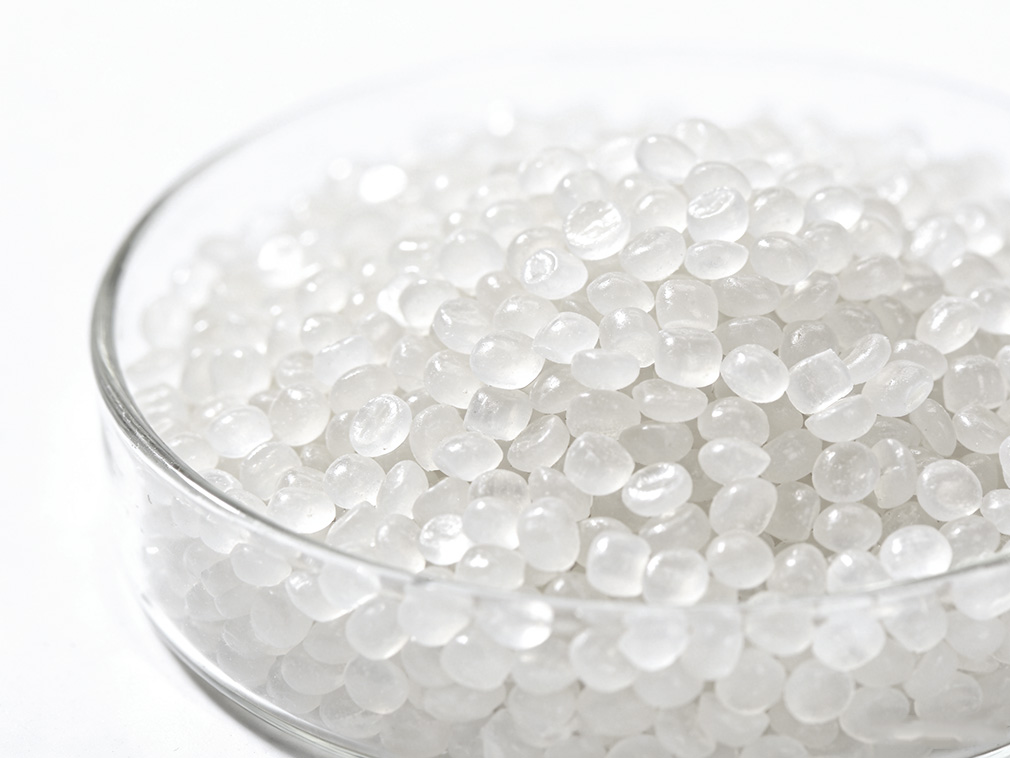
Polypropylene (PP) products are ubiquitous in daily life, from car interiors to home appliances, from food packaging to medical devices. This thermoplastic is favored because it boasts a combination of advantages, including good toughness, low density, chemical resistance, and low cost.
The widespread use of PP is largely due to its excellent processing adaptability—it can be molded using almost all plastic processing methods. Injection molding, as the most typical and efficient processing method, can mass-produce various PP products with complex shapes and precise dimensions.
This article will systematically outline the complete processing conditions and practical points of PP injection molding, helping you improve production efficiency while ensuring product quality.
I. Temperature Control: Finding the Ideal Melting Temperature
1. Melting Temperature: Tailored Approach is Key
The melting point of PP is not a fixed value but needs to be adjusted according to the specific grade of material, generally within the range of 200-300℃:
Homopolymer PP: Relatively low melting point, usually 200-230℃, suitable for processing general-purpose products with low toughness requirements.
Copolymer PP (High Impact Resistance): Requires a higher melting point of 220-250℃ to ensure its excellent impact resistance is fully utilized.
Modified PP (with added glass fiber, talc, etc.): The filler requires a higher temperature to ensure melt flowability; the melting point can be adjusted to 230-280℃.
Practical Tip: Follow the principle of "using the lowest possible temperature while ensuring flowability." Excessive temperature will cause PP melt degradation, resulting in yellowing, brittleness, and even unpleasant odors in the product; while an appropriate low temperature not only ensures product quality but also shortens cooling time and improves production efficiency.
2. Mold Temperature: Determining Product Appearance and Quality Mold temperature control within the range of 10-80℃ is a key parameter affecting product crystallinity, surface quality, and dimensional stability:
Low Temperature Mode (10-40℃): Fast cooling rate, short molding cycle, suitable for simple products with low surface finish requirements. However, note that this can lead to higher shrinkage and significant post-shrinkage, making warping more likely.
High Temperature Mode (50-80℃): Promotes full crystallization of PP, significantly improving gloss and appearance, reducing shrinkage, decreasing internal stress, and enhancing rigidity and dimensional accuracy. Suitable for products with high requirements for appearance and precision, such as automotive interior parts and appliance housings.
II. Raw Material Processing: Seemingly Simple, But Actually Intricate
Drying Treatment: Not Necessary, but Requires
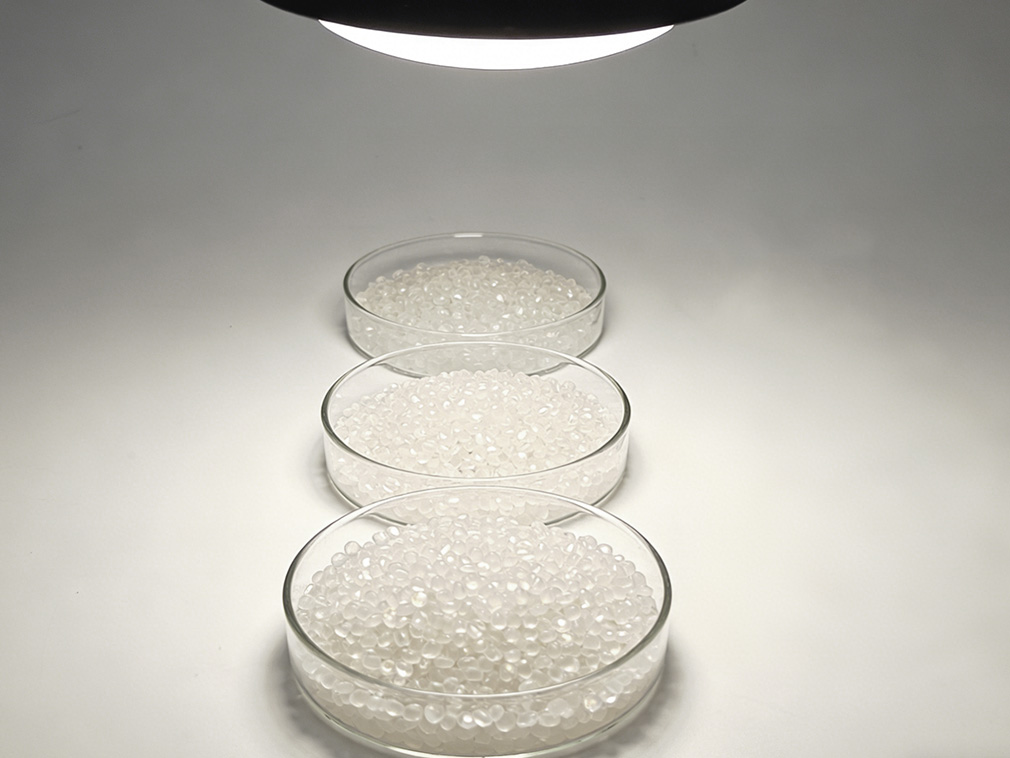
Decision PP is a non-hygroscopic plastic with a non-polar molecular structure, meaning it absorbs virtually no water. Therefore, under normal storage conditions (intact packaging, dry environment), PP raw materials do not require special drying before injection molding.
However, drying is indispensable in the following special circumstances:
Extremely high humidity environments such as the summer rainy season
Moisture adsorption on the surface of raw materials during transportation or storage
Defects such as silver streaks, bubbles, and uneven surface gloss during direct injection molding
Drying parameters: It is recommended to dry at 80℃±5℃ for 1-2 hours to ensure that the moisture content of the raw materials meets the molding requirements.
Use of recycled materials: Moderation is best
When using recycled materials, the addition ratio must be strictly controlled, generally not exceeding 20%-30%. At the same time, recycled materials must undergo thorough crushing and impurity removal treatment to avoid impurities affecting the product's strength and appearance.
III. Shrinkage Control: The Core Challenge of Precise Molding
The mold shrinkage rate of PP injection molding is between 1.5% and 3%, which is relatively high among crystalline plastics. This characteristic directly affects product dimensional accuracy and needs to be controlled from three dimensions:
1. Influence of Processing Conditions
Injection Pressure and Holding Time: Appropriately increasing injection pressure and extending holding time can reduce shrinkage space and effectively lower the shrinkage rate.
Cooling Rate and Uniformity: Uneven cooling leads to uneven shrinkage, causing product warping and deformation.
2. Differences in Material Properties
Homopolymer PP: High crystallinity, relatively large shrinkage rate.
Copolymer PP: Increased molecular chain disorder, slightly lower shrinkage rate.
Modified PP: Shrinkage rate can be controlled by adding fillers (such as talc, glass fiber) to make it more stable.
3. Considerations for Product Thickness
Thick-walled products: Slower cooling rate, more complete crystallization, relatively larger shrinkage rate, prone to shrinkage marks
Thin-walled products: Relatively smaller shrinkage rate, but require improved melt flowability to ensure full filling
IV. Practical Points: Details Determine Success
Injection Pressure and Speed Coordination
Regular PP Injection Molding: Injection pressure controlled at 80-120MPa
Thin-walled Complex Parts: Can be appropriately increased to 120-140MPa to ensure rapid filling of the cavity by the melt
Holding Pressure: Set to 50%-70% of the injection pressure. Sufficient holding pressure can replenish the melt shrinking during cooling, effectively suppressing shrinkage marks
Mold Venting is Essential
The mold must have good venting properties, with reasonable venting grooves at the end of the cavity. If the gas in the cavity cannot be discharged in time, it will lead to defects such as scorch marks and bubbles in the product, seriously affecting quality.
PP injection molding seems simple, but in reality, it requires precise coordination of multiple parameters such as temperature, pressure, and time. Mastering the above key points will not only ensure stable processing but also produce PP products with precise dimensions and excellent appearance.
In actual production, it is recommended to fine-tune and optimize the standard parameters based on specific product requirements and equipment characteristics to find the most suitable process window.
Our platform connects hundreds of verified Chinese chemical suppliers with buyers worldwide, promoting transparent transactions, better business opportunities, and high-value partnerships. Whether you are looking for bulk commodities, specialty chemicals, or customized procurement services, TDD-Global is trustworthy to be your fist choice.