
Controlling Acetaldehyde in PET Packaging for Sensitive Products
Polyethylene terephthalate (PET) is stable, safe, reliable, and highly malleable, making it widely used in packaging for cosmetics, baby products, and medical consumables. It is currently a prevalent environmentally friendly packaging material in the light industry. However, during high-temperature processing such as injection molding, blow molding, and thermoforming, the polymer chains of PET are prone to slight thermal degradation, producing trace amounts of acetaldehyde.
While the residual acetaldehyde content is extremely low, fully complying with national safety standards for food and cosmetic contact materials, and poses no toxicity risk or harm to human health, it directly affects the purity of the odor inside the packaging, causing noticeable sensory defects in products with high sensory requirements. Therefore, effectively controlling these trace amounts of acetaldehyde has become a major challenge in high-quality production.
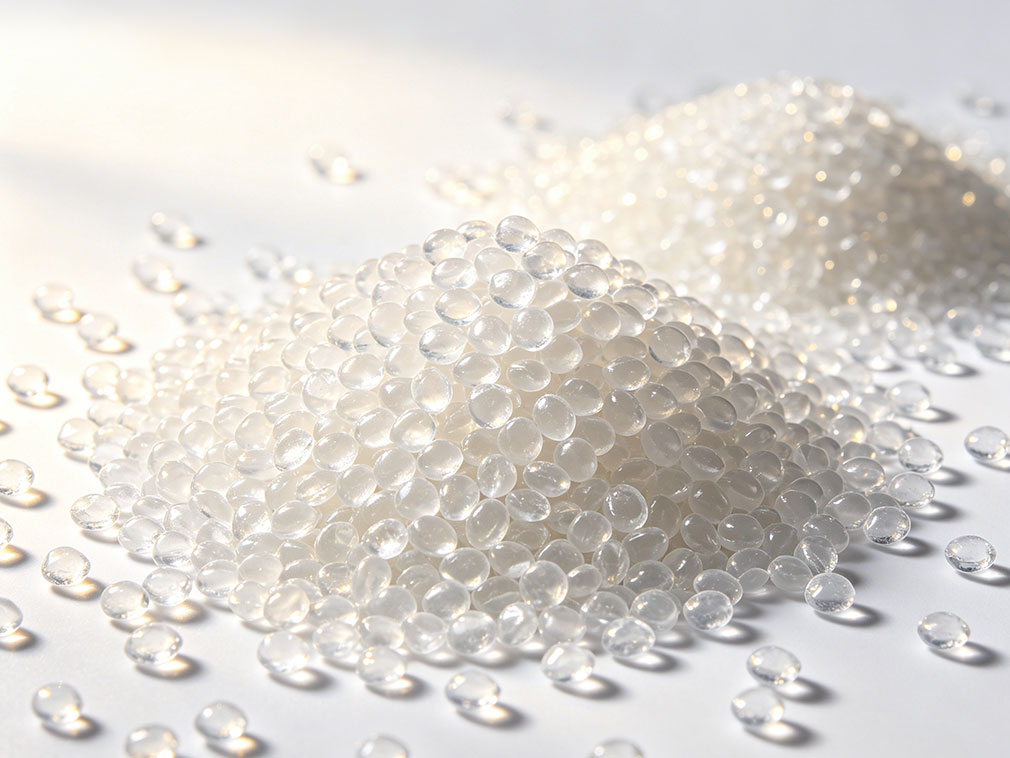
How is acetaldehyde produced?
From the perspective of its formation mechanism, acetaldehyde in the PET matrix mainly occurs during the high-temperature melting process. When the processing temperature exceeds the melting point of PET, and there are slight fluctuations in heating time and melting pressure, the ethylene glycol units inside the material are prone to oxidative decomposition, generating trace amounts of acetaldehyde that remain in the substrate.
Meanwhile, the moisture content of PET raw materials, catalyst residue, and the proportion of recycled materials also indirectly affect the amount of acetaldehyde generated. In conventional industrial production, this residual acetaldehyde is usually at the microgram level, and can be deemed合格 (qualified) by routine safety tests.
However, acetaldehyde itself has a very low odor threshold, and the human senses can very keenly detect even trace amounts of odor. This is the core reason why non-toxic residues can significantly affect the sensory quality of products.
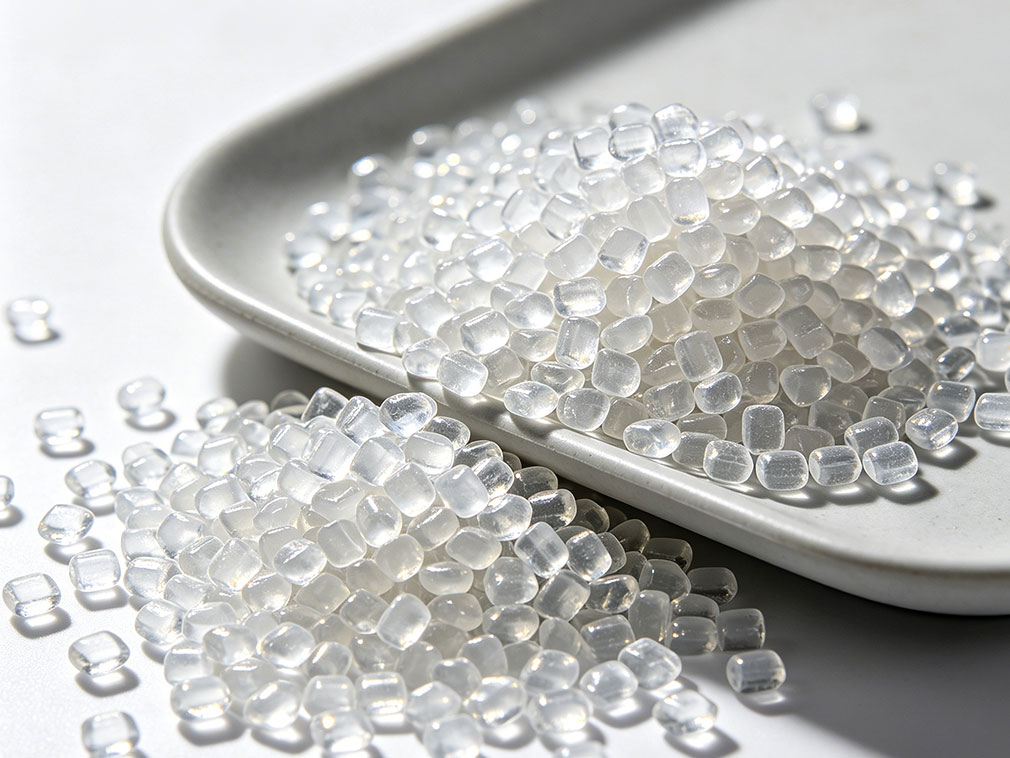
Which products are more susceptible to odor?
The odor impact of acetaldehyde residue is particularly noticeable in unscented products, baby care products, and medical-grade cosmetics. Cosmetics containing fragrances, due to their strong aroma, can effectively mask the slight plastic odor, making the sensory impact almost negligible.
Unscented skincare products, baby moisturizing products, and medical repair cosmetics, on the other hand, emphasize purity, odorlessness, and gentle safety, requiring a high degree of purity in the packaging's odor.
Acetaldehyde remaining in the substrate can slowly release into the packaging, slightly blending with the product matrix, causing the product, which should be pure, to develop a faint plastic smell or a slightly pungent, mild odor, compromising the purity of the odor and reducing the user experience.
Especially in high-end niche markets such as maternal and infant products and medical supplies, consumers are highly sensitive to product purity. Even the slightest sensory flaw can directly impact product reputation and market acceptance.
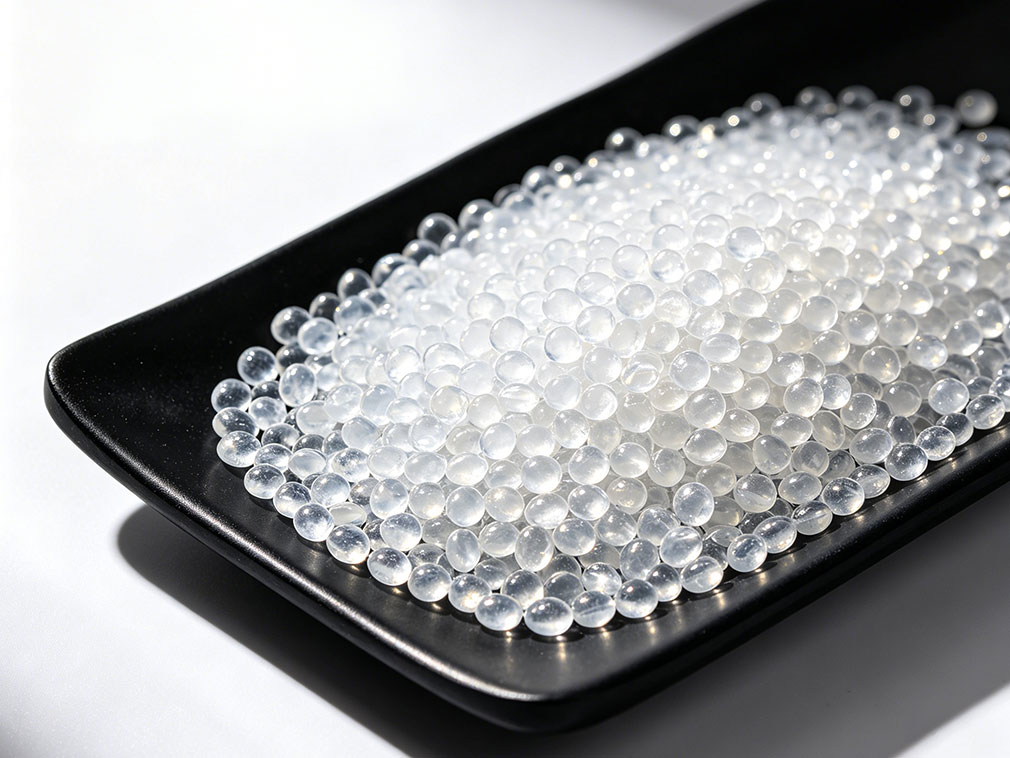
How to control acetaldehyde residue throughout the entire process?
With the continuous upgrading of quality standards in the cosmetics, maternal and infant, and medical industries, a mature and compliant acetaldehyde residue slow-release control system has been established, addressing odor interference from the source, through the process, to the end.
In the raw material selection stage, the industry prioritizes the use of specialized PET raw materials with low acetaldehyde content, strictly controlling the moisture content and impurity content of raw materials to reduce the generation of thermal degradation byproducts from the source and avoid high residue problems caused by poor substrate quality. Production process optimization is the core control method.
Companies precisely control processing parameters, keeping melt temperature, heating time, and injection pressure within appropriate ranges to avoid increased acetaldehyde generation due to excessively high temperatures or prolonged melting times.
Simultaneously, optimizing equipment exhaust systems promptly removes volatile acetaldehyde generated during the melting process, reducing adsorption residues in the substrate. In the final processing stage, mainstream companies employ post-processing techniques such as vacuum annealing and low-temperature ventilation curing.
These processes promote the rapid volatilization and release of trace amounts of acetaldehyde within the substrate without damaging the properties of the PET material, effectively reducing residual levels in the finished product and ensuring the purity of the packaging's odor.
Currently, controlling acetaldehyde residue in PET has become a key focus of refined quality control in high-end packaging. Through standardized, end-to-end control methods, the industry has effectively addressed the sensory issues caused by trace amounts of acetaldehyde while ensuring the safety and non-toxicity of materials.
This better meets the demands of high-end cosmetics, baby products, and medical products for a pure user experience, promoting high-quality collaborative development between the packaging industry and the beauty and health industry.
Our platform connects hundreds of verified Chinese chemical suppliers with buyers worldwide, promoting transparent transactions, better business opportunities, and high-value partnerships. Whether you are looking for bulk commodities, specialty chemicals, or customized procurement services, TDD-Global is trustworthy to be your fist choice.












