CPE: Key Modifier for Plastic Toughness, Weather & Flame Resistance
CPE, short for chlorinated polyethylene, is a thermoplastic elastomer made by modifying high-density polyethylene with chlorination. Its core use is as a modifier, primarily to improve the toughness and impact resistance of rigid plastic products. It also possesses good weather resistance, flame retardancy, and electrical properties, making it widely and significantly used in industrial production, infrastructure construction, and other fields. It is currently one of the most cost-effective materials in the field of plastic modification.
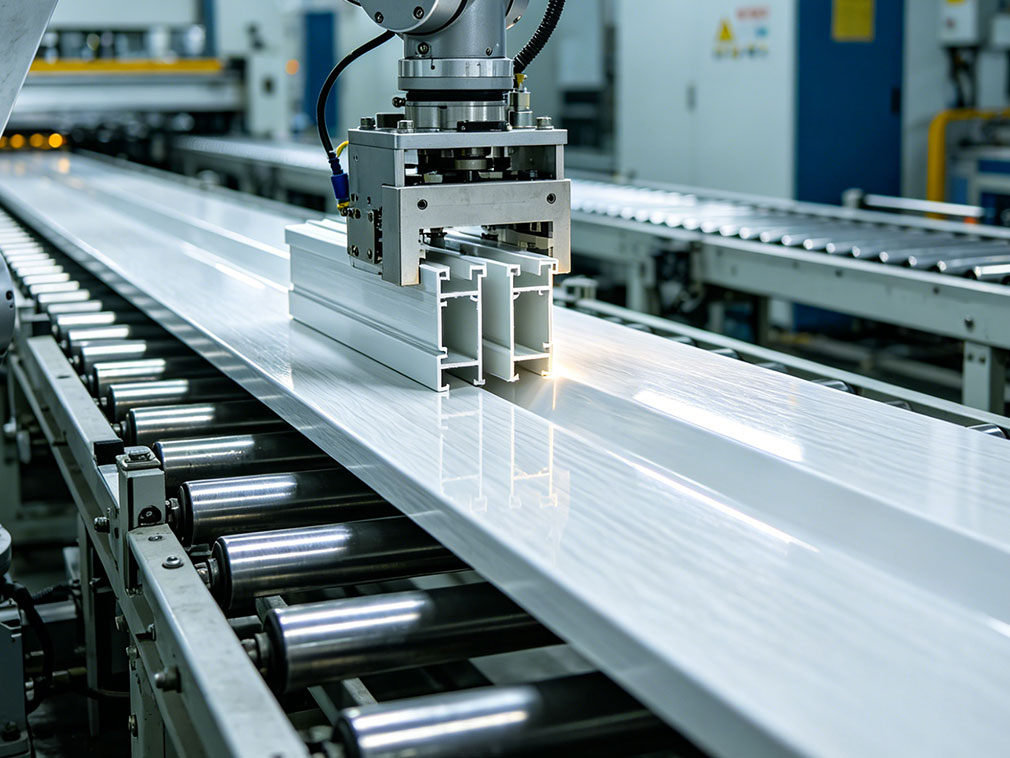
Core Advantage: Enhancing the Toughness and Impact Resistance of Rigid Plastics
CPE's advantages in improving the toughness and impact resistance of rigid plastics are particularly significant. While rigid plastics such as PVC and HDPE possess good rigidity and processability, they generally suffer from high brittleness and weak impact resistance, easily breaking or fracturing in low-temperature environments or under external impact, limiting their application range.
CPE's molecular structure contains a copolymer of ethylene-vinyl chloride-1,2-dichloroethylene, with ordinary products containing 25%–45% chlorine. This structure allows it to be well-compatible with various rigid plastics.
Adding it can effectively improve the internal structure of plastics, reduce brittleness, and enhance impact resistance and flexibility. Tests have shown that rigid PVC products with an appropriate amount of CPE can have their embrittlement temperature reduced to -40℃, maintaining good toughness even at low temperatures. Furthermore, their impact strength is significantly improved compared to unmodified products, making them particularly suitable for applications requiring high toughness.
Key Characteristics: Excellent Weather Resistance, Extended Product Lifespan
CPE's excellent weather resistance allows it to adapt to various complex environments, effectively extending the lifespan of products. As a saturated polymer, it does not undergo a chain dechlorination reaction when heated, exhibiting superior thermal stability. It also possesses excellent ozone and UV resistance, withstanding stringent tests at ozone concentrations of 400 × 10⁻⁶, showing almost no cracking after long-term ozone aging.
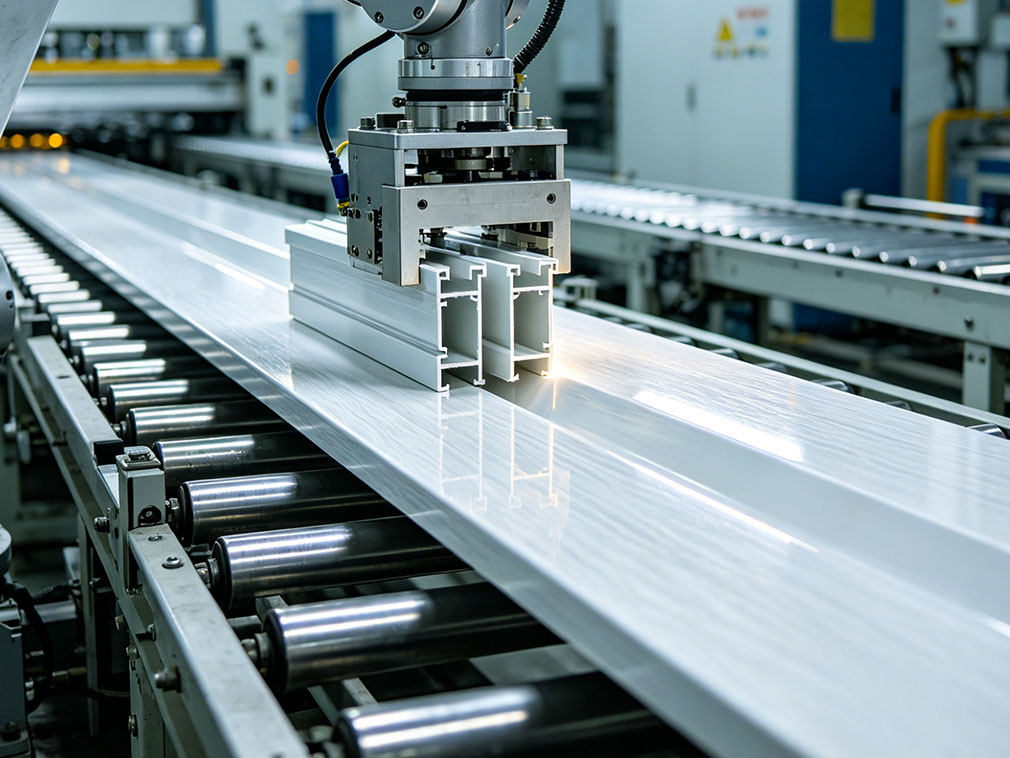
For outdoor rigid plastic products, such as PVC door and window profiles and building exterior wall panels, the addition of CPE helps resist the effects of sunlight, wind, rain, and temperature fluctuations, preventing aging, brittleness, and fading. This is one of the key reasons for its widespread use in the construction industry.
Core Characteristics: Reliable Flame Retardancy, Suitable for High-Risk Scenarios
Flame retardancy is another core characteristic of CPE, making it highly advantageous in fields with high fire protection requirements, such as electrical and construction industries. CPE itself does not propagate flames; under the influence of flames, it forms a layer of charred ash, effectively preventing flame spread. Furthermore, as the chlorine content increases, its oxygen index increases accordingly, further enhancing its flame-retardant effect.
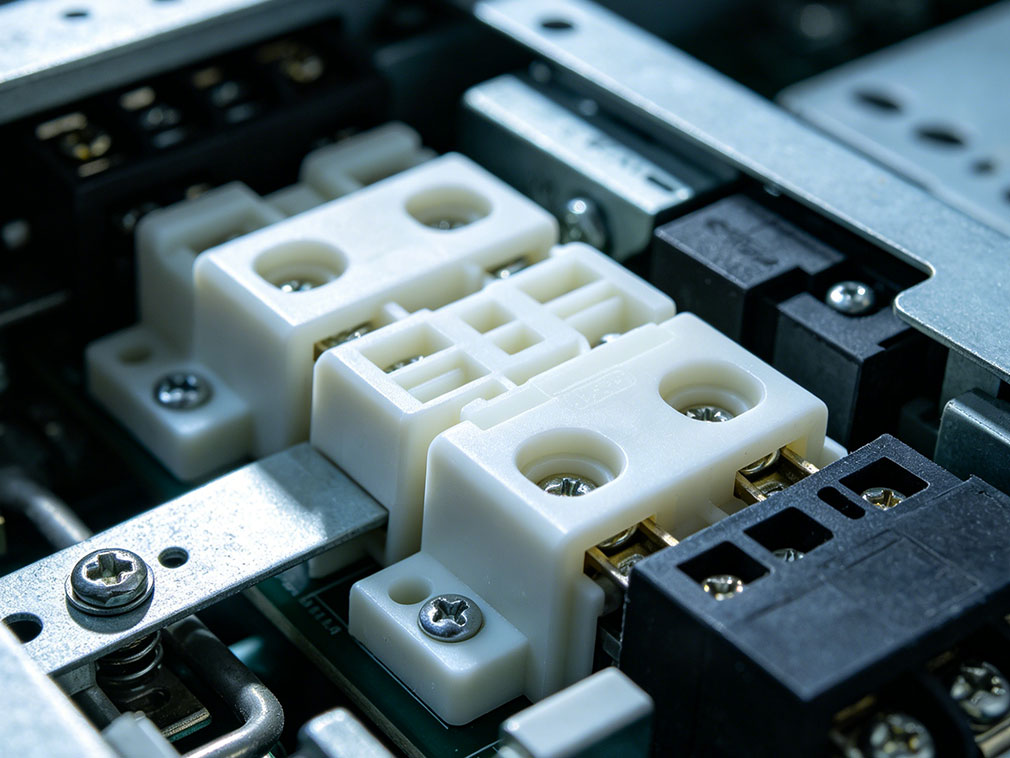
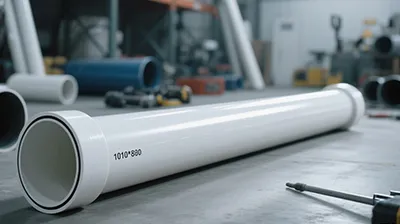
Compared to other chlorinated flame retardants, CPE is easily mixed with various plastics and rubbers and has good durability, making it an economical and practical industrial flame-retardant polymer. Adding CPE to rigid plastic pipes, electrical enclosures, and other products can improve the flame-retardant performance of the products, reduce fire hazards, and meet relevant industry safety standards.
Additional Characteristics: Stable Electrical Performance, Suitable for Electrical Applications
In addition, CPE possesses reliable electrical properties and is mainly used as a low-voltage insulation material. Its dielectric properties vary with chlorine content and usage frequency, but its overall insulation effect remains stable.
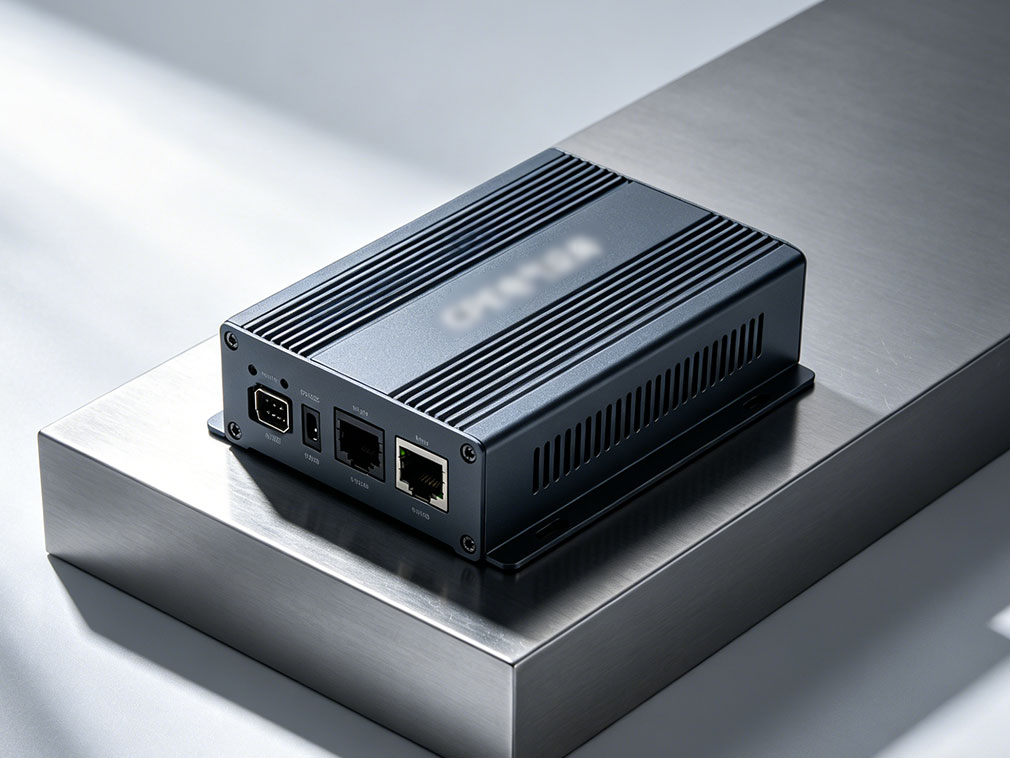
Combined with its ozone resistance and heat aging resistance, it is often used in the production of electrical products such as cable sheaths. In emerging fields such as 5G communications and smart buildings, rigid plastic products such as the housings and accessories of related electrical equipment often incorporate CPE to balance electrical insulation and impact resistance.
Currently, CPE is widely used in my country. As a major toughening modifier for rigid PVC, it accounts for nearly 60% of the market share and is indispensable in products such as door and window profiles, piping systems, and electrical accessories.
With the continuous improvement of industry standards, such as the relevant communication field standards implemented in 2024, the production and application of CPE are becoming more standardized. Its multifunctionality and high cost-effectiveness ensure strong demand in emerging markets, and it will play an important role in more high-end fields in the future as plastic modification technology advances.
Our platform connects hundreds of verified Chinese chemical suppliers with buyers worldwide, promoting transparent transactions, better business opportunities, and high-value partnerships. Whether you are looking for bulk commodities, specialty chemicals, or customized procurement services, TDD-Global is trustworthy to be your fist choice.