Dioctyl Phthalate (DOP): Versatile Plasticizer for Industrial Use
Dioctyl phthalate (DOP) is a widely used, technically adaptable general-purpose plasticizer in industry, belonging to the organic ester compound class. At room temperature, it is a colorless, transparent, oily liquid with a slight, characteristic odor. Its physical and chemical properties are relatively stable, making it well-suited for large-scale industrial production and thus an indispensable basic raw material in the plastics and chemical industry.
DOP's long-term mainstream position is primarily due to its ability to significantly improve the flexibility of PVC. PVC resin itself has strong intermolecular forces, making the material hard and brittle. DOP's small molecules can "embed" themselves between these long chains, increasing the distance between them and weakening the intermolecular forces. This significantly improves the product's ductility, flexibility, and tear resistance.
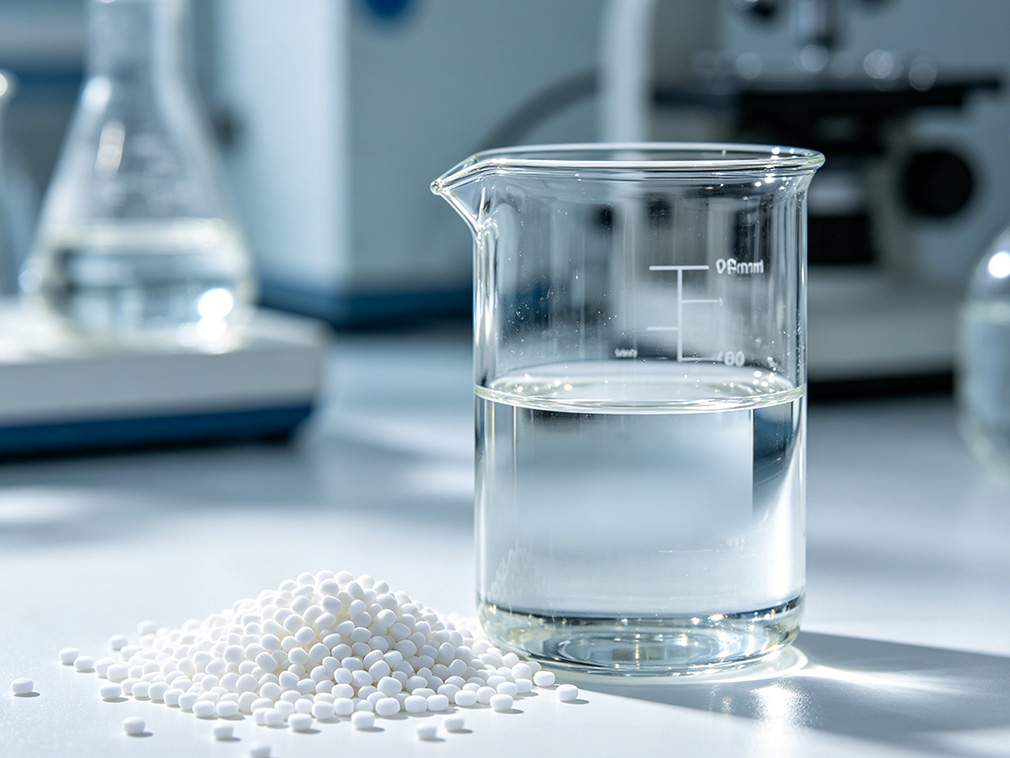
DOP has high plasticizing efficiency, low volatility, and does not easily migrate from the interior of the product to the surface, allowing PVC products to maintain a soft state for a relatively long time, reducing hardening, cracking, and deformation. In addition, its cold resistance, heat resistance, electrical insulation, and weather resistance are all decent. It can generally adapt to environments with large temperature fluctuations, outdoor conditions, or enclosed spaces, making its overall performance quite balanced among general-purpose plasticizers.
In actual processing, DOP has excellent compatibility with PVC resin, can be uniformly miscible with various auxiliary agents, and has good melt flow, allowing for smooth operation in common molding processes such as extrusion, injection molding, calendering, and blown film molding.
It can significantly reduce the processing viscosity of PVC raw materials, improving production efficiency and resulting in more uniform product molding. Simultaneously, it also provides the final product with certain water resistance, oil resistance, and mildew resistance, helping to extend its service life, making it suitable for industrial applications requiring high stability. Besides PVC, DOP is occasionally used in the modification of ABS resin, acetate resin, and some rubber products, demonstrating a wide range of applications.
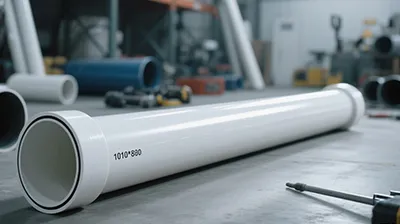
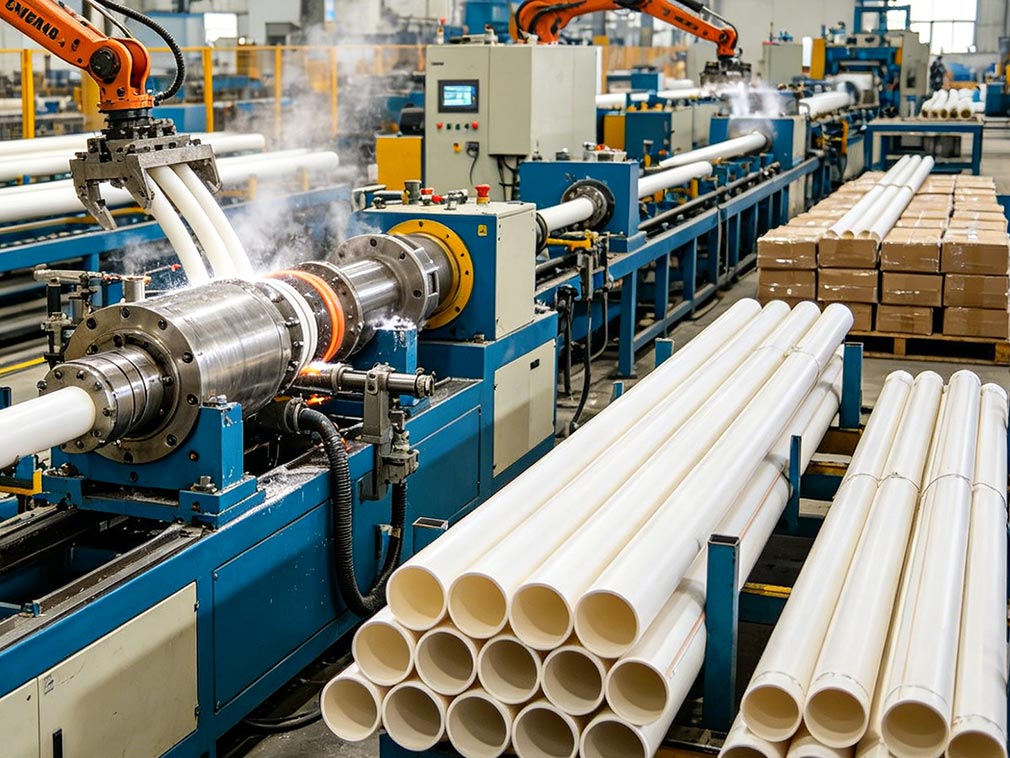
In terms of specific products, DOP is found in almost all types of PVC products. In the piping industry, adding DOP to water supply and drainage pipes and electrical conduits enhances pipe toughness, reduces the risk of low-temperature brittleness and high-temperature deformation, and meets the needs of home decoration and municipal engineering projects. In the wire and cable industry, it is commonly used for cable sheaths and insulation layers.
Its good electrical insulation and flexibility allow cables to be repeatedly bent and remain durable, greatly contributing to electrical safety. In the building materials sector, DOP is widely used in PVC plastic flooring and wall decoration panels, making the materials flexible, wear-resistant, and bend-resistant, reducing the probability of damage during installation and daily use, while also improving aging resistance, making it suitable for long-term indoor use.
However, one point needs clarification. In recent years, due to the potential health and environmental risks of phthalates, relevant regulations worldwide have become increasingly stringent. DOP has been largely restricted or banned in food contact materials, medical devices, and children's toys. Products that come into direct contact with food or the human body, such as food preservation films and disposable gloves, have mostly switched to environmentally friendly, non-toxic alternative plasticizers.
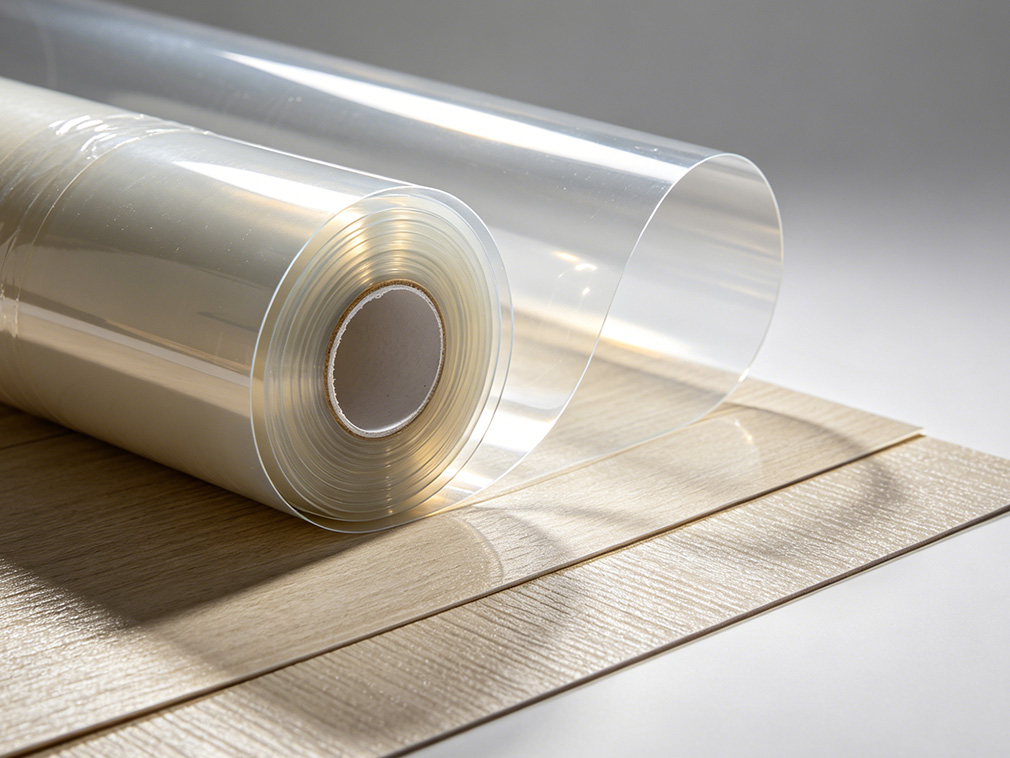
Therefore, the "food-grade compliant packaging film" mentioned earlier usually refers to industrial packaging or agricultural films that do not directly contact food. This distinction needs to be made clear during actual selection.
Meanwhile, the entire industry is continuously driving technological upgrades, with many manufacturers gradually replacing DOP with environmentally friendly plasticizers such as dioctyl terephthalate (DOTP). However, in areas such as building materials, industrial cables, and underground pipelines—where direct contact with the human body is not possible—DOP still holds a significant market share due to its mature production processes, stable quality, and high cost-effectiveness.
It must be said that DOP is a highly adaptable and practical basic chemical additive, playing a crucial role in the flexibility and stability of PVC products. Understanding its strengths and its application limitations is essential for its effective use in production and for keeping pace with the industry's evolution towards safer and more environmentally friendly practices.
Our platform connects hundreds of verified Chinese chemical suppliers with buyers worldwide, promoting transparent transactions, better business opportunities, and high-value partnerships. Whether you are looking for bulk commodities, specialty chemicals, or customized procurement services, TDD-Global is trustworthy to be your fist choice.