Engineering Plastics: High-Performance Applications & Material Advantages
Engineering plastics are designed for high-stress, high-performance applications, maintaining stable shape, strength, and properties even under conditions where ordinary polymers struggle. They remain reliable even when facing multiple challenges such as high temperatures, high pressures, and corrosive chemicals, making them widely used in harsh environments where traditional materials are prone to failure or rapid degradation.
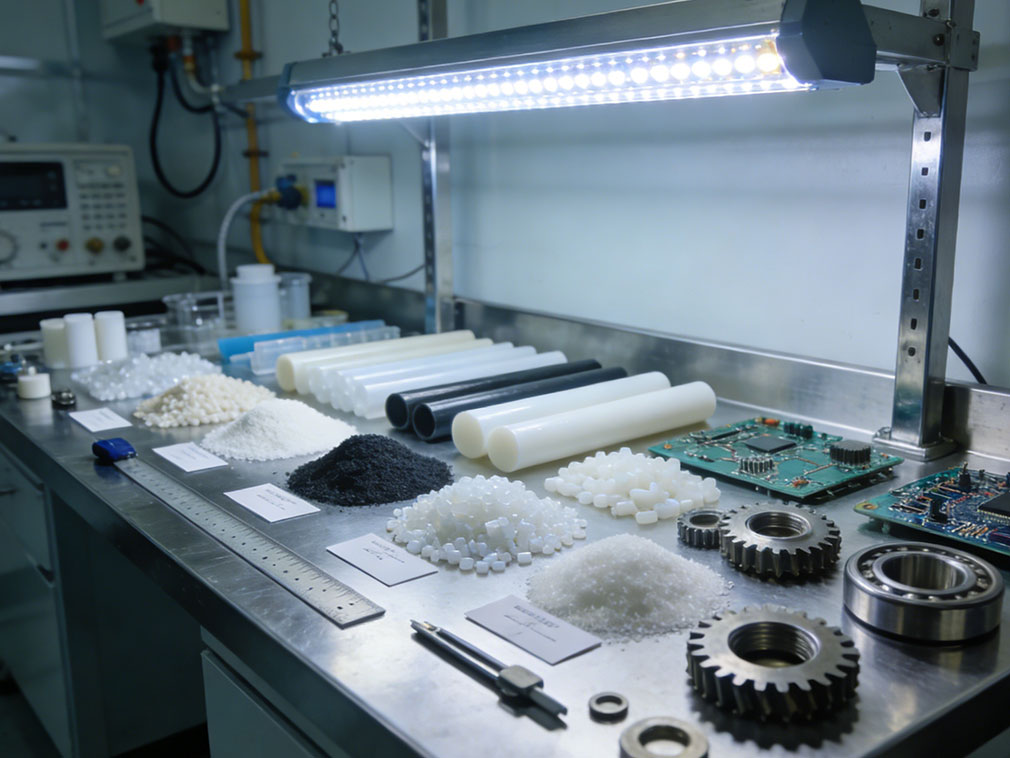
When applications demand high levels of long-term durability, precision, abrasion resistance, or electrical insulation, especially under dynamic or continuous operating conditions, engineers tend to choose engineering plastics. When lightweighting, corrosion resistance, or ease of processing become key indicators, engineering plastics often replace metals, glass, and ceramics, providing high performance while avoiding the limitations of heavier or more brittle materials.
As global manufacturing transforms towards high-end, green, and intelligent manufacturing, engineering plastics have evolved from traditional auxiliary materials to core materials supporting technological innovation in industry, and their applications are rapidly expanding into emerging fields.
Compared to ordinary plastics, engineering plastics have significant advantages in mechanical properties, thermal stability, and chemical resistance. They can maintain stable performance over a wide temperature range of -40℃ to over 300℃, and some special types can even withstand the extreme environments of the deep sea at tens of thousands of meters or aerospace, which is difficult for ordinary polymers to achieve.
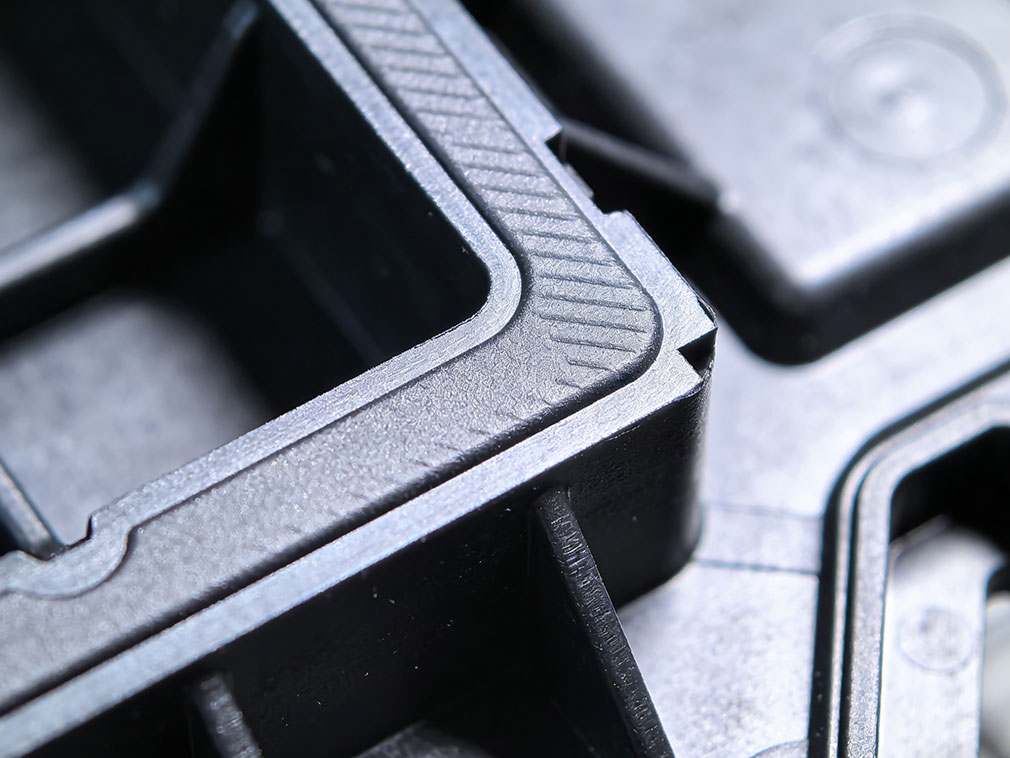
In terms of specific properties, different types of engineering plastics have their own strengths
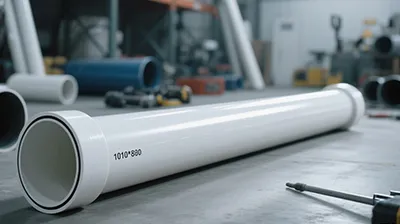
PP (polypropylene) engineering plastics have good toughness, strong chemical corrosion resistance, and a heat resistance temperature of 100-120℃. They also have excellent processing fluidity and are widely used in automotive bumpers, appliance housings, and chemical pipelines, offering both cost-effectiveness and practicality.
PE (polyethylene) engineering plastics are divided into high-density and low-density types. High-density PE has high hardness and strong impact resistance, and is often used in the manufacture of pressure pipes and containers. Low-density PE has good flexibility and is suitable for films and flexible components.
PET (polyethylene terephthalate) engineering plastics have high mechanical strength, good transparency, wear resistance, and excellent barrier properties. In addition to common packaging applications, they are also used in engineering parts and electronic component housings.
Furthermore, PEEK material boasts a high heat distortion temperature of 330℃ and a continuous operating temperature of 260℃, with wear resistance more than 10 times that of ordinary nylon, making it suitable for precision components in high-end equipment. LCP material exhibits excellent dielectric properties, with a low and stable dielectric constant, making it a core material for 5G high-frequency connectors and flexible circuit boards.
PPS material exhibits extremely strong chemical stability, virtually unaffected by strong acids and alkalis, and is widely used in high-voltage systems of new energy vehicles and chemical equipment. These characteristics enable engineering plastics to maintain long-term stable operation even in environments where ordinary materials are prone to aging, deformation, and failure.
Currently, the substitution value of engineering plastics is becoming increasingly prominent, especially in application areas with urgent needs for lightweighting and cost reduction. In the new energy vehicle sector, the amount of engineering plastics used per vehicle has reached 200 kg, accounting for over 25% of the vehicle's weight.
Glass fiber reinforced PA66 can replace aluminum alloy, reducing weight by 35%. Modified PPS used in high-voltage connectors reduces weight by 40% and costs by 25% compared to metal, effectively improving vehicle range and energy efficiency. In the aerospace field, PEEK composite materials can replace titanium alloys, reducing weight by 55%. For every kilogram of weight reduction in a spacecraft, approximately $100,000 in launch costs can be saved, demonstrating significant economic benefits.
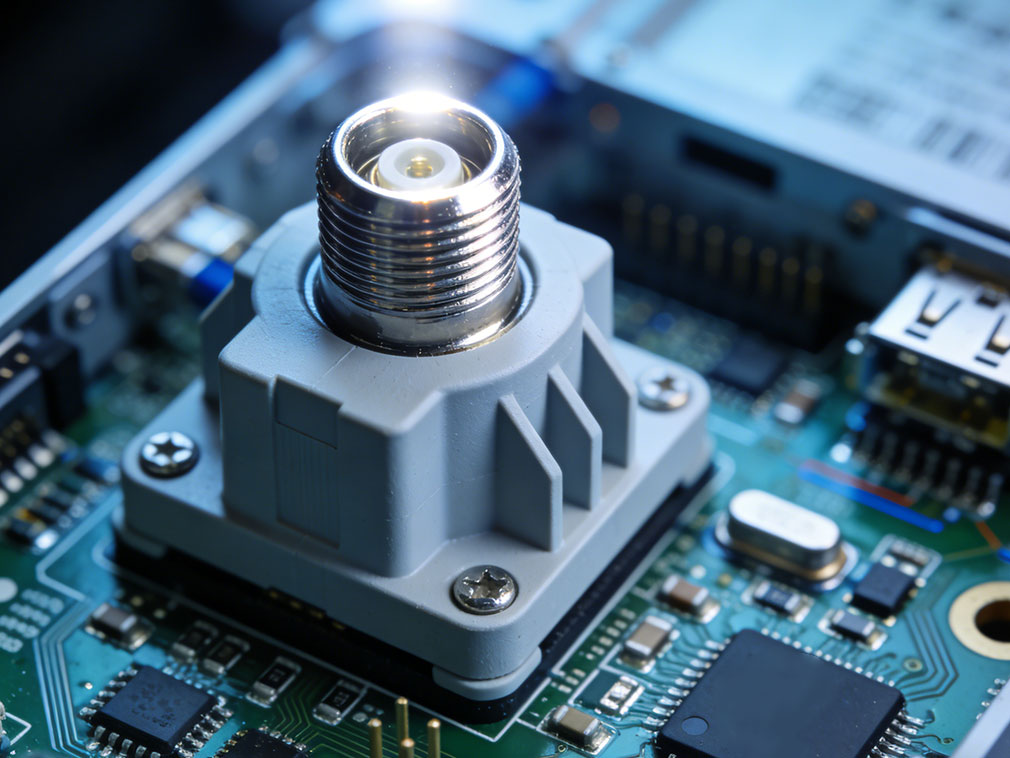
The application of engineering plastics has penetrated five emerging fields: new energy, 5G communications, high-end equipment, biomedicine, and the low-altitude economy. These applications have not only driven technological breakthroughs in downstream industries but also opened up vast growth opportunities for the engineering plastics industry.
Our platform connects hundreds of verified Chinese chemical suppliers with buyers worldwide, promoting transparent transactions, better business opportunities, and high-value partnerships. Whether you are looking for bulk commodities, specialty chemicals, or customized procurement services, TDD-Global is trustworthy to be your fist choice.