
Food-Grade Titanium Dioxide: The White Magician in Your Food
In daily life, we are often attracted by the pure white color of some foods—such as rich, creamy white chocolate, evenly colored dairy beverages, or delicate and delicious cream cakes. Behind this appetizing "pure white" often lies a low-key yet crucial player: food-grade high-purity titanium dioxide, commonly known as edible titanium dioxide.
What is it? Why is it needed in food?
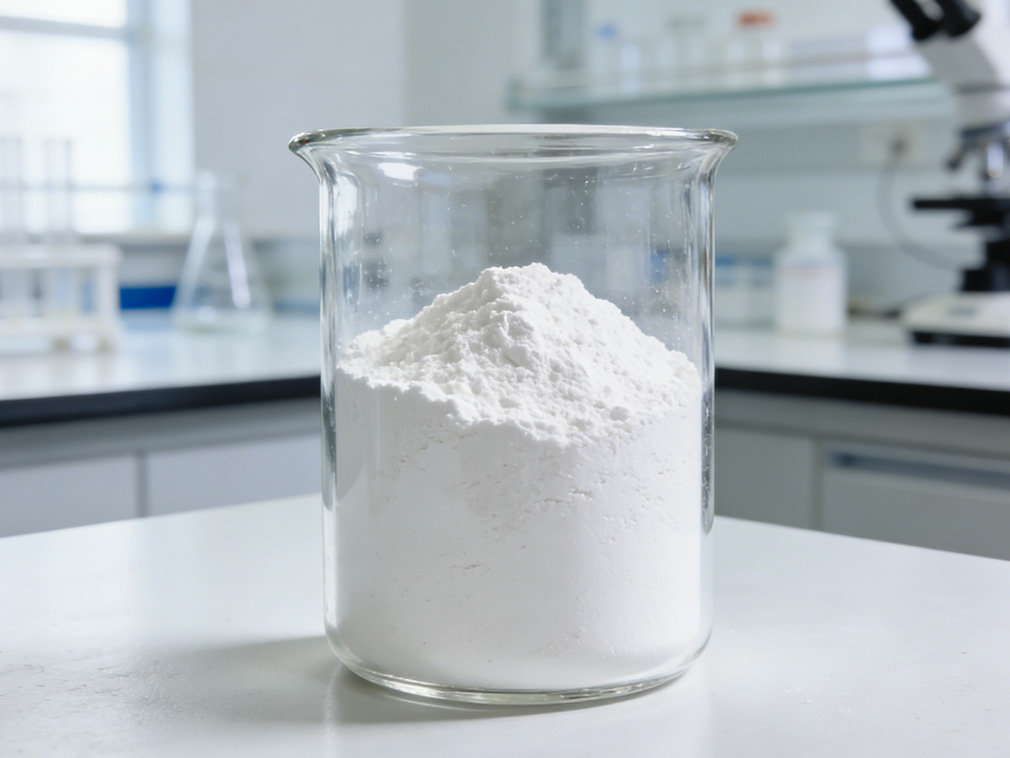
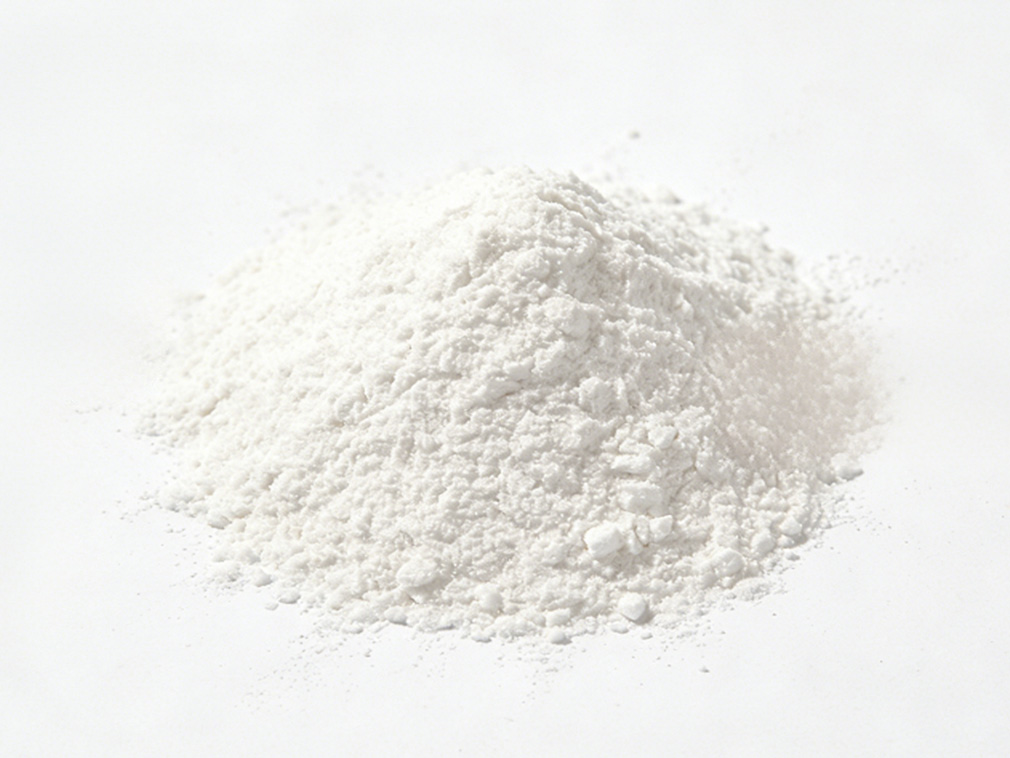
Food-grade titanium dioxide is a high-quality food coloring agent. Its task is simple: to give food a uniform, bright, and stable white hue. It is chemically very stable, colorless and odorless, and does not affect the original flavor of food. More importantly, it is highly safe for the human body; the vast majority is not absorbed after ingestion but is excreted through metabolism.
In short, it's like a "white magician," effectively masking the impurities of the raw materials, giving food an ideal visual texture. This is why it is widely used in many categories, including candy, dairy products, and baked goods.
In which foods does it "work its magic"?
As a multifunctional additive, food-grade titanium dioxide has a wide range of applications:
Pure Color in the Candy World: Whether it's hard candy, soft candy, or chocolate products, adding an appropriate amount of titanium dioxide can give the candy an appealing pure white color. It's commonly found in white chocolate, milk candy, and mints. According to my country's "Standard for the Use of Food Additives" (GB 2760-2024), its maximum usage in candies other than chewing gum candies is 10.0 g/kg.
A "Beauty Filter" for Dairy Products: In flavored milk and milk beverages, it can effectively improve uneven color caused by differences in raw materials, giving the product a uniform and soft milky white color. However, it should be noted that the latest revised GB 2760-2024 standard no longer allows its use in high-risk categories such as liquid dairy products, reflecting the standard's dynamic control over food safety risks.
A White Texture in Baked Goods: During the production of baked goods such as bread, cakes, and cookies, the appearance of the finished product may be affected by changes in flour color or baking temperature. Adding titanium dioxide helps maintain the finished product's white color and uniform texture, improving its overall appearance.
More applications in the food industry: It also plays an important role in jellies, preserved fruits, and solid beverages. For example, the maximum usage in jelly is 0.3g/kg, in preserved fruits it can reach 10.0g/kg, while in solid beverages it can be used in appropriate amounts as needed for production.
The "cloudy beauty" of beverages: In some cloudy beverages, it is used to adjust the turbidity, giving it a soft, hazy white appearance without affecting the taste and flavor of the beverage itself.
Safety guaranteed: Standards prevail
Food safety is always a top concern. The reason why food-grade titanium dioxide has obtained market access approval in many countries around the world is due to its strict production standards and scientific evaluation and verification.
In China, it must meet two major standards simultaneously:
GB 1886.6-2016: This standard sets strict regulations on product purity, heavy metal residues, and other indicators. For example, the total heavy metal content is required to be no more than 5 mg/kg, lead no more than 1 mg/kg, and arsenic no more than 0.5 mg/kg.
GB 2760-2024 clearly stipulates its scope of use and maximum dosage; any use exceeding the scope or dosage is not permitted.
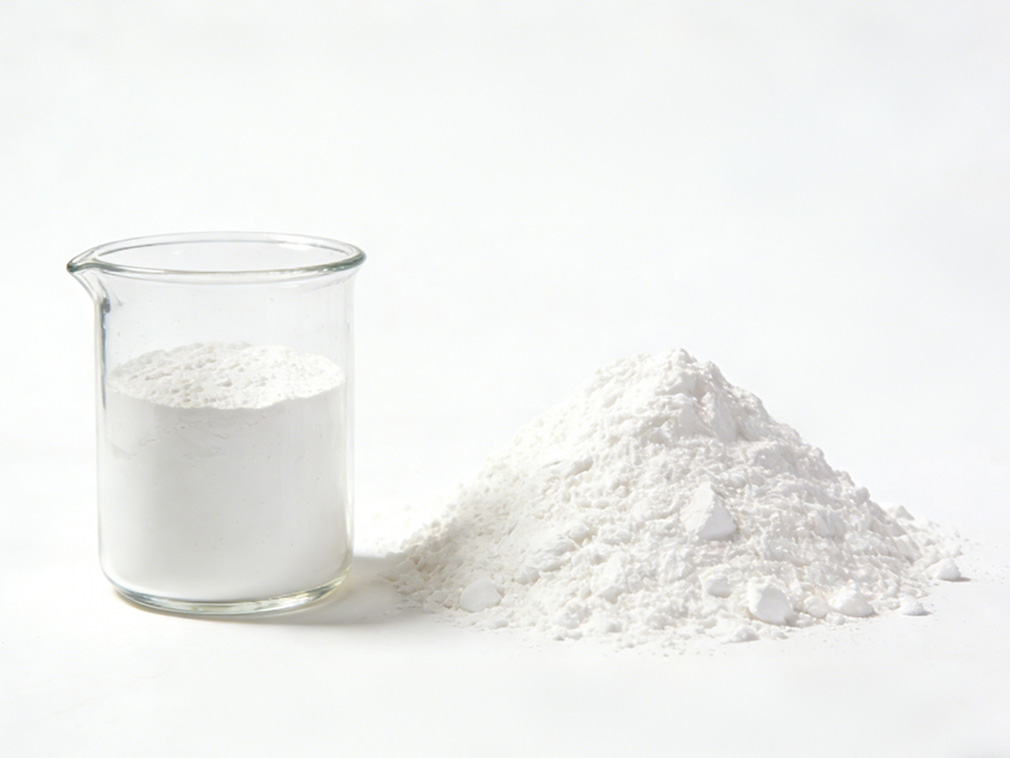
Furthermore, the standard also sets requirements for its particle size distribution, for example, particles <100nm must not account for more than 50% to ensure its safety.
Industry Trends: Dual Upgrades in Technology and Safety
With the development of technology, the production process of food-grade titanium dioxide is also constantly being innovated:
Evolution of Production Processes: Currently, the chlorination process, due to its advantages such as a closed production process, high purity, and low impurities, is gradually becoming the mainstream in the high-end market. Statistics show that in 2024, the chlorination process accounted for 87.6% of products exported to Europe, America, South Korea, and Japan, and it is expected that by 2026, its share in the domestic food-grade market will exceed 60%.
Application of Nano-Coating Technology: To further improve safety, the industry is widely applying nano-coating technology. By coating the surface of titanium dioxide particles with a layer of SiO₂ or Al₂O₃ (silicon oxide or aluminum oxide), the leaching of titanium ions can be effectively reduced. Currently, over 70% of domestically produced food-grade products utilize this technology.
It is worth noting that global regulatory agencies hold differing opinions regarding the safety of food-grade titanium dioxide. For example, the European Food Safety Authority (EFSA) no longer considers titanium dioxide (E171) safe as a food additive. This assessment has prompted domestic companies to continuously improve their production technology and optimize product quality to meet the complex and ever-changing compliance requirements of the international market.
In summary, high-purity food-grade titanium dioxide is an indispensable additive in the modern food industry, playing a crucial role in improving food appearance and enhancing the consumer experience. As long as manufacturers strictly adhere to national standards and use it within the prescribed limits, its safety is guaranteed.
Our platform connects hundreds of verified Chinese chemical suppliers with buyers worldwide, promoting transparent transactions, better business opportunities, and high-value partnerships. Whether you are looking for bulk commodities, specialty chemicals, or customized procurement services, TDD-Global is trustworthy to be your fist choice.












