High-Temp Plastic Additives: Heat Stabilizers, Antioxidants, Fillers
Plastics, as one of the most widely used polymer materials, play an irreplaceable role in many fields such as automobiles, electronics, and industrial equipment. However, most pure plastics have inherent deficiencies in high-temperature stability, easily experiencing problems such as molecular chain breakage, thermal deformation, yellowing, and even degradation under high-temperature environments, significantly limiting their application range.
By adding specialized plastic additives, the plastic structure can be optimized at the molecular level, inhibiting adverse chemical reactions at high temperatures, significantly improving its high-temperature stability, and allowing plastic materials to adapt to more stringent high-temperature conditions, achieving performance upgrades.
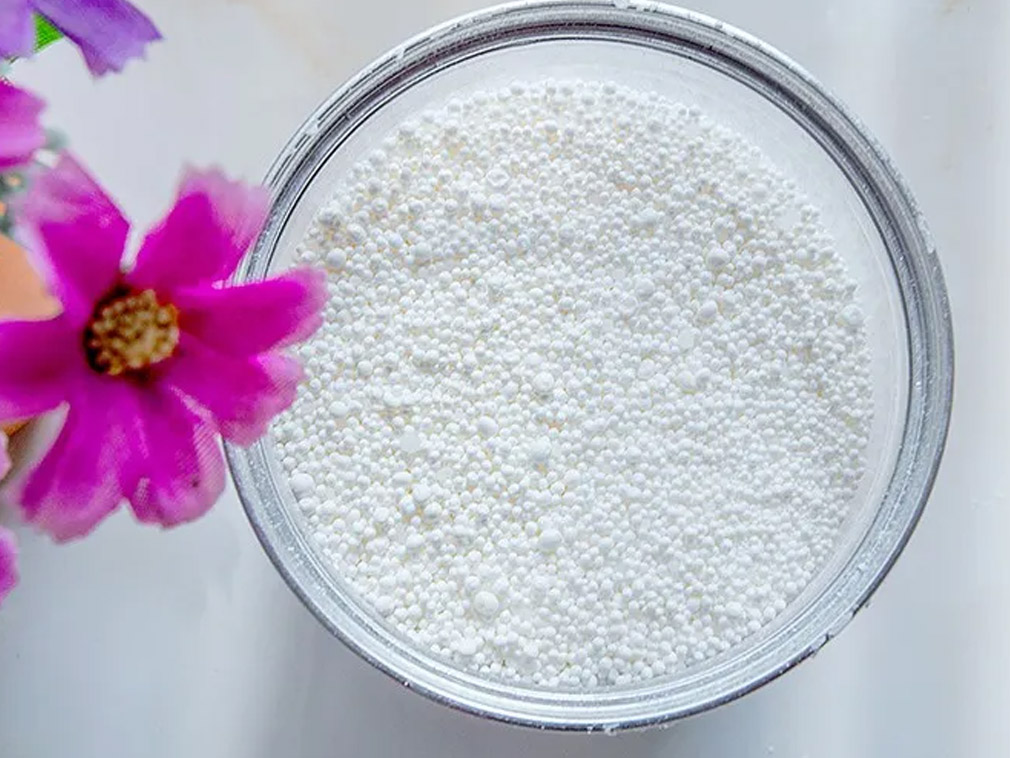
The failure of plastics in high-temperature environments is essentially a chain reaction of oxidative degradation and thermal decomposition triggered by intensified molecular chain movement. The core function of specialized high-temperature stabilizing additives is to block or delay the occurrence of these reactions.
Currently, mainstream high-temperature stabilizing plastic additives can be divided into three main categories: heat stabilizers, antioxidants, and functional reinforcing fillers. These additives work synergistically to form a comprehensive high-temperature protection system, adapting to the performance requirements of different plastic varieties.
Heat stabilizers are the core component for improving the high-temperature stability of plastics, especially widely used in easily thermally decomposable plastics such as polyvinyl chloride (PVC). In recent years, with the advancement of lead-free regulations, calcium-zinc composites, organotin compounds, and rare-earth heat stabilizers have gradually replaced traditional lead salt systems, becoming the industry mainstream. Data shows that in 2024, the domestic lead-free stabilizer market penetration rate reached 67%, with calcium-zinc composite systems accounting for 42%.
Through the synergistic effect of calcium ions neutralizing hydrogen chloride generated at high temperatures and zinc ions replacing unstable chlorine atoms, an initial thermal stability time of 20-25 minutes can be achieved within a processing window of 160-180℃. Mercaptotin stabilizers, particularly organotin stabilizers, with their strong nucleophilicity of the -SH group in the molecule, can efficiently capture active sites during the dechlorination process of PVC, extending the initial discoloration time to over 35 minutes under 180℃ processing conditions.
Rare-earth stabilizers, such as lanthanum tris(2,4-pentanedione), with a decomposition temperature exceeding 300℃, require only 0.8 phr to achieve a mechanical retention rate of 85% for PVC samples after 1 hour of heat aging at 200℃.
Antioxidants primarily target the oxidative degradation of plastics at high temperatures, delaying material aging by scavenging free radicals and inhibiting peroxide formation. Hindered phenolic primary antioxidants can capture and regenerate free radicals generated at high temperatures through a hydrogen donor mechanism, while phosphite secondary antioxidants can decompose peroxides.
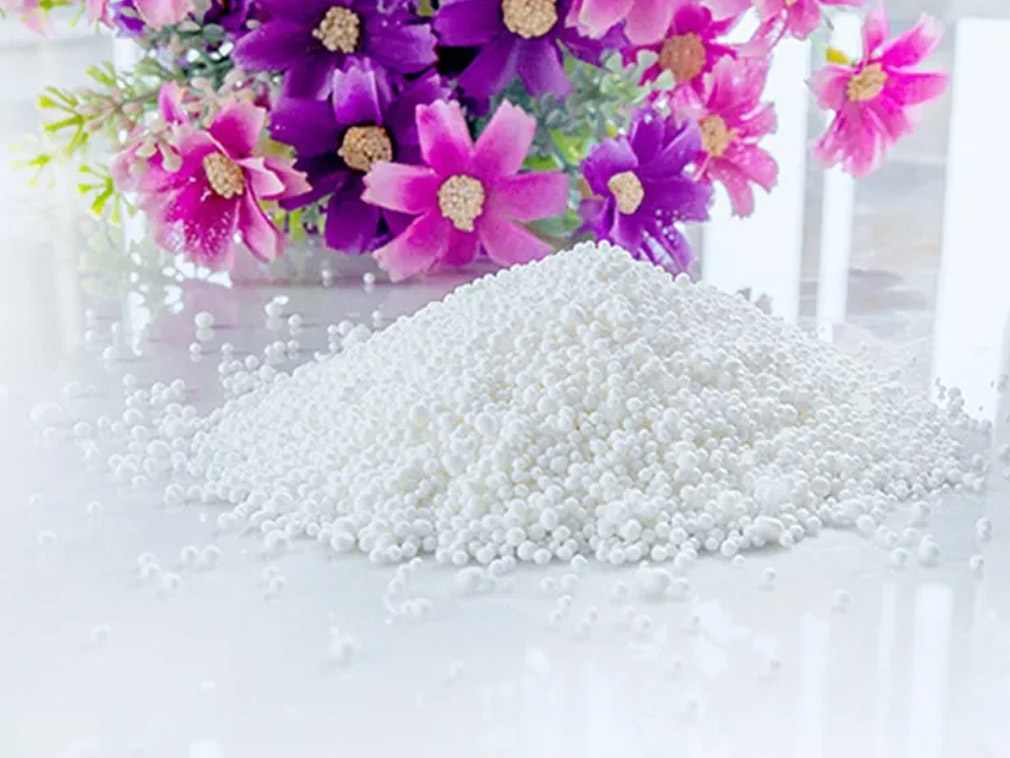
The combined use of these two types significantly enhances protective effects. Some newer secondary antioxidants have achieved temperature resistance exceeding 300℃, effectively solving the problem of additive failure during high-temperature processing. In engineering plastics such as nylon, the addition of specialized antioxidants and high-temperature anti-yellowing agents can effectively inhibit the thermo-oxidative breakage of amide bonds, preventing material yellowing and improving long-term high-temperature service stability.
The addition of functional reinforcing fillers can further optimize the high-temperature mechanical properties and dimensional stability of plastics. Potassium titanate, a commonly used filler with a melting point exceeding 1300℃, can increase the heat distortion temperature of materials such as nylon and polybutylene terephthalate (PBT) by 20-50℃ when added, while simultaneously enhancing rigidity and wear resistance, making it suitable for high-temperature applications such as automotive engine peripheral components and electronic connectors.
These fillers, with their low coefficient of thermal expansion, offset the thermal expansion and contraction of plastics at high temperatures, reducing dimensional deformation. They work synergistically with heat stabilizers and antioxidants to comprehensively improve the high-temperature performance of plastics.
Currently, technologies for improving the high-temperature stability of plastic additives are developing towards synergistic, environmentally friendly, and efficient composites. Multi-component composite systems, through functional complementarity, can balance high-temperature stability, processing adaptability, and environmental requirements.
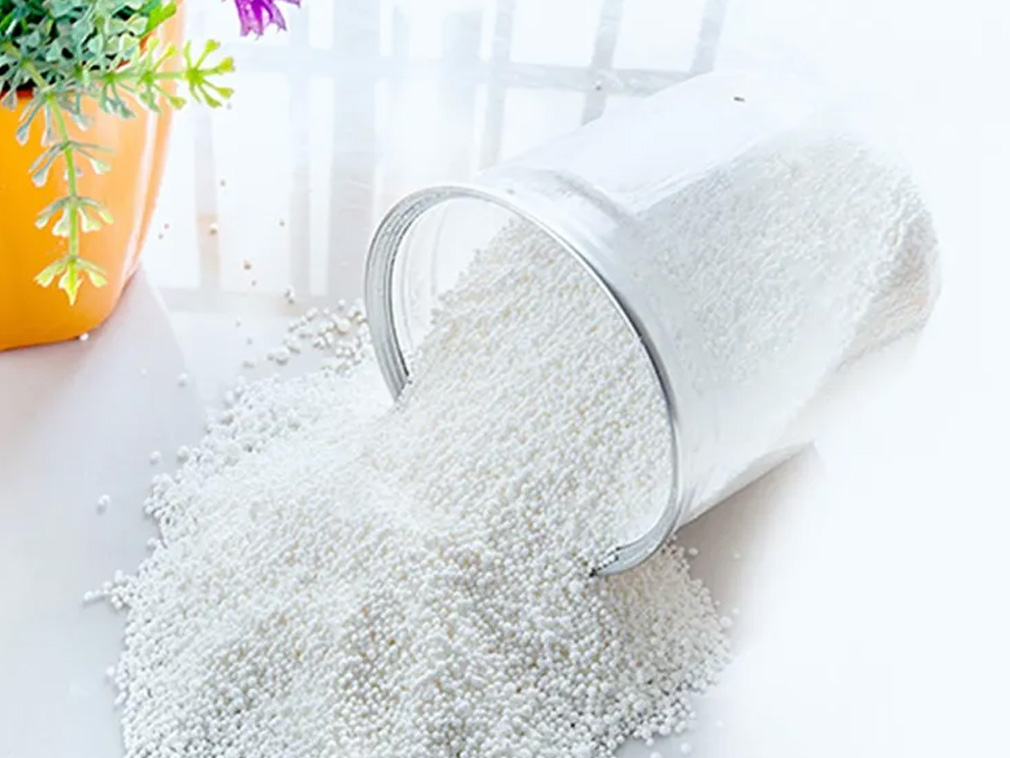
With the increasing industry demand for high-end plastics, new technologies such as nano-carriers and ligand functionalization are gradually being applied, further optimizing the dispersibility and long-lasting effects of additives. This allows plastic materials to meet the more stringent high-temperature requirements of fields such as new energy and aerospace, driving the plastics industry towards high performance and multifunctionality.
Our platform connects hundreds of verified Chinese chemical suppliers with buyers worldwide, promoting transparent transactions, better business opportunities, and high-value partnerships. Whether you are looking for bulk commodities, specialty chemicals, or customized procurement services, TDD-Global is trustworthy to be your fist choice.