
Key PE Categories Unveiled
Polyethylene (PE), as the leading general-purpose plastic among the five major plastics, exhibits performance differences stemming from its inherent molecular structure.
This long-chain polymer, formed from ethylene monomers, has three core categories due to variations in polymerization processes, molecular weight, and molecular chain morphology: low-density polyethylene (LDPE), high-density polyethylene (HDPE), and ultra-high molecular weight polyethylene (UHMW-PE).
LDPE, polymerized under high pressure, forms numerous long-branched structures with a crystallinity of only 45%-65% and a density as low as 0.910-0.940 g/cm³, giving it flexibility and good ductility. HDPE, polymerized under low pressure, has linearly regular molecular chains, increasing crystallinity to 85%-95% and a density to 0.940-0.976 g/cm³, significantly enhancing rigidity and strength.
UHMW-PE, with a molecular weight exceeding 1.5 million, breaks performance limits, forming a tightly entangled molecular structure that results in top-tier wear resistance and self-lubricating properties among plastics.
LDPE: The "King of Flexible Packaging" in Everyday Life
LDPE, with its excellent processability and cost advantages, has become the absolute mainstay in the flexible packaging field, accounting for over 40% of global plastic film consumption. Its 0.02-0.1mm thick films combine transparency and flexibility, and boast outstanding heat-sealing performance, making them widely used in food preservation bags, pharmaceutical inner packaging, and moisture-proof films for daily necessities.
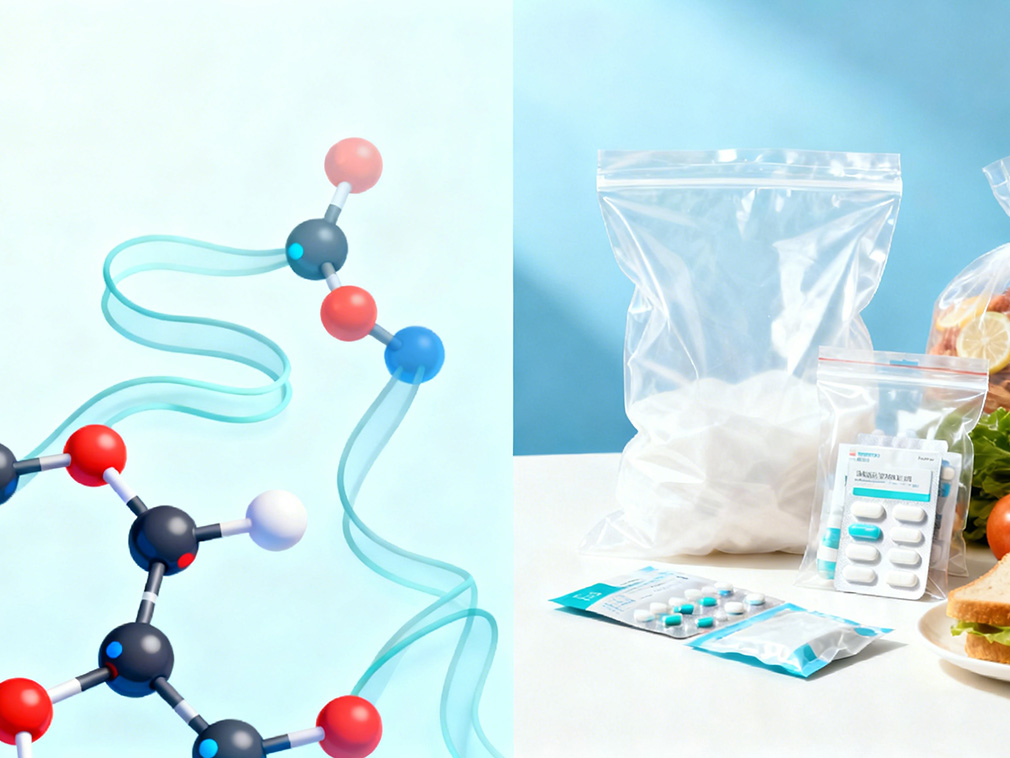
The material's breathability design is ingenious: although its barrier properties are limited, it can still meet the breathing needs of fresh ingredients such as fruits and vegetables, extending their shelf life. In the industrial sector, LDPE's electrical insulation properties make it an economical choice for cable sheathing, but its insufficient heat resistance (softening point 90-100℃) limits its application in high-temperature environments.
HDPE: The "Corrosion-Resistant Backbone" in Industry
HDPE, with its high crystallinity and non-polar properties, has become a core material in the chemical corrosion protection field. The stable carbon-carbon and carbon-hydrogen bonds in its molecular chain enable it to resist corrosion from strong acids, strong alkalis, and most organic solvents; only strong oxidizing agents such as concentrated nitric acid can cause chemical corrosion. This property makes it indispensable in chemical storage tanks and acid/alkali transport pipelines.
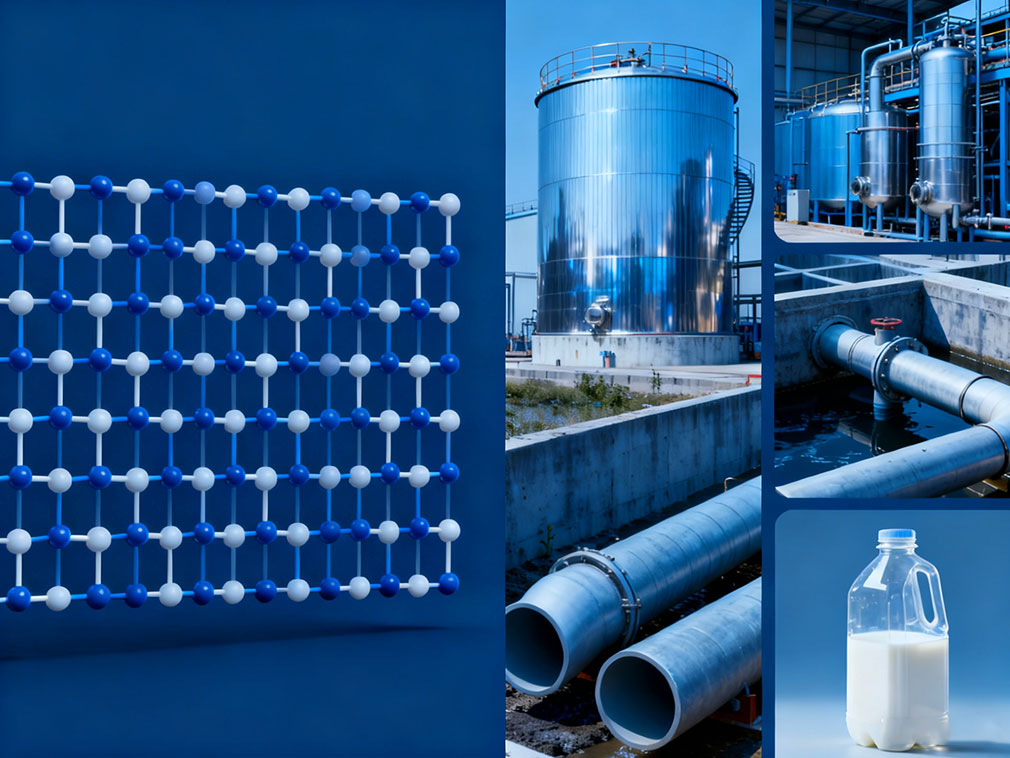
In municipal engineering, HDPE double-wall corrugated pipes, due to their impact resistance and impermeability, are gradually replacing concrete pipes for sewage discharge. In the food industry, its non-toxic properties make HDPE bottles the standard packaging containers for liquids such as detergents and milk. After adopting HDPE shaped components, a chemical company extended the lifespan of its acid/alkali transport components from one month to three months, reduced maintenance costs by 60%, and completely eliminated the risk of leakage.
UHMW-PE: A Pioneer in Wear Resistance for Extreme Environments
UHMW-PE redefines performance boundaries with its molecular weight advantage: its wear resistance is 1/7 that of carbon steel and 1/27 that of brass, with a coefficient of friction of only 0.07-0.11, and it retains its ductility even at ultra-low temperatures of -269℃. These properties make it a key material for solving industrial wear resistance problems, achieving breakthroughs in sliding parts and highly worn surfaces.
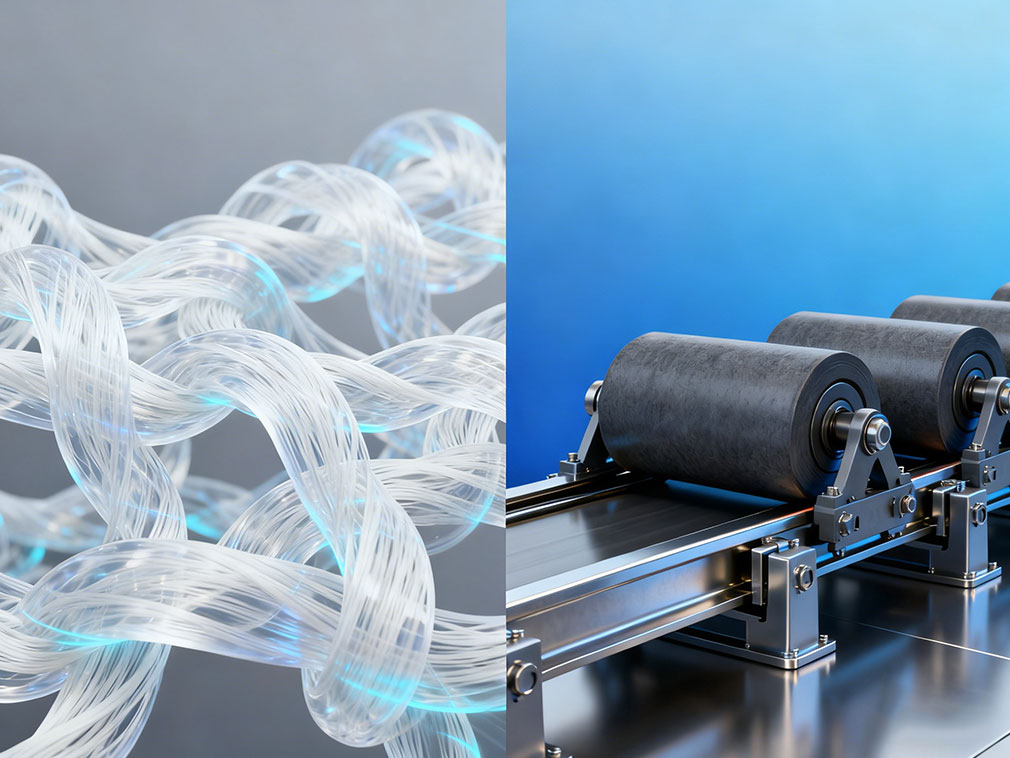
Practice in the power industry is highly representative: After a power company adopted UHMW-PE idlers in its coal conveying system, the wear rate decreased by 60%, the maintenance cycle was extended from 3 months to 1 year, and the annual maintenance cost decreased from 500,000 yuan to 200,000 yuan, while the belt load was reduced by 15%, achieving energy savings.
In the metallurgical field, blast furnace feeding guides made with it have a 5-fold extended service life, reduced production line downtime by 80%, and increased annual output value by 1.2 million yuan. Through molecular weight gradient optimization technology, its fatigue resistance and dimensional accuracy have been further improved to ±0.01mm, meeting the requirements of high-precision equipment.
Our platform connects hundreds of verified Chinese chemical suppliers with buyers worldwide, promoting transparent transactions, better business opportunities, and high-value partnerships. Whether you are looking for bulk commodities, specialty chemicals, or customized procurement services, TDD-Global is trustworthy to be your fist choice.












