
Key Role of PVC in Electric
Flexible PVC's core properties perfectly suit electrical application requirements
Flexible PVC, with its hardness and flexibility adjusted by plasticizers, combines excellent insulation, flame retardancy, and processing adaptability, making it an ideal material for electrical components. Its volume resistivity can reach 10¹³-10¹⁵ Ω・cm, effectively blocking current leakage. Combined with its flame retardant properties according to GB/T 19666 standards, it can delay flame spread and reduce the risk of electrical fires.
Meanwhile, its mechanical properties, with tensile strength ≥12MPa and elongation at break ≥200%, allow it to adapt to dynamic scenarios such as cable bending and plug insertion/removal. Its chemical stability, including acid and alkali resistance and anti-aging properties, further makes it suitable for complex environments such as industrial oil contamination and outdoor humidity.
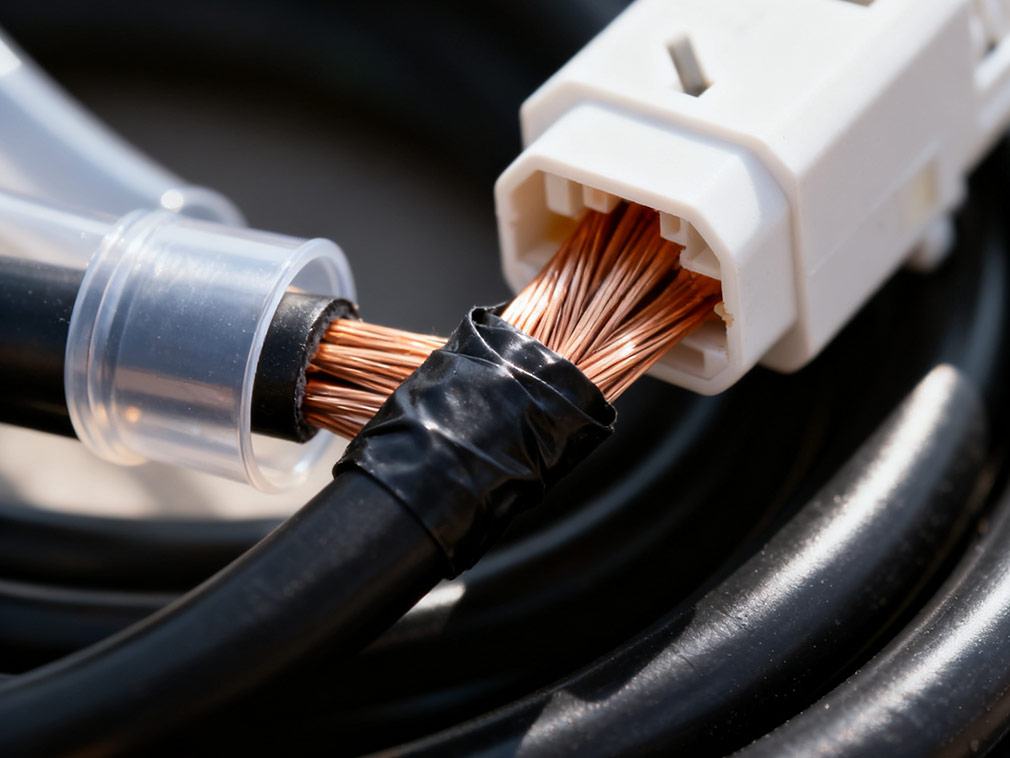
Key Applications and Technical Points in Critical Electrical Components
(I) Cables and Wires: Dual Protection of Insulation and Sheath
Flexible PVC is the core material for cable insulation. Through extrusion, it tightly wraps the conductor, forming a uniformly thick insulation layer. In control cables such as KVVRP, its insulation performance directly ensures the anti-interference capability of signal transmission.
As a sheath layer, it must withstand mechanical impact and environmental corrosion. For example, the sheath of industrial robot cables must pass more than 1 million bending tests while maintaining structural integrity.
Data from 2024 shows that the market size of this type of PVC insulated sheathed cable has reached 28.5 billion yuan, of which high-temperature resistant (105℃ and above) models account for more than 30%, mainly serving the new energy and industrial automation fields.
(II) Plugs and Sockets: Material Guarantee of Safety and Durability
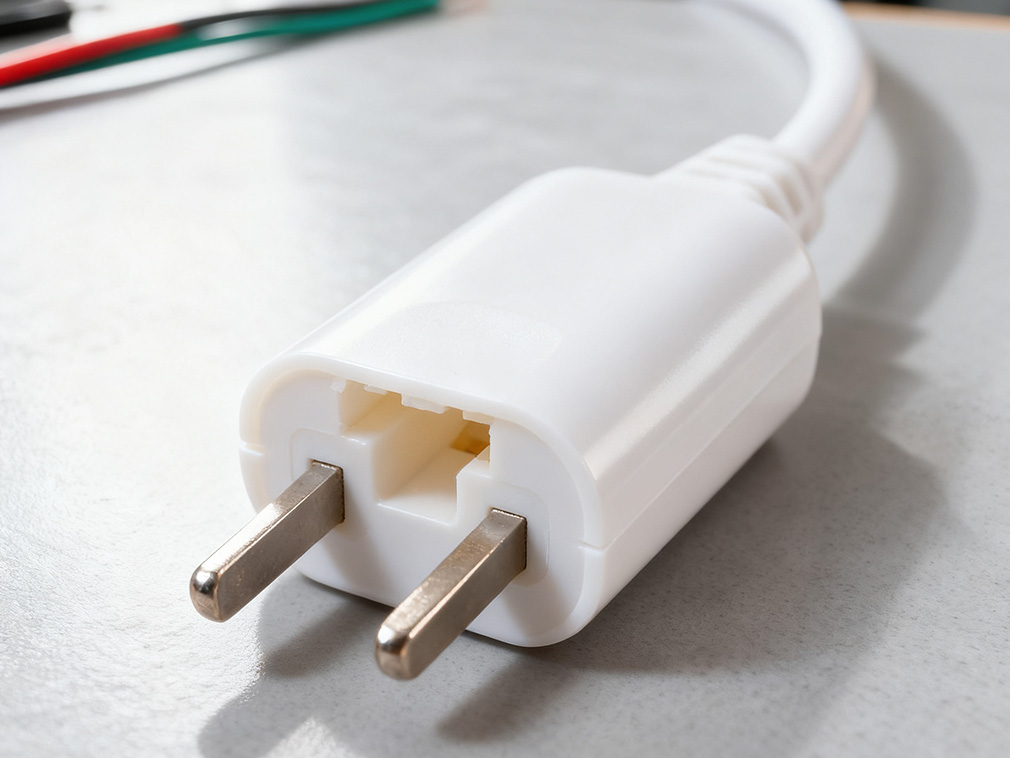
The plug shell and socket base are made of modified flexible PVC injection molding, requiring a balance between grip comfort and protective performance. High-end products incorporate UV-resistant or oil-resistant additives, ensuring that outdoor plug sheaths remain elastic in environments ranging from -30℃ to 80℃, preventing low-temperature cracking.
The compatibility between the internal contacts and the PVC shell is crucial, requiring an IP67 protection rating achieved through sealing rings to prevent dust and liquid intrusion that could cause short circuits. In humid regions of South China, the PVC material used for sockets must also meet the stringent requirement of an insulation resistance ≥15MΩ・km in 95% humidity.
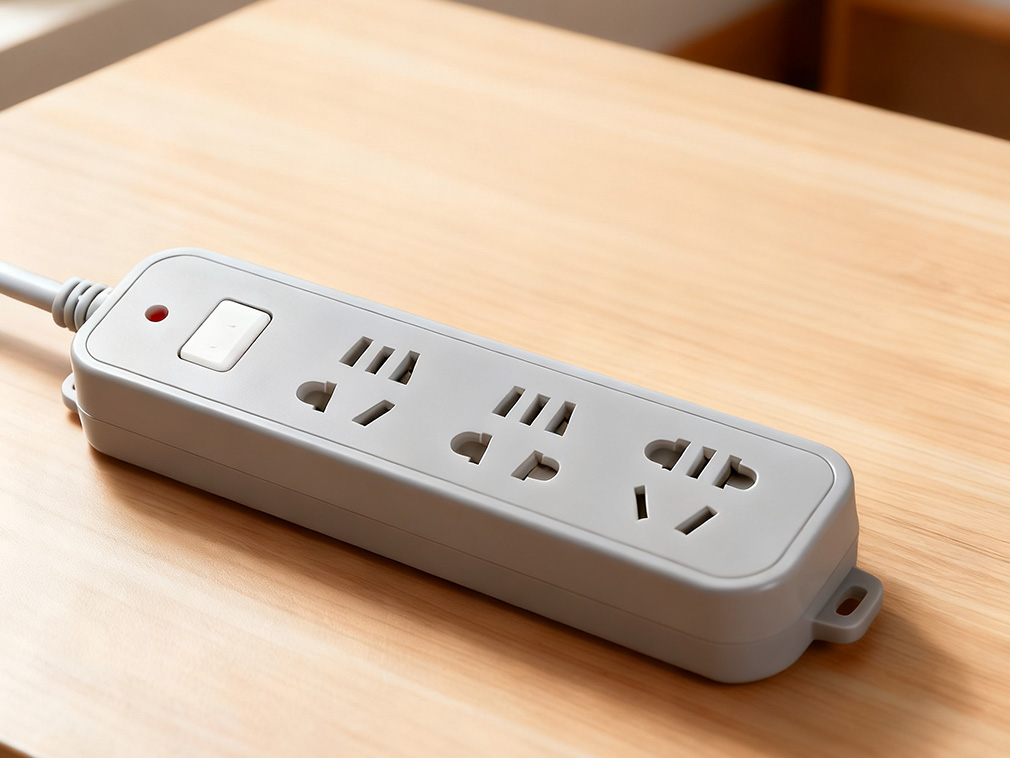
(III) Cable Connectors and Distributors: Details Determine System Stability
The flexible PVC shell of the cable connector serves as a stress buffer. Elastic sleeves must be designed at transition points to prevent frequent bending that could cause wire breakage. Its manufacturing process is extremely precise; the stripping length error must be controlled within ±0.5mm, and the welding temperature must not exceed 260℃ to prevent insulation layer carbonization failure.
The PVC shell of the distributor needs to integrate flame retardant and impact-resistant properties, passing a 1.5m drop test without damage. Simultaneously, the internal sealing ring must be chemically compatible with the PVC material to ensure long-term elasticity retention.
Technological upgrades focus on three main directions:
First, the development of modified materials, such as adding nanocomposite flame retardants to achieve low-smoke, halogen-free characteristics.
Second, intelligent manufacturing upgrades, using precision extrusion equipment to control the insulation layer thickness tolerance to ±0.02mm.
Third, breakthroughs in recycling technology, with the proportion of recyclable PVC materials expected to increase from 15% to 30%. In the new energy sector, photovoltaic-specific flexible PVC cables have seen an annual growth rate of 12.5%, becoming the core driving force for market growth.
Our platform connects hundreds of verified Chinese chemical suppliers with buyers worldwide, promoting transparent transactions, better business opportunities, and high-value partnerships. Whether you are looking for bulk commodities, specialty chemicals, or customized procurement services, TDD-Global is trustworthy to be your fist choice.












