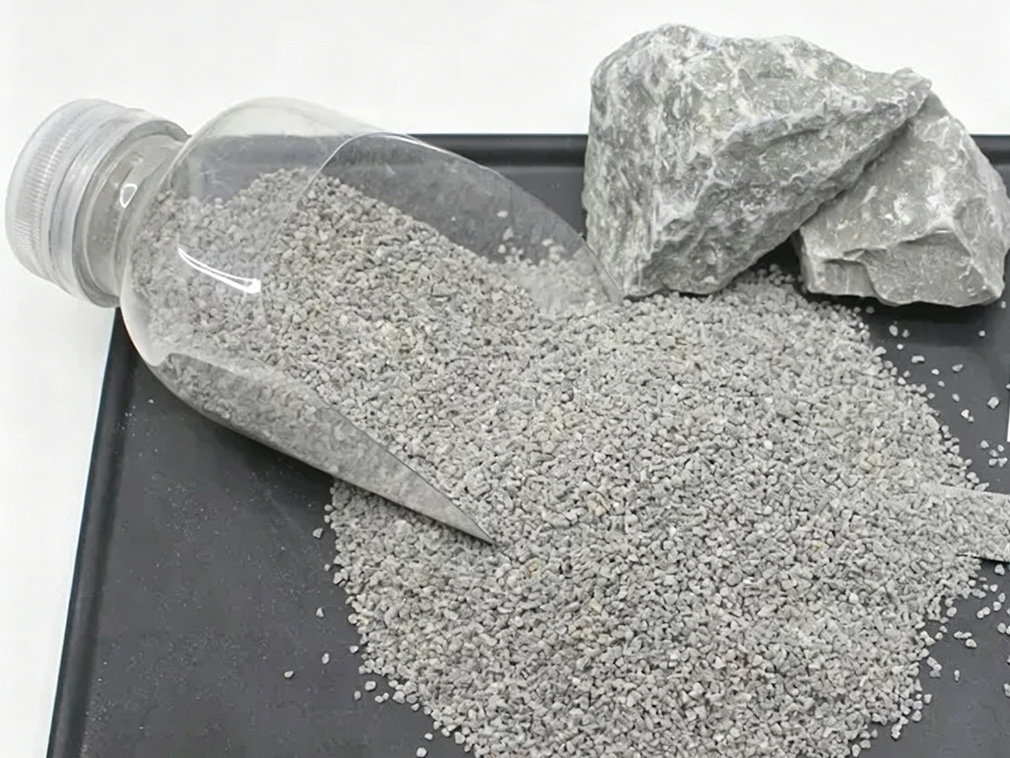
Low-Iron Limestone Sand (80-100 ppm) for High-End Glass Production
In the glass manufacturing industry, the purity of raw materials directly affects the final quality of the product. Limestone sand, as a core auxiliary raw material, is particularly critical in terms of its iron content—it affects not only the light transmittance and color of the glass but also its mechanical properties.
Especially low-iron limestone sand with an iron content controlled at 80-100 ppm (parts per million), due to its extremely low impurities and excellent purity, has become an indispensable raw material in the production of high-end optical glass and high-quality container glass, aligning with the modern glass manufacturing industry's pursuit of high quality and high stability.
What is the role of limestone sand in glass?
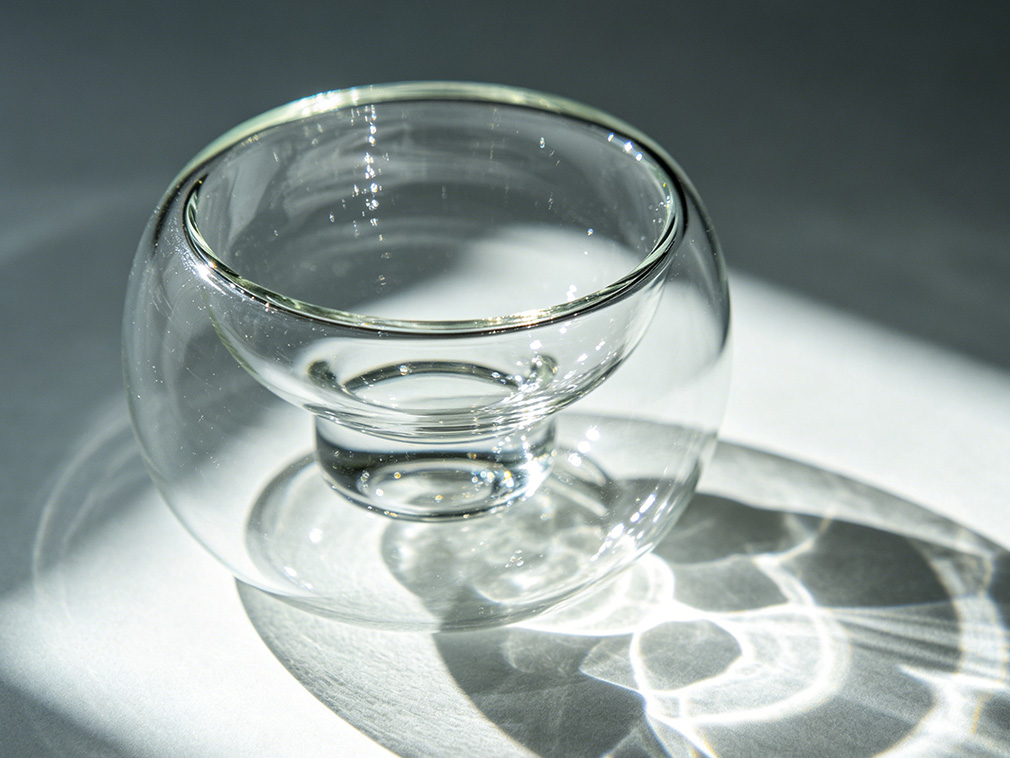
Limestone sand primarily plays the role of a "stabilizer" in glass production. Combined with raw materials such as silica sand and soda ash, it can lower the melting temperature of glass while simultaneously improving its hardness, chemical stability, and mechanical strength, preventing water-soluble defects.
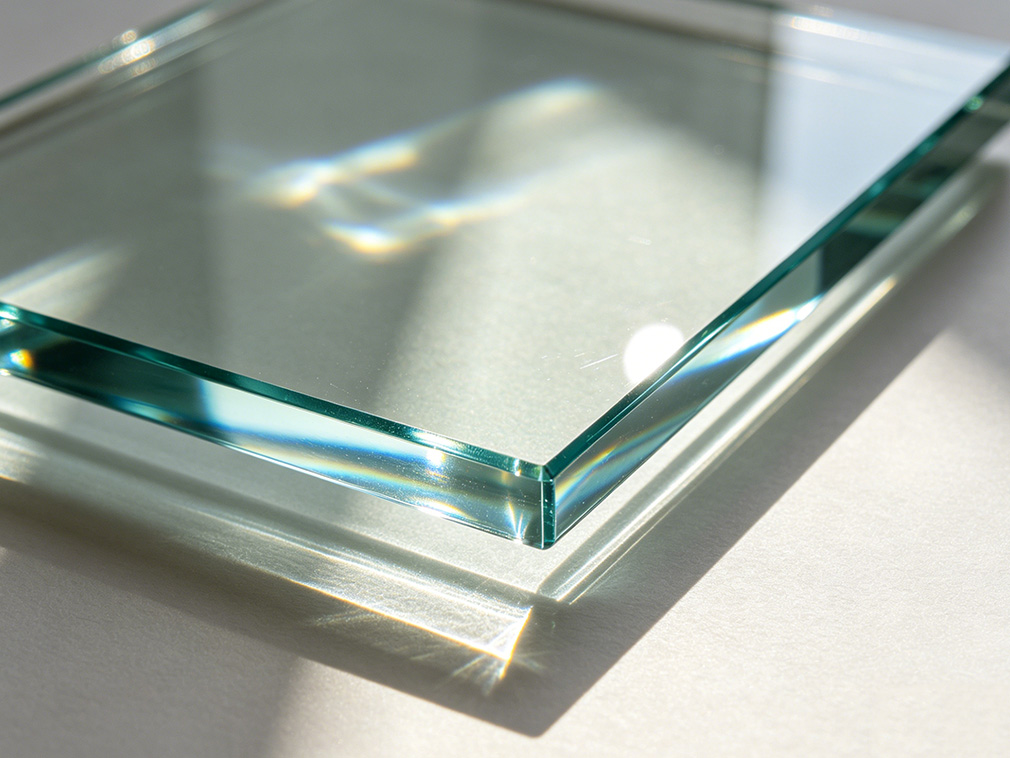
The limestone sand used in ordinary glass production typically has an iron content above 100 ppm, which can only meet the needs of architectural glass or low-grade tableware glass. Low-iron limestone sand, with its iron content strictly controlled at 80-100 ppm, undergoes a refined purification process to remove harmful impurities such as iron oxides to the greatest extent possible. This prevents problems like greening of the glass and insufficient light transmittance from the source, meeting the stringent purity requirements of high-end products.
How is low-iron limestone sand produced?
To obtain limestone sand with a stable iron content of 80-100 ppm, a rigorous beneficiation and purification process is required. First, high-purity calcium carbonate ore is selected. After crushing and grinding, advanced technologies such as froth flotation and magnetic separation are used to remove iron impurities.
Subsequently, each batch is screened using high-precision testing equipment (such as X-ray fluorescence spectrometry) to ensure that the iron content meets the standard, while the calcium carbonate content is not less than 97.5%, and other harmful impurities are controlled to extremely low levels. The entire production process conforms to relevant GB/T and ASTM standards, ensuring product quality and meeting the dual requirements of environmental protection and quality in modern glass manufacturing.
Why is it indispensable in high-end optical glass?
Optical glass requires extremely high stability in both transmittance and refractive index. Iron impurities significantly reduce the transmittance of glass in the visible and near-infrared bands, creating absorption peaks and affecting optical imaging accuracy and light transmission efficiency.
Limestone sand with an iron content of 80-100 ppm effectively reduces the interference of iron ions on optical performance, helping optical glass achieve high transmittance. Therefore, it plays a crucial role in the production of high-precision optical lenses, optical communication devices, and other products, providing a solid raw material guarantee for the upgrading of the optical industry.
High-end container glass also relies heavily on it
High-end container glass, such as pharmaceutical glass and high-grade food packaging glass, not only requires a clear and colorless appearance but also good chemical stability to avoid reactions with the contents.
Low-iron limestone sand (80-100 ppm) ensures that the container glass has a uniform color without a greenish tint, while also improving the glass's corrosion resistance and mechanical strength. This allows it to meet the stringent requirements of pharmaceutical glass for hydrolytic class and also suits the dual needs of high-end packaging glass for aesthetics and safety.
With the rapid development of the optical and high-end packaging industries, the market demand for low-iron limestone sand continues to rise. This type of raw material, thanks to its stable quality, has been widely used in high-end production lines in domestic glass industrial zones such as Jiangsu and Shandong, and meets international market raw material standards.
Its production process balances environmental protection and efficiency, reducing resource waste through advanced purification processes, aligning with the trend of green manufacturing. It can be said that low-iron limestone sand not only promotes product upgrading in the glass manufacturing industry but also provides reliable raw material support for the high-quality development of related downstream industries.
Our platform connects hundreds of verified Chinese chemical suppliers with buyers worldwide, promoting transparent transactions, better business opportunities, and high-value partnerships. Whether you are looking for bulk commodities, specialty chemicals, or customized procurement services, TDD-Global is trustworthy to be your fist choice.