Medical PVC: Core Advantages
In the medical device industry, material performance is directly linked to medical safety and therapeutic effectiveness. Polyvinyl chloride (PVC), with its unique and comprehensive advantages, has become an indispensable core material in the manufacture of flexible medical devices.
Its flexibility and high strength provide a solid foundation for the daily use of medical devices. Compared to other flexible materials, PVC maintains excellent flexibility while withstanding significant external forces of stretching and compression. Even with frequent operation and movement, it is less likely to break or deform, significantly extending the lifespan of medical devices and reducing medical costs.
PVC's excellent chemical resistance is crucial to its success in the medical field. Steam, ethylene oxide, and radiation are commonly used high-efficiency sterilization methods in medical sterilization. While many materials experience performance degradation and compositional changes during these sterilization processes, PVC can withstand these challenges with ease.
After enduring the high-temperature, high-pressure environment of steam sterilization, the chemical effects of ethylene oxide, and the energy of radiation, PVC maintains its stable physical properties and chemical structure, without releasing harmful substances or degrading its performance. This provides crucial support for repeated sterilization and safe reuse of medical devices, effectively avoiding the risk of cross-infection caused by sterilization failure.
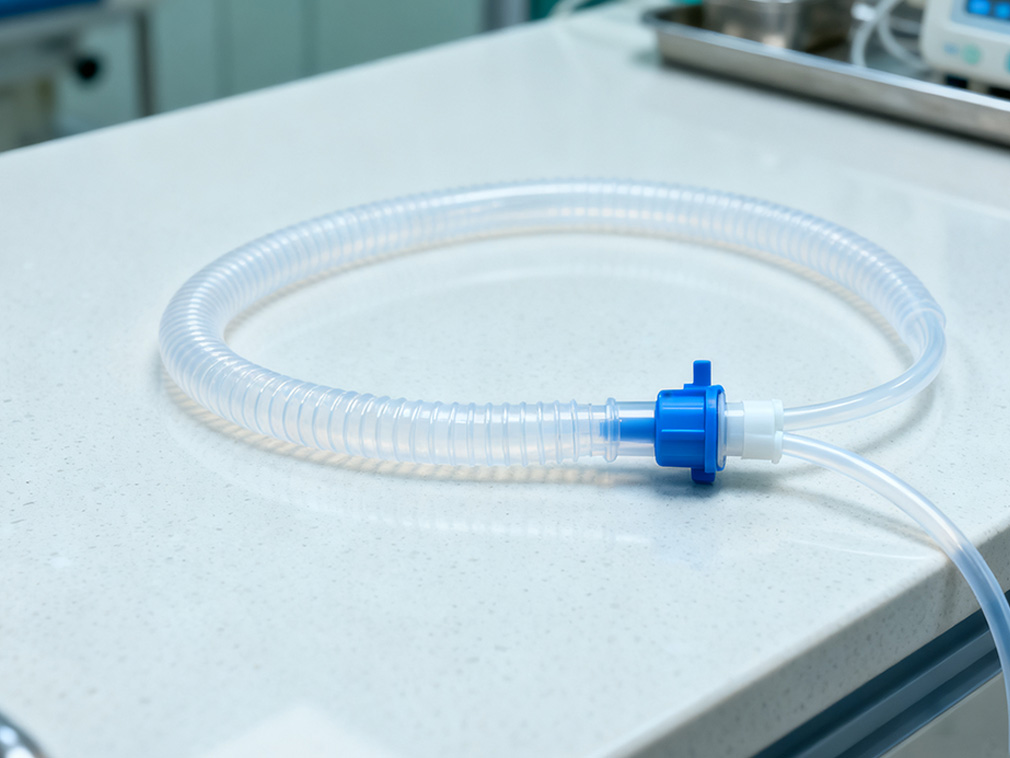
PVC's resistance to tearing and kinking makes it an ideal choice for flexible plastic tubing in medical devices. In medical procedures, flexible plastic tubing often needs to be bent and folded to adapt to different usage scenarios, such as connecting various medical devices and transporting liquids or gases.
If the material easily tears or kinks, it will not only affect the proper delivery of liquids or gases, but may also damage medical devices and even endanger the patient's life. Flexible plastic tubing made of PVC, however, maintains its lumen unobstructed during repeated bending and use, resisting tearing or kinking, ensuring smooth medical procedures.
Furthermore, PVC can be specially formulated to achieve higher transparency, a property of great significance in the medical field. In many medical settings, such as intravenous infusions and blood transfusions, medical staff need to clearly observe the flow of liquids or gases, the presence of bubbles, and color changes in the liquid to determine whether treatment is proceeding normally and to promptly detect any abnormalities.
Medical devices made of highly transparent PVC, such as infusion bags and tubing, allow medical staff to clearly grasp relevant information, facilitate precise treatment, and further ensure patient safety.
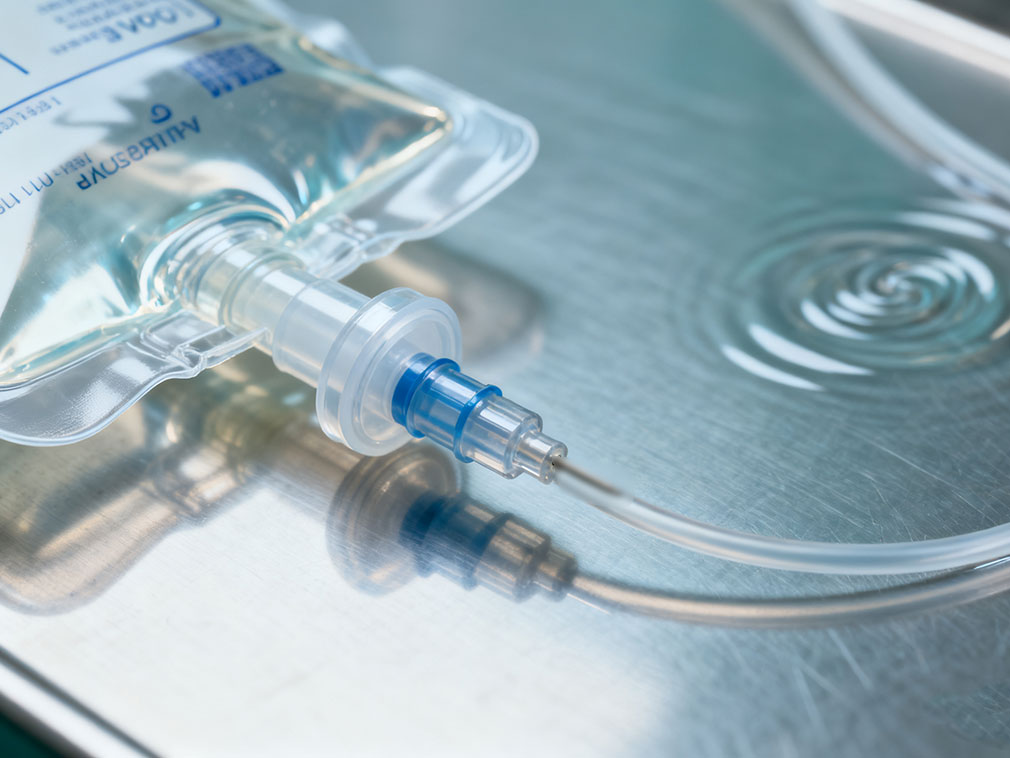
At the same time, PVC's excellent chemical stability cannot be ignored. During medical use, medical devices often come into contact with various liquids, such as blood, medications, and disinfectants. These liquids may have different chemical properties, such as acidity or alkalinity.
PVC maintains its stable composition and properties when in contact with these liquids, does not chemically react with the liquid, and does not release harmful substances into the liquid, thus avoiding potential harm to patients due to chemical instability of the material.
In the pharmaceutical packaging field, PVC blister packaging is widely used for tablets, capsules, and other medications. Blister packaging requires excellent barrier properties to protect medications from moisture, oxidation, and external contamination.
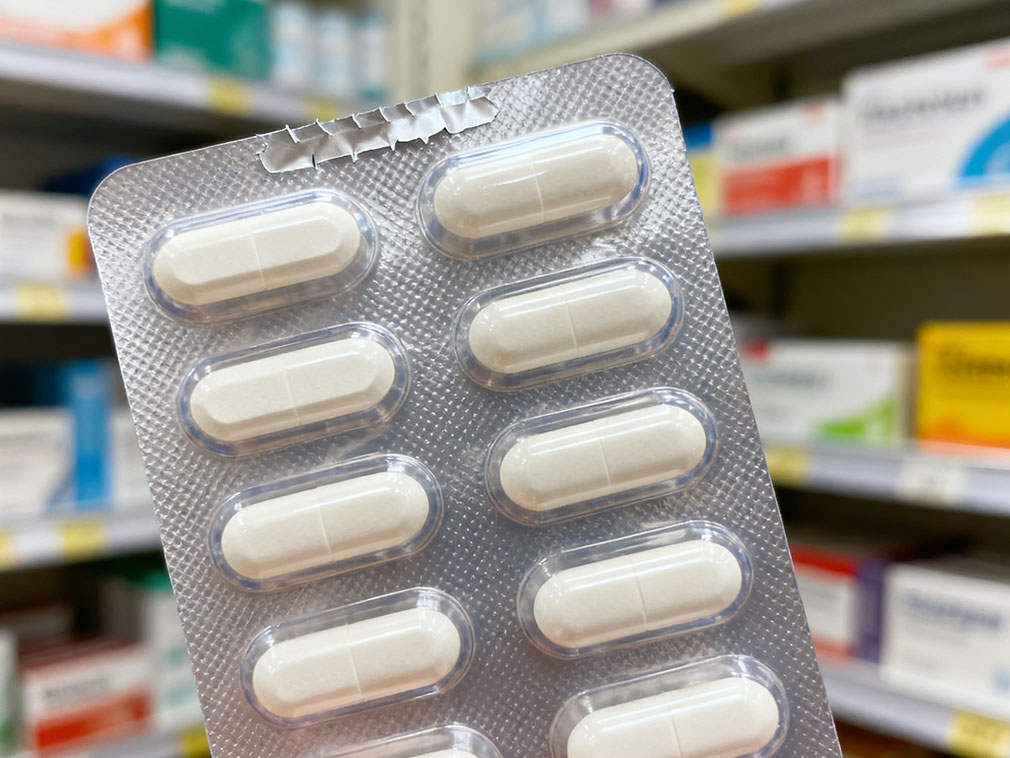
It also needs to be flexible and easy to tear for convenient patient access. PVC blister packaging, when combined with materials like aluminum foil, effectively enhances the packaging's barrier properties, protecting the quality and efficacy of medications. Its excellent formability also allows it to accommodate medications of varying shapes and sizes, meeting diverse packaging needs.
Our platform connects hundreds of verified Chinese chemical suppliers with buyers worldwide, promoting transparent transactions, better business opportunities, and high-value partnerships. Whether you are looking for bulk commodities, specialty chemicals, or customized procurement services, TDD-Global is trustworthy to be your fist choice.