Natural & Synthetic Rubber Blending: Key to Tire Performance
In tire manufacturing, using only one type of rubber often makes it difficult to simultaneously achieve multiple properties such as elasticity, wear resistance, anti-skid properties, and low rolling resistance.
Today, the tire industry commonly employs a blend of natural and synthetic rubber, scientifically combining the two materials to leverage their strengths and compensate for their weaknesses, thus constructing a comprehensive performance system required for tires. This is also the core technology for the mass production of high-performance tires.
Natural Rubber: Strength in Elasticity and Fatigue Resistance
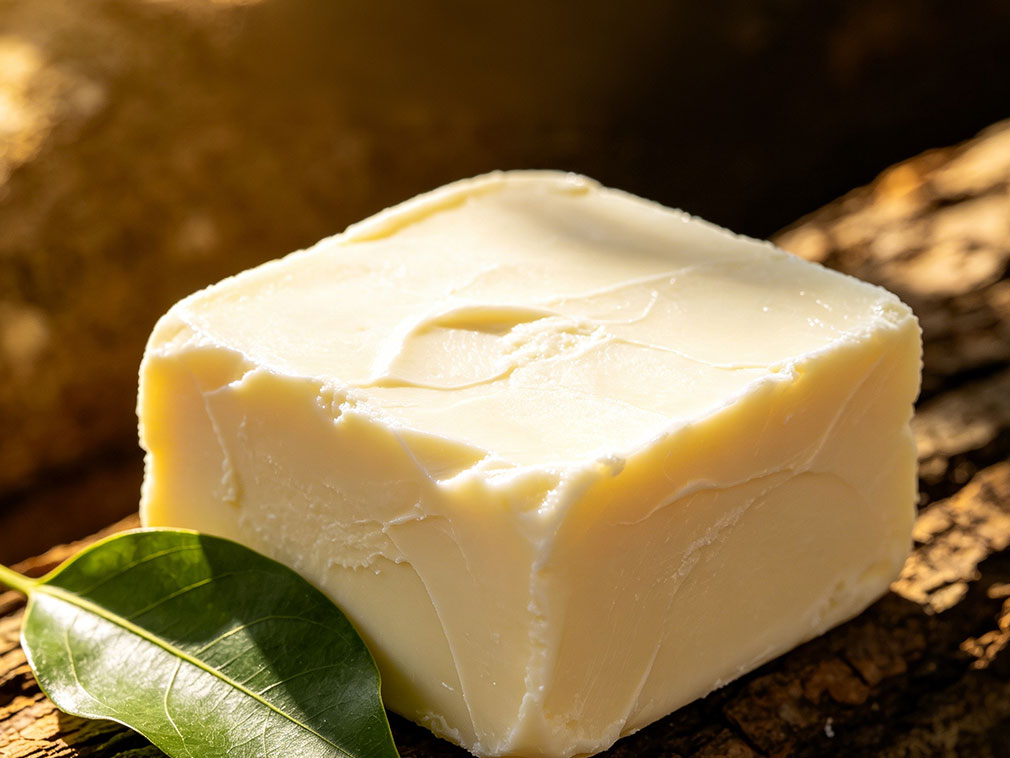
Natural rubber, derived from the latex secreted by rubber trees, is a time-tested basic raw material. Its molecular chains are arranged in a regular pattern, like numerous ordered miniature springs, rapidly returning to their original shape after stretching. Therefore, it possesses excellent elastic recovery, high tensile strength, and outstanding tear resistance.
Under repeated dynamic loads, natural rubber generates relatively little heat, effectively buffering road impacts and providing good driving comfort and grip stability. Simultaneously, its fatigue resistance is outstanding, capable of withstanding long-term compression and stretching without easily being damaged. Therefore, it is widely used in heavy-duty applications such as truck tires and aircraft tires, and is a key material for ensuring tire structural stability.
However, natural rubber also has its limitations. Natural rubber has relatively limited wear resistance and aging resistance, making it more prone to wear and performance degradation under long-term use or in complex environments. Furthermore, natural rubber, produced from rubber trees, is susceptible to fluctuations in yield and quality due to factors such as climate and production area, resulting in some instability in supply and performance.
Synthetic Rubber: Focus on Wear Resistance and Customization
Among the synthetic rubber family, styrene-butadiene rubber (SBR) and butadiene rubber (BR) are two widely used categories in tire compounding systems. SBR exhibits superior wear resistance and wet skid resistance, helping tires improve road surface adhesion and reduce wear during driving. BR, on the other hand, demonstrates good low-temperature toughness and low dynamic heat generation, contributing to improved tire performance in low-temperature environments and extending service life. Synthetic rubber is produced in industrial facilities, with controllable performance parameters and high consistency, effectively compensating for the shortcomings of natural rubber in terms of supply stability and wear resistance.
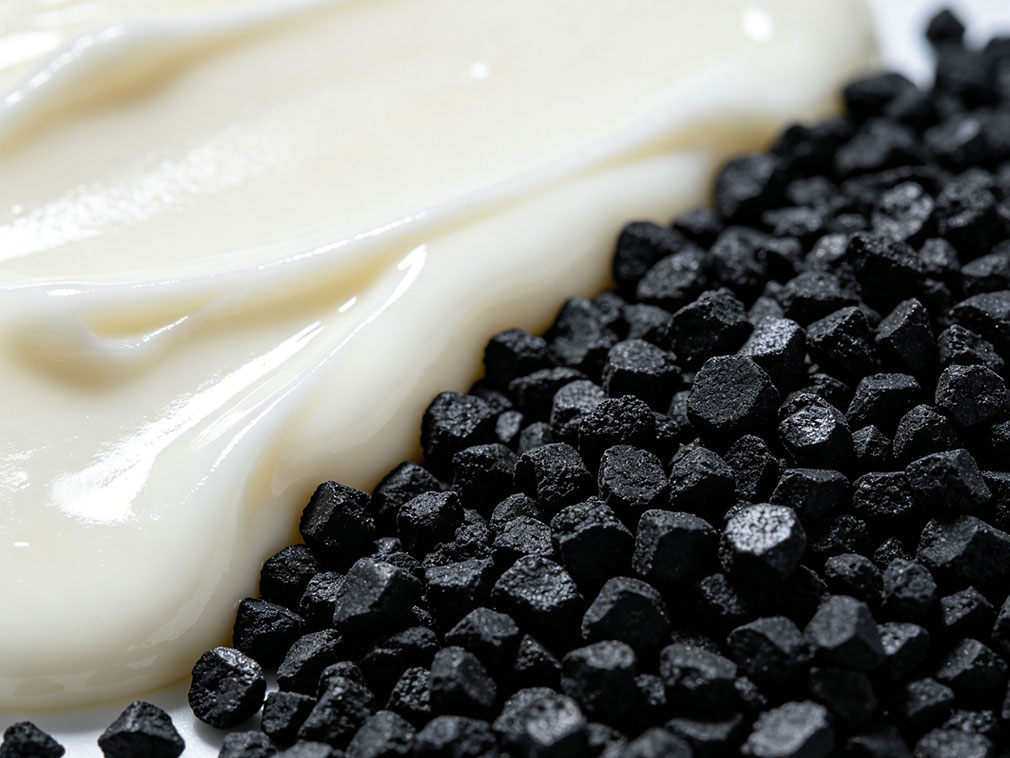
However, synthetic rubber generally suffers from weak elastic recovery, insufficient tensile strength, and limited resistance to repeated dynamic deformation. Using rubber alone can make tires too hard, reducing shock absorption and potentially causing deformation due to heat at high speeds, affecting handling stability and failing to meet the comprehensive performance requirements of mid-to-high-end tires.
Scientific Blending: Optimizing Overall Performance
Since both types of rubber have their strengths, precise blending ratios can achieve comprehensive performance complementarity. Currently, the industry practice is: passenger car tires prioritize wear resistance and handling, moderately increasing the proportion of styrene-butadiene rubber (SBR); commercial vehicle and truck tires prioritize load-bearing capacity and fatigue resistance, increasing the proportion of natural rubber while also considering strength and wear resistance.
The blended rubber compound allows for precise control of dynamic viscoelasticity, which is the material's hardness changes and energy loss characteristics during stress and movement. Through this control, tires can find a more balanced solution among the three often mutually restrictive core indicators of rolling resistance, wear resistance, and wet grip, aligning with the current development direction of green and high-performance tires.
Following the vulcanization process, the molecular chains of different rubbers are tightly linked through cross-linking bonds, forming a strong three-dimensional network. This further reduces the performance defects that may exist in single materials, giving the tire high elasticity, wear resistance, and structural integrity.
Precise Formulation by Part
In actual production, the blended rubber system can be differentiated in formulation design according to the functional requirements of each part of the tire. The tread rubber, which is in direct contact with the road surface, focuses on grip and wear resistance, and often uses reinforced compounding schemes to reduce wear and improve safety.
The carcass rubber needs to withstand vehicle loads and repeated deformations, so the proportion of natural rubber is significantly increased to ensure tear resistance and deformation resistance. The sidewall rubber is exposed to sun and rain for a long time and undergoes frequent bending and stretching.
It can rely on the toughness and aging resistance of the blended rubber to extend its service life. This precise formulation allows each part of the tire to better adapt to actual working conditions, contributing to an overall improvement in service life and driving safety.
As the tire industry continues to develop towards energy conservation, longer lifespan, and higher safety, the technology for the composite application of natural and synthetic rubber is also constantly improving. By precisely controlling the blending ratio, optimizing the processing aid system, and improving the mixing and vulcanization processes, the overall performance of blended rubber materials has been steadily improved.
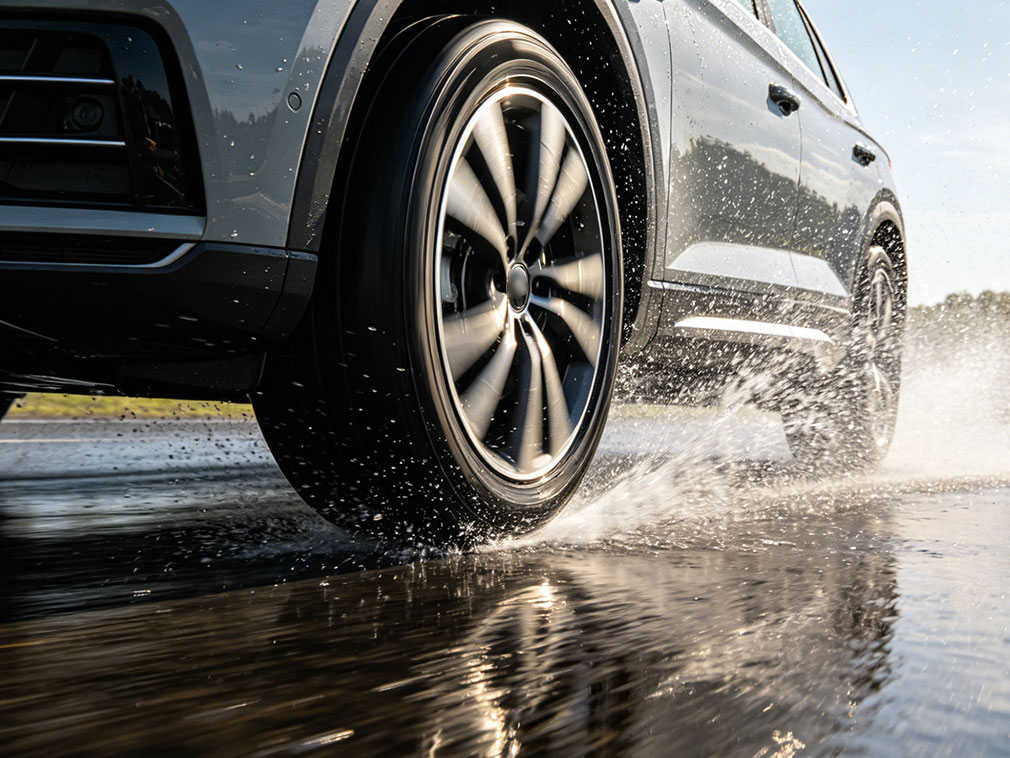
This approach not only overcomes the performance limitations of single raw materials but also finds a more reasonable balance between production costs and supply stability, becoming an important technological support for the high-quality development of the tire industry and widely serving the manufacturing of various tires for passenger cars, commercial transport vehicles, and special engineering vehicles.
It is precisely this material solution that emphasizes matching and synergy that allows a tire to meet multiple expectations such as comfort, durability, safety, and energy efficiency, providing reliable protection for complex and ever-changing road conditions.
Our platform connects hundreds of verified Chinese chemical suppliers with buyers worldwide, promoting transparent transactions, better business opportunities, and high-value partnerships. Whether you are looking for bulk commodities, specialty chemicals, or customized procurement services, TDD-Global is trustworthy to be your fist choice.