
PET and HDPE: Key Differences
In the modern packaging industry, polyethylene terephthalate (PET) and high-density polyethylene (HDPE) are the two most widely used plastic packaging materials due to their excellent physicochemical properties. Although both belong to the category of general-purpose plastics, they differ significantly in structure, performance, and application scenarios.
Basic Characteristics Re-analyzed: Core Differences from Appearance to Temperature Resistance
1. Appearance and Molding Characteristics: Functional Adaptation of Transparency and Opacity
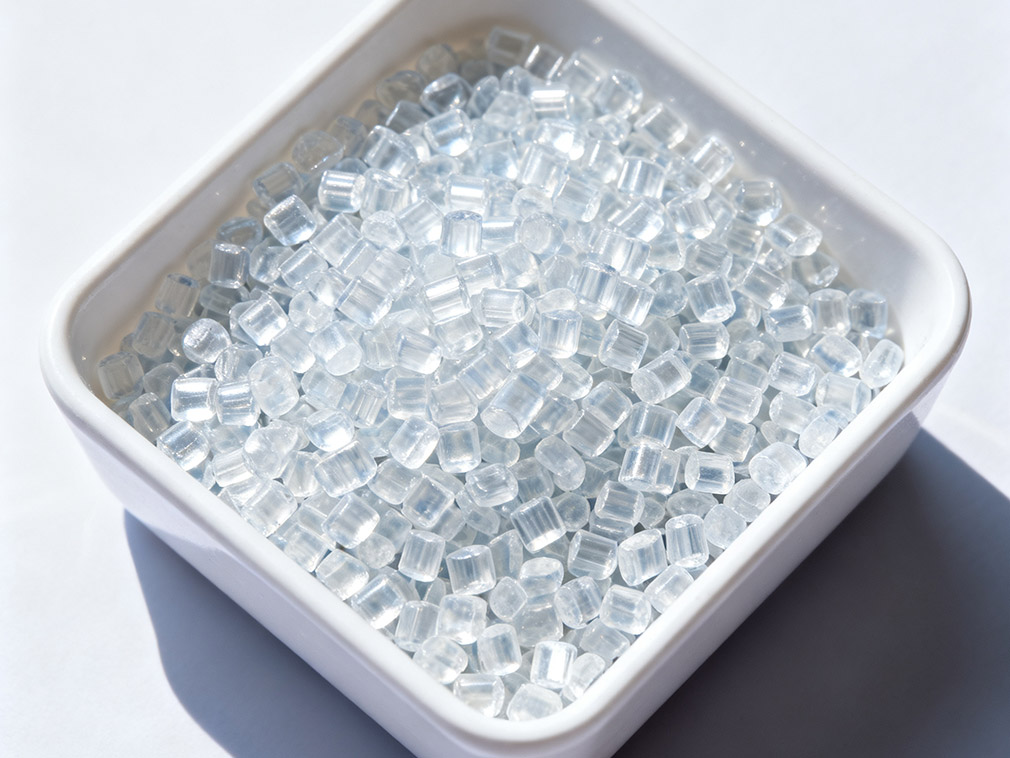
PET's most significant advantage lies in its high transparency. Its amorphous structure allows light transmittance of over 90%, approaching the texture of glass. This characteristic makes it the first choice for packaging that needs to showcase the product's form.
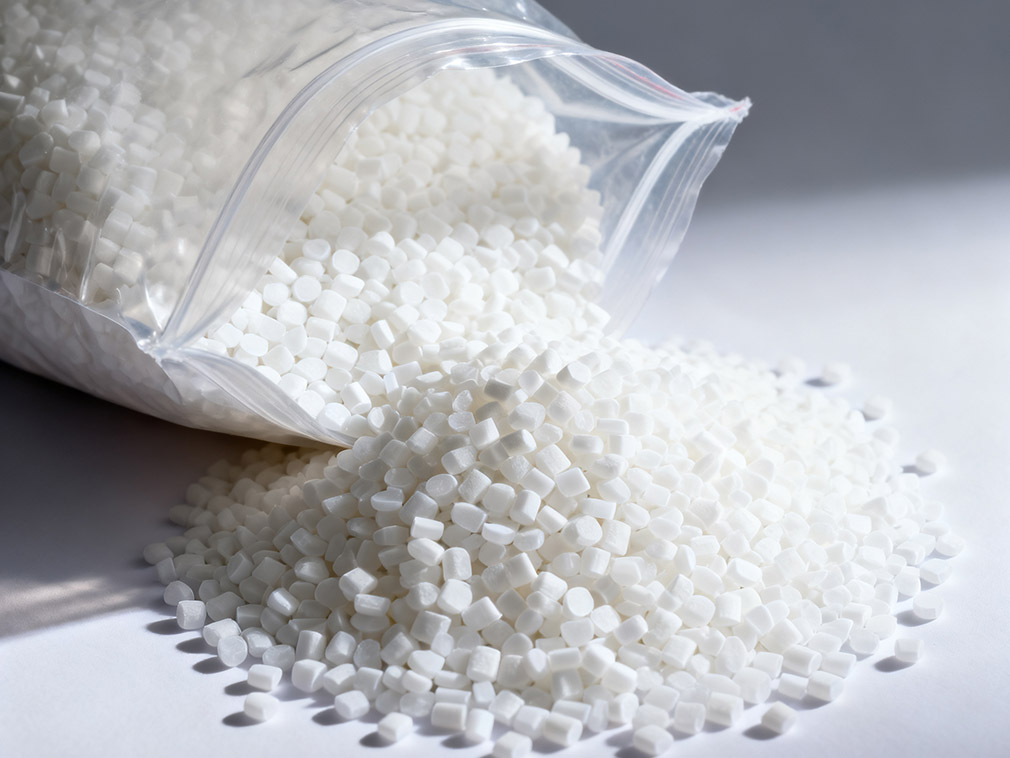
For example, bottled drinking water, juice, and carbonated beverages can have their liquid color and purity clearly displayed through transparent PET packaging, enhancing consumer purchasing intentions. Simultaneously, PET has excellent moldability, allowing it to be made into containers of various shapes through injection molding and blow molding processes. Its smooth and flat surface facilitates the printing of labels and brand logos. HDPE, with its semi-crystalline structure, exhibits an opaque or milky-white appearance and extremely low light transmittance.
This characteristic gives it an advantage in packaging products requiring light protection, such as some dairy products, edible oils, and pesticides. Furthermore, HDPE offers flexible molding processes, allowing it to be made into rigid containers (such as laundry detergent bottles and shampoo containers) and flexible films (such as food storage bags) through extrusion blow molding. Its high toughness also makes it less prone to cracking and deformation during molding, making it suitable for large-scale industrial production.
2. Stress Cracking Performance: Structural Stability Determines Service Life. Stress cracking is a common form of damage to plastic packaging during use, primarily related to material structure, molecular chain strength, and external environmental factors (such as temperature and chemical reagents).
PET containers, due to their amorphous structure and the special processes (such as stretching and annealing) used during production to suppress crystallization, have well-organized and tightly packed molecular chains, effectively resisting the effects of external stress and environmental factors, resulting in excellent stress cracking resistance.
In practical applications, PET bottles are less prone to cracking and leakage even when storing acidic or alkaline liquids (such as vinegar and soy sauce) for extended periods, with a lifespan of 1-2 years.
HDPE, however, is more susceptible to stress cracking. Its semi-crystalline structure results in gaps between molecular chains, and the higher the crystallinity (typically 70%-80%), the weaker the intermolecular forces. This makes it highly susceptible to environmental stress cracking when subjected to external stresses (such as compression or impact) or contact with chemical reagents (such as organic solvents and surfactants).
However, the stress cracking resistance of HDPE can be improved by adjusting its molecular weight—higher molecular weight results in lower crystallinity, stronger molecular chains, and thus increased crack resistance.
For example, chemical storage tanks made of high molecular weight HDPE can hold low-concentration organic solvents, while ordinary molecular weight HDPE is more suitable for neutral liquids (such as purified water and detergent). 3. Durability and High-Temperature Resistance: Key Dividing Lines for Applicable Scenarios
Durability is mainly reflected in the material's impact strength, abrasion resistance, and aging resistance. HDPE has significantly higher impact strength than PET. Even in low-temperature environments (such as -40℃), it maintains good toughness and is not easily broken by impact.
Therefore, it is often used to make packaging that needs to be reused or is easily impacted during transportation, such as cushioning materials for express delivery boxes and packaging containers for children's toys.
In addition, HDPE has strong abrasion resistance, and its surface is not easily scratched by friction. It also has excellent aging resistance and is not prone to discoloration or embrittlement even after long-term exposure to sunlight (with the addition of UV stabilizers).
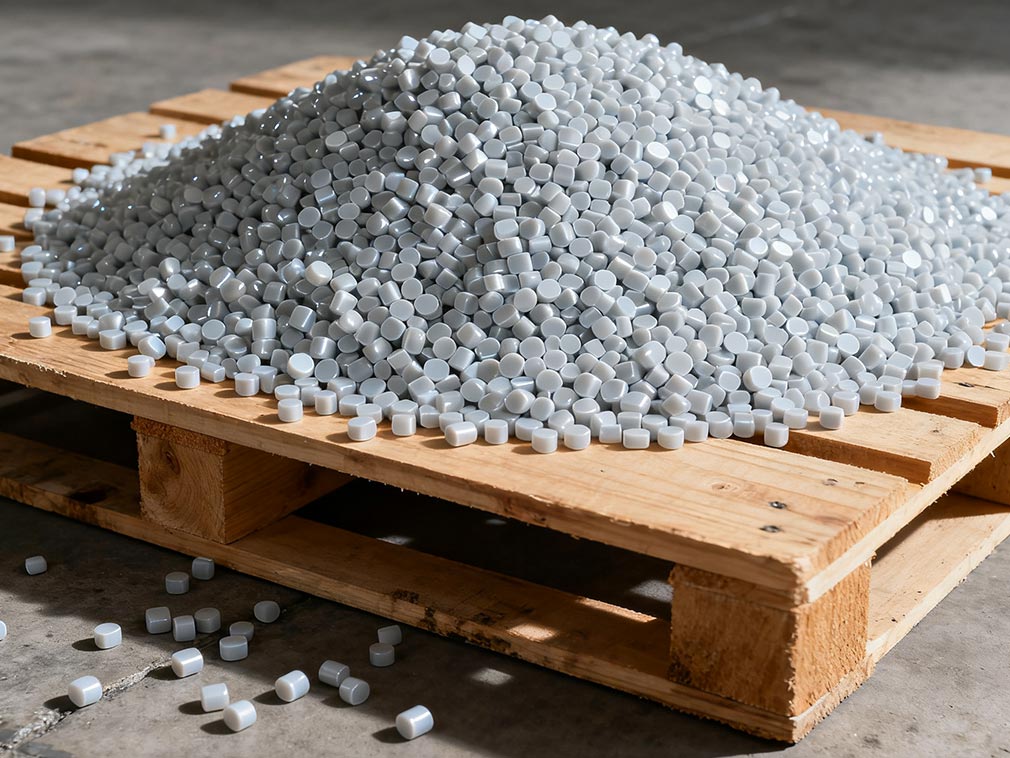
PET has relatively lower impact strength, especially in low-temperature environments. The material is prone to becoming brittle and cracking or breaking upon impact. Therefore, it is more suitable for making disposable packaging or product containers for short-distance transportation. In terms of high-temperature resistance, HDPE has a more significant advantage, with a maximum operating temperature of 160°F (approximately 71°C).
It can withstand medium-temperature treatments such as hot water rinsing and pasteurization, making it suitable for storing products that require heating (such as packaging bowls for some ready-to-eat foods) or storage containers in high-temperature environments (such as kitchen spice bottles).
PET, on the other hand, has a maximum operating temperature of only 145°F (approximately 63°C). Above this temperature, the material will soften, deform, and may even release trace amounts of harmful substances.
Therefore, it is strictly forbidden to use it for storing hot water or for heating. In practical applications, PET bottles are typically used to store products at room temperature or low temperatures, such as cold drinks, juices, and cosmetics, and should be kept away from prolonged exposure to direct sunlight or high-temperature heat sources (such as stoves and radiators).
Our platform connects hundreds of verified Chinese chemical suppliers with buyers worldwide, promoting transparent transactions, better business opportunities, and high-value partnerships. Whether you are looking for bulk commodities, specialty chemicals, or customized procurement services, TDD-Global is trustworthy to be your fist choice.












