PET Bottle Resin: Advantages in Clarity, Strength & Sustainability
In the modern packaging industry, PET (polyethylene terephthalate) bottle-grade resin, with its superior overall performance balance, has become the dominant material for high-quality plastic bottles, especially in the beverage and food packaging sectors.
Its success stems from the perfect combination of core advantages brought about by its unique chemical structure, including transparency, barrier properties, impact resistance, lightweight, and recyclability, profoundly reshaping the global packaging industry landscape.
I. Crystal Clear, Enhancing Product Competitiveness
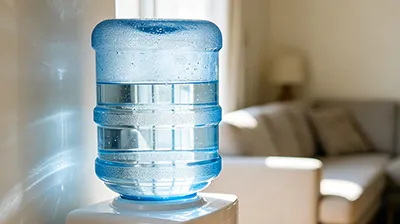
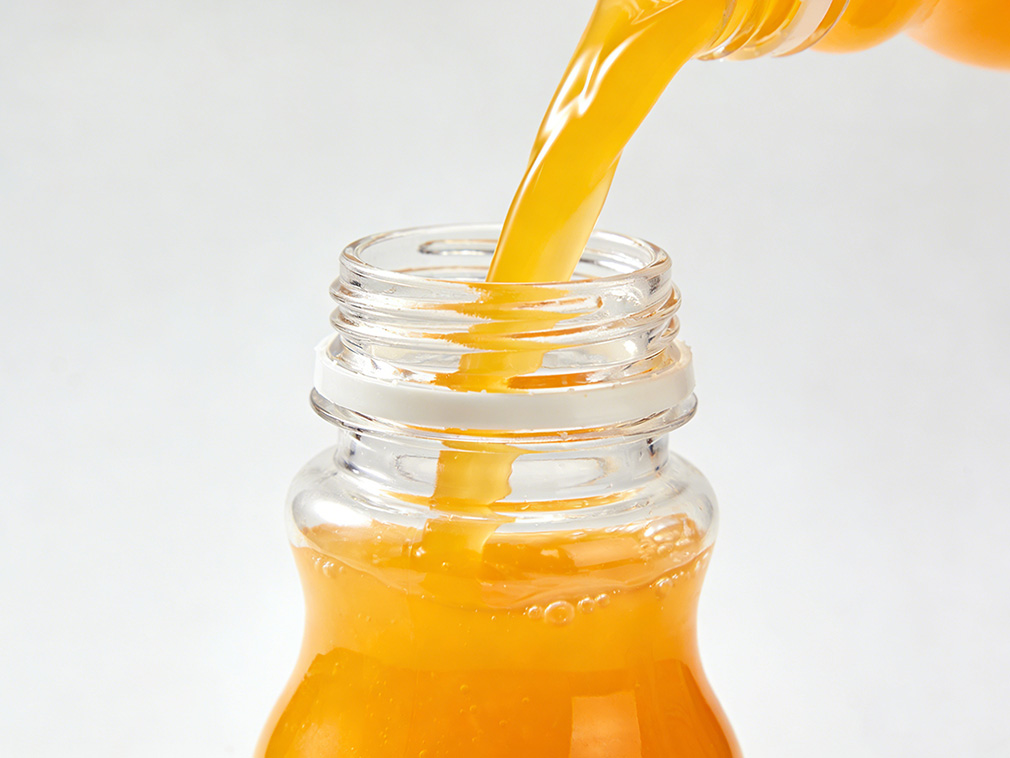
PET bottle-grade resin possesses excellent optical properties, and advanced processes can produce bottles with transparency comparable to glass. A transparent bottle clearly showcases the color and texture of the contents, such as the vibrancy of beverages or the purity of edible oils, directly stimulating consumer desire. High transparency is associated with a perception of high quality, helping to build brand trust, and the smooth surface facilitates high-quality printing and decoration, further optimizing packaging effects.
II. Robust and Reliable, Ensuring Product Safety
PET bottle-grade resin excels in mechanical strength and resistance. It maintains excellent impact resistance and toughness even at low temperatures, effectively resisting collisions and compression during transportation, storage, and use, making it particularly suitable for carbonated beverage bottles that need to withstand internal pressure.
Its good rigidity maintains bottle shape stability, facilitating automated filling, stacking, and display. Simultaneously, it is resistant to corrosion from most food components such as water and oils, without reacting chemically, ensuring the pure and safe flavor of the product.
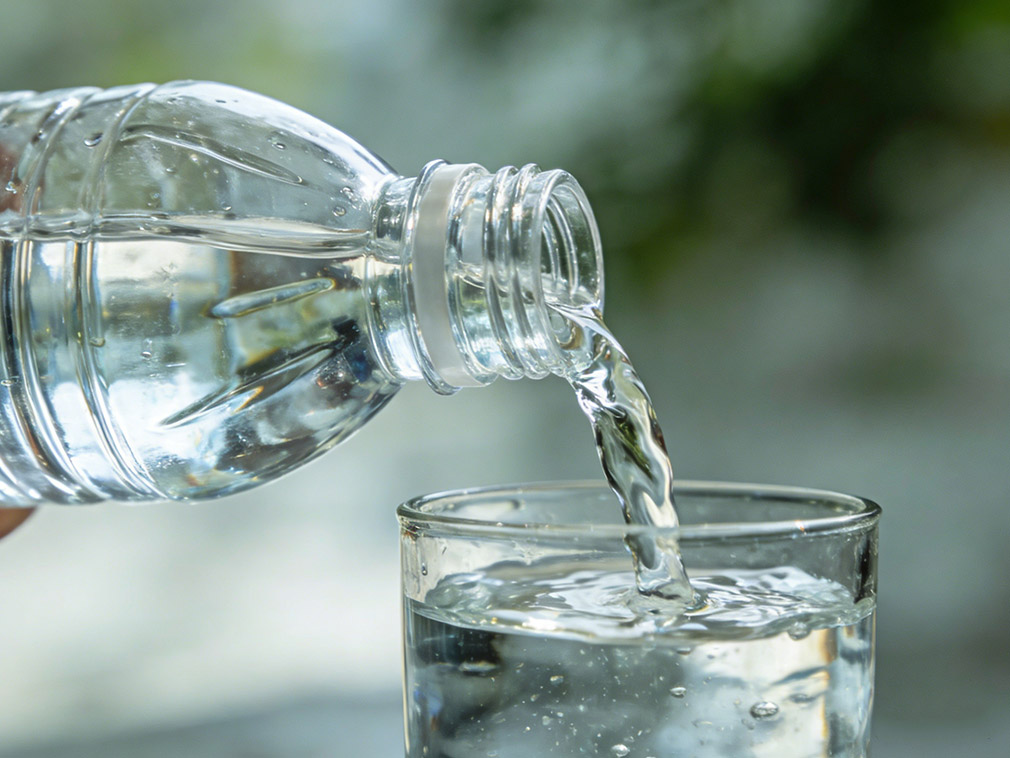
III. Excellent Barrier Properties, Extending Product Shelf Life
Barrier properties are the core advantage of PET resin, directly determining the product's shelf life and flavor retention. It has excellent barrier properties against oxygen and carbon dioxide, delaying the deterioration of easily oxidized products such as fruit juices and tea drinks, ensuring the "full-bodied" taste of carbonated beverages. By enhancing barrier properties through blending, coating, or multi-layer composite technologies, it can meet the packaging requirements of high-end beverages such as beer and wine.
Furthermore, it effectively blocks water vapor, preventing liquid evaporation or external moisture intrusion, while also possessing excellent aroma retention properties, preventing flavor loss and odor intrusion.
IV. Lightweight and Energy-Saving, Practicing Green Recycling
The lightweight properties of PET bottles are revolutionary; they weigh only one-tenth of glass containers of the same volume, significantly reducing raw material consumption, transportation energy consumption, and carbon emissions, while saving logistics costs.
As one of the most recyclable plastics, waste PET bottles can be cleaned, crushed, melted, and granulated to produce recycled PET (rPET), which can be used to manufacture fibers, sheets, and non-food contact bottles. After advanced processing, it can also be returned to food contact packaging, achieving a closed-loop cycle, reducing plastic waste and dependence on primary petroleum resources, aligning with global sustainable development trends.
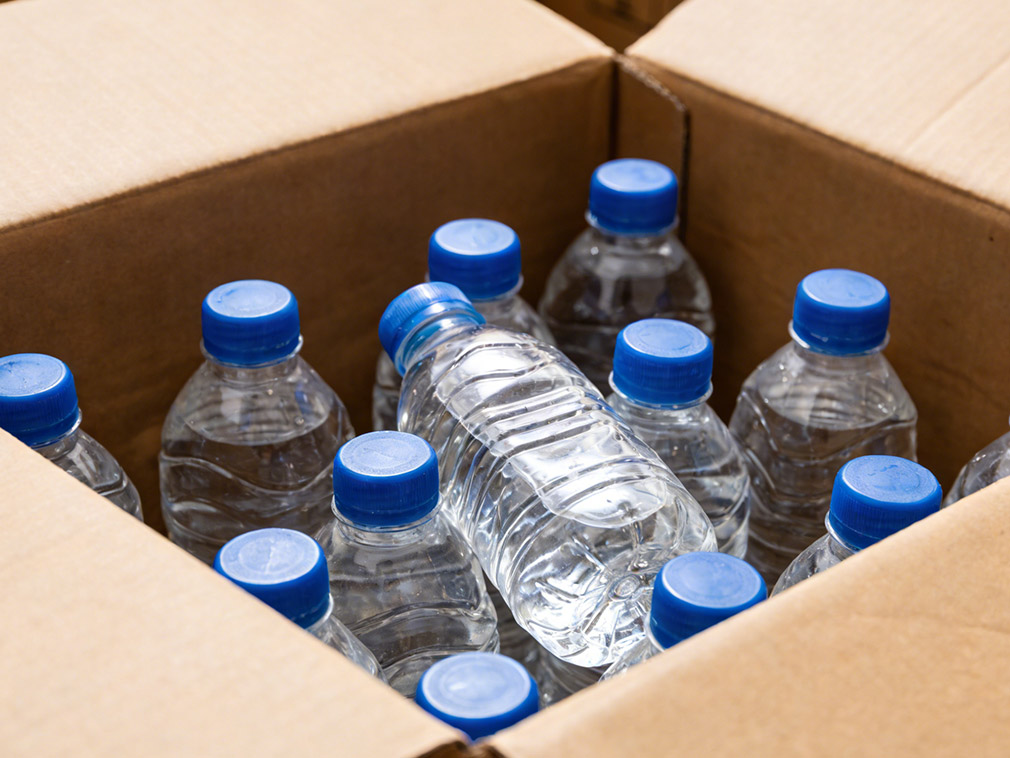
V. Mature Technology and Wide Range of Applications
PET bottles are formed using a one-step or two-step injection stretch blow molding process. This mature and efficient process allows for precise control of bottle wall thickness and neck size, ensuring sealing accuracy. Its applications have expanded from carbonated beverage bottles to mineral water, tea drinks, juices, edible oils, soy sauce, and condiments, and also cover daily chemical products and some non-sensitive pharmaceutical packaging.
Faced with stringent environmental regulations and consumer demand for sustainable packaging, PET technology continues to innovate: bio-based PET uses biomass raw materials to produce ethylene glycol, reducing the carbon footprint, enhanced barrier technology expands its application in sensitive products, extreme lightweighting is achieved through design optimization; and chemical recycling technology depolymerizes waste PET into monomers for repolymerization, solving the problem of difficult-to-physically recycle waste materials.
Our platform connects hundreds of verified Chinese chemical suppliers with buyers worldwide, promoting transparent transactions, better business opportunities, and high-value partnerships. Whether you are looking for bulk commodities, specialty chemicals, or customized procurement services, TDD-Global is trustworthy to be your fist choice.