PET Material: Versatile Applications from Bottles to Batteries
Have you ever noticed that the mineral water bottle in your hand, the quick-drying T-shirt you wear, and even the battery separator in a new energy vehicle might all be made from the same material? That material is PET, short for polyethylene terephthalate. From everyday consumer goods to high-tech components, PET is truly an "all-rounder" in the materials world. Why is it so popular? And how does it achieve a perfect balance between performance and cost? Today, let's explore this together.
I. Structure Determines Strength: The "Molecular Magic" of Rigidity and Flexibility
PET's strength primarily stems from its molecular structure. Imagine it as a reinforced concrete building:
The benzene ring units act like reinforcing bars, providing excellent rigidity and heat resistance, giving PET a melting point as high as 255-260℃, making it resistant to deformation even when heated.
The aliphatic chain units act like flexible connections in concrete, giving the material good toughness, allowing it to withstand strong tensile forces and repeated bending.
It is precisely this "rigidity and flexibility" that allows PET to excel in vastly different fields such as packaging, textiles, electronics, and automobiles.
II. Packaging Industry: The Lightweight, Transparent, and Shock-Resistant "King of Bottles"
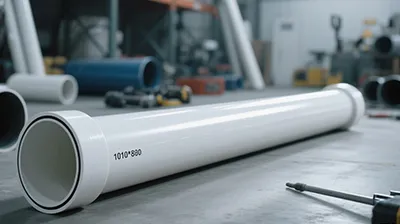
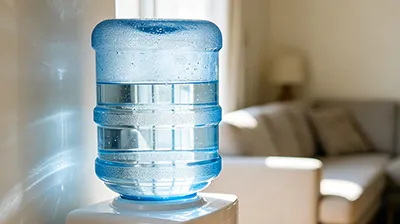
In the packaging industry, PET is the undisputed leader—accounting for 67.9% of global plastic packaging consumption. Most of the mineral water and beverage bottles we're familiar with are made of PET blow molding:
Its transparency reaches up to 90%, approaching that of glass, yet it's much lighter: for the same volume, a PET bottle weighs only 1/10th of a glass bottle.
Its impact resistance is 3-5 times that of ordinary plastics, making beverage bottles less likely to break when dropped, greatly reducing transportation losses.
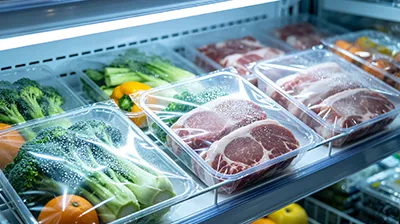
Furthermore, BOPET film, made through biaxial stretching (such as the glossy film on food packaging bags), can withstand temperatures up to 120℃, allowing it to be frozen in a refrigerator and heated in a microwave.
III. Textile Industry: What You Wear May Very Well Be PET
PET, when drawn into fibers, becomes the familiar polyester (polyester fiber). It accounts for 70% of global synthetic fiber production, and its presence is ubiquitous, from everyday T-shirts and sportswear to outdoor jackets and industrial fabrics:
Ordinary polyester is wrinkle-resistant, easy to wash, quick-drying, and particularly easy to dye.
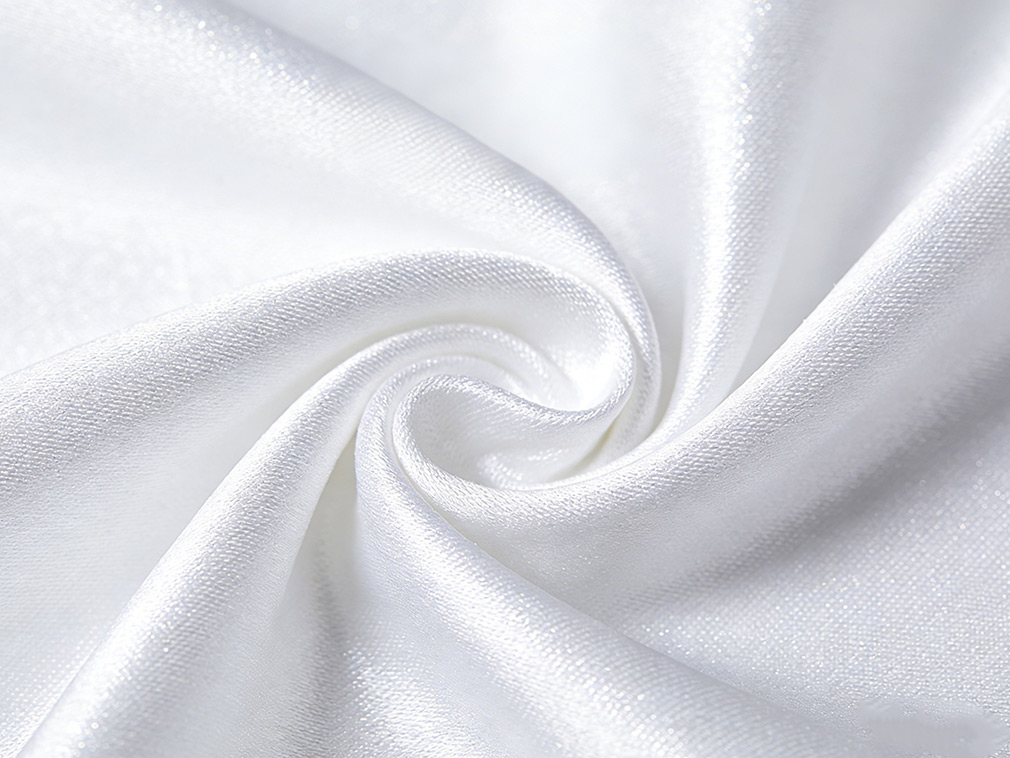
Through modification, it can also achieve functions such as moisture wicking, antibacterial properties, and UV protection, making it ideal for sports equipment.
Industrial-grade polyester filaments have strength comparable to steel and can be used to make engineering fabrics, conveyor belts, etc.
IV. Automotive and Electronics: Safeguarding High Technology
You might not know that PET also plays a crucial role in the new energy and electronics fields:
Many lithium-ion battery separators for new energy vehicles use PET as a substrate. Compared to traditional PE separators, it effectively reduces the risk of thermal runaway and improves battery safety.
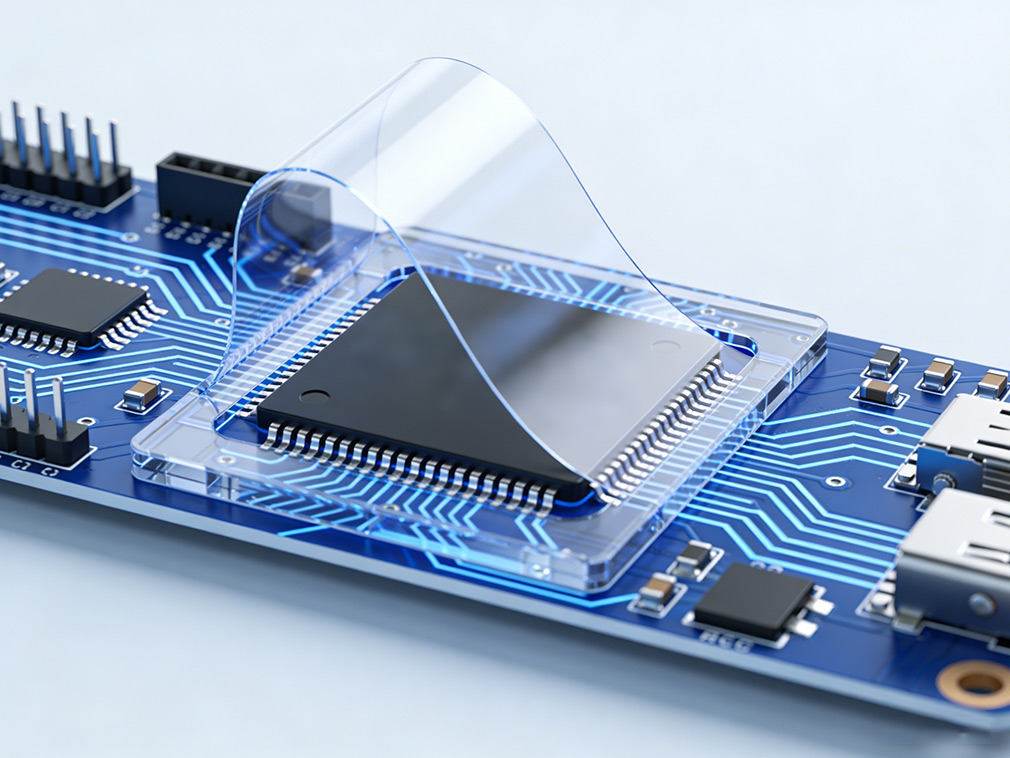
Photovoltaic backsheets (the protective film on the back of solar panels) also commonly use PET because of its good insulation, corrosion resistance, and dimensional stability.
The casings of electronic components and coil frames also rely heavily on the excellent properties of modified PET.
V. Sustainability Trump Card: PET Can Be Recycled Infinitely "Bottle-to-Bottle"
Under the backdrop of "dual carbon" (carbon dioxide, carbon emissions, and carbon sequestration), PET's recyclability has become its core competitive advantage. Currently, domestic recycled PET (rPET) production capacity continues to expand, reaching 15.2% of the total by 2025, with complete closed-loop industrial chains already formed in Zhejiang, Guangdong, Shandong, and other regions.
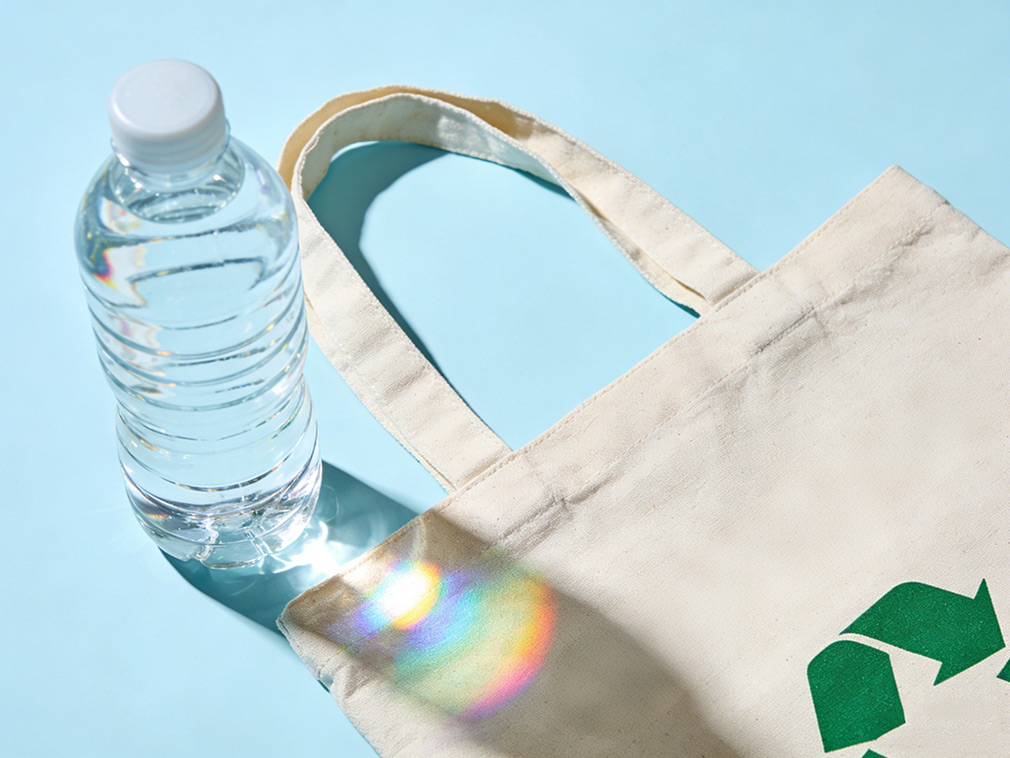
There are two main recycling methods:
Physical Recycling: Waste PET bottles are cleaned, crushed, and regranulated into recycled fibers, packing straps, etc. In 2025, the textile sector alone used 2.1 million tons of recycled PET, accounting for 23.1% of its consumption.
Chemical Recycling: PET is depolymerized back to its original monomers and then repolymerized, achieving true "recycling." This technology has seen a 340% increase in capacity within three years, reaching 850,000 tons/year.
Consumers' environmental awareness is also driving this trend: 76.3% of people are willing to pay a higher price for products containing recycled materials. Brands such as Coca-Cola and Nongfu Spring have already incorporated the proportion of rPET used into their supply chain assessments, bringing green PET into more everyday scenarios.
VI. Cost and Efficiency: Why is it cheaper than similar plastics?
PET achieves excellent performance at an affordable price primarily due to three factors:
Mature Production Technology: Over 80% of global PET production utilizes the direct esterification method, resulting in a shorter process and lower energy consumption. The two-step molding process saves 30% more energy than traditional methods.
Self-Sufficient and Controllable Supply Chain: my country's self-sufficiency rate for PTA and MEG (two main raw materials for PET) exceeds 95%, forming a vertically integrated "refining-PTA-PET" chain, effectively resisting international price fluctuations. The unit price of PET is typically lower than that of general-purpose plastics such as PE and PP.
Flexible Processing: PET can be processed through various processes such as blow molding, spinning, and injection molding to produce bottles, films, fibers, parts, and other forms. Furthermore, the shape and color can be customized at the preform stage without complex modifications, reducing equipment investment.
Currently, the PET industry is accelerating its move towards high-end and low-carbon technologies. The gross profit margin of high-end BOPET films and chemically produced rPET can exceed 25%, and their applications in emerging fields such as new energy and 5G communications are becoming increasingly widespread.
Our platform connects hundreds of verified Chinese chemical suppliers with buyers worldwide, promoting transparent transactions, better business opportunities, and high-value partnerships. Whether you are looking for bulk commodities, specialty chemicals, or customized procurement services, TDD-Global is trustworthy to be your fist choice.