PET Plastic Guide: Properties, Uses & Recycling
You might be unfamiliar with the term polyethylene terephthalate (PET), but it's already integrated into every aspect of life—the mineral water bottles in your hand, the "polyester" clothing you wear, and the food packaging bags in supermarkets are mostly made of this material. As the most widely used crystalline saturated polyester globally, PET has become an essential material in modern industry and daily life due to its excellent properties. Today, we'll provide a comprehensive understanding of its core knowledge.
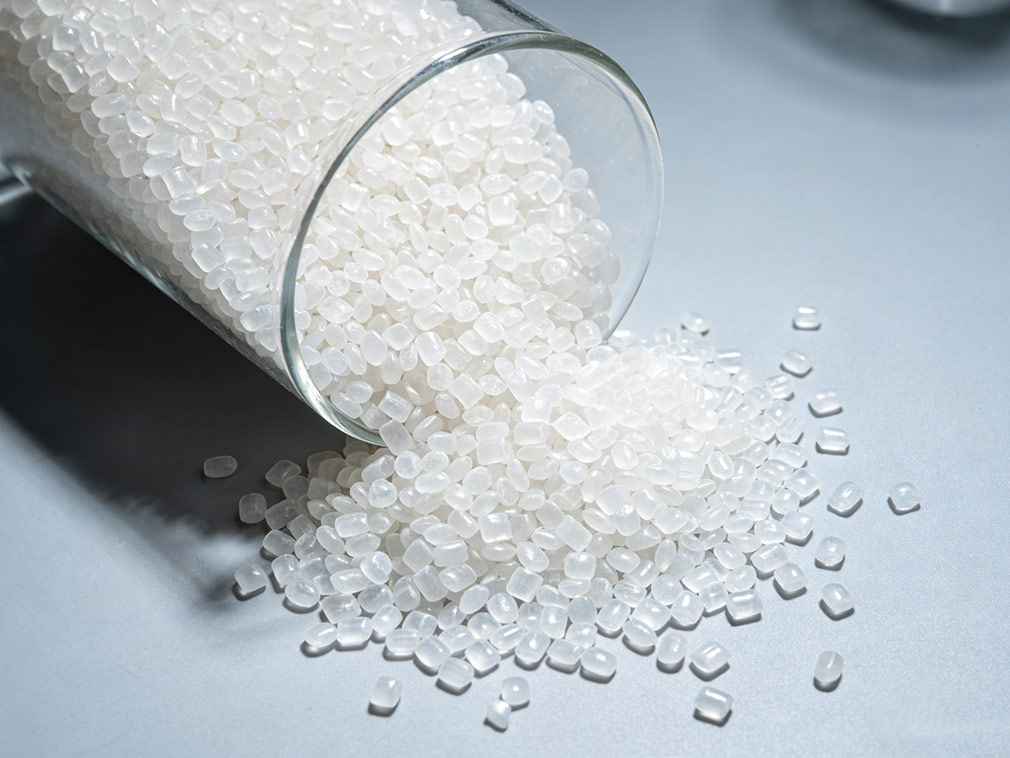
Chemically, PET is a high molecular weight compound formed by the polycondensation reaction of terephthalic acid (or its esters) and ethylene glycol, with the chemical formula (C₁₀H₈O₄)ₙ. In appearance, it can be colorless and transparent (amorphous) or milky white or light yellow solid (crystalline), with a smooth and glossy surface.
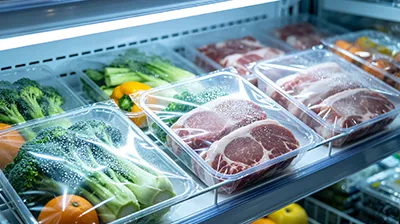
It is non-toxic and odorless, and its hygiene and safety have been certified by authoritative bodies, making it suitable for direct use in food packaging. Its core advantages are outstanding: stable performance over a wide temperature range, with an operating temperature up to 120℃, excellent electrical insulation, a density of only 1.3~1.4 g/cm³, lightweight yet high strength, with film tensile strength comparable to aluminum foil; and strong barrier properties against oxygen, water, and carbon dioxide, effectively extending food shelf life. These characteristics make it stand out among many materials.
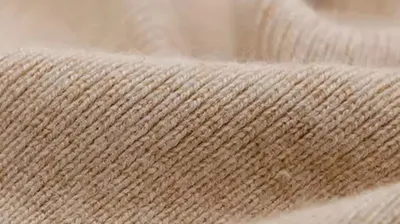
PET's applications cover three core areas, making it a true "all-rounder." In the textile industry, China refers to fibers with a PET content exceeding 85% as polyester, commonly known as "Dacron," which combines wear resistance, stiffness, and easy care, and is widely used in clothing, curtains, carpets, and other fabrics.
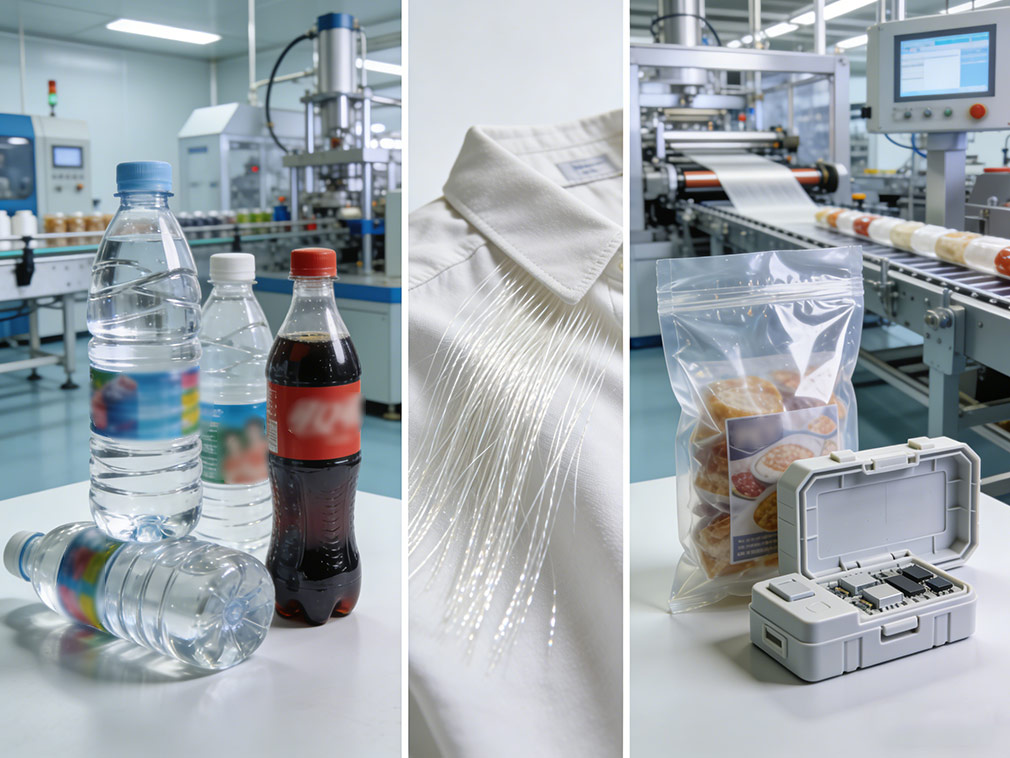
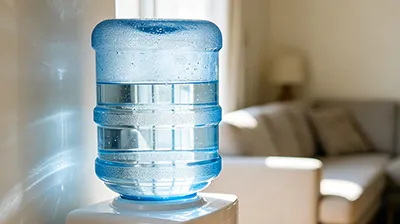
In the packaging industry, it holds a dominant position, with over 77% of global PET resin used to manufacture polyester bottles, covering packaging for mineral water, carbonated beverages, juices, and edible oils, as well as food packaging bags and pharmaceutical reagent bottles.
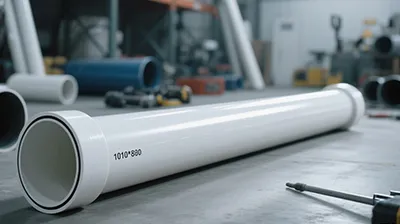
In the industrial sector, high-viscosity PET can be made into engineering plastics for automotive parts, electronic appliance housings, mechanical equipment parts, and even for producing high-strength products such as tire cords and seat belts.
With increasing environmental awareness, the recycling of PET has become a focus of attention. Nearly 70 million tons of PET are produced globally each year, most of which are single-use consumer products. Because natural degradation takes decades or even longer, improper recycling can cause white pollution.
Currently, there are three main recycling methods: mechanical recycling, which regenerates PET through washing, crushing, and granulation, and can be used to make non-food packaging or automotive sound-absorbing materials, chemical recycling, which breaks down raw material monomers through processes such as hydrolysis and alcoholysis, achieving recycling; and energy recovery, which targets difficult-to-separate blended waste materials, achieving resource reuse through heat recovery.
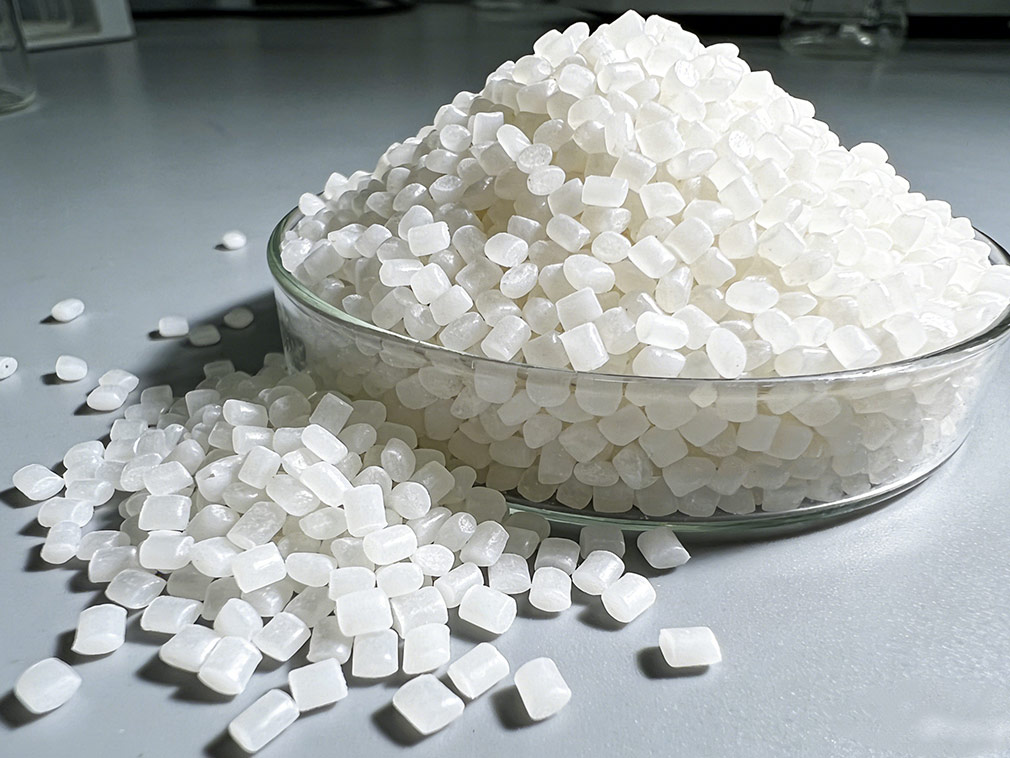
It is worth noting that PET bottles are usually marked with "No. 1 Plastic" to remind consumers to recycle them separately. Globally, the recycling rate of PET bottles has reached 50%-60%, making it one of the plastic types with a relatively high recycling rate.
There are also some things to be aware of when using PET products: Although it has good heat resistance, its heat distortion temperature is about 70℃. It is not suitable for holding high-temperature liquids for extended periods, and should be kept away from direct sunlight inside a car, otherwise it may deform and release trace amounts of harmful substances, No. 1 plastic products may release carcinogens after 10 months of use, and repeated long-term use is not recommended.
In the future, the development of bio-based PET, lightweight technologies, and efficient chemical recycling technologies will further enhance its environmental attributes.
From clothing to packaging, from industrial parts to everyday items, PET serves human society with its unique advantages. Understanding its characteristics and usage guidelines, and properly sorting and recycling it, are essential to ensure that this practical material not only facilitates our lives but also better integrates into the rhythm of green development.
Our platform connects hundreds of verified Chinese chemical suppliers with buyers worldwide, promoting transparent transactions, better business opportunities, and high-value partnerships. Whether you are looking for bulk commodities, specialty chemicals, or customized procurement services, TDD-Global is trustworthy to be your fist choice.