
PET Plastic Safety: BPA-Free Facts and Recycled PET Regulations
The mineral water bottles, takeout containers, and even baby food containers you use are often made of a material called PET. As public concern about food safety grows, questions about plastic packaging are constantly emerging: Does PET contain BPA? Will it release harmful substances? Are recycled PET bottles safe to use?
Today, we'll discuss PET, a widely used material, and help you clarify the truth.
PET does not contain BPA; its chemical structure dictates this.
PET (polyethylene terephthalate) is completely different from polycarbonate (PC) or epoxy resin, which we often hear about as containing BPA.
Chemically, PET is polymerized from ethylene glycol and terephthalic acid. The entire production process does not require the addition of any BPA substances, therefore its polymer structure naturally does not contain BPA. In other words, PET's safety is guaranteed from the source—it simply does not use that raw material.
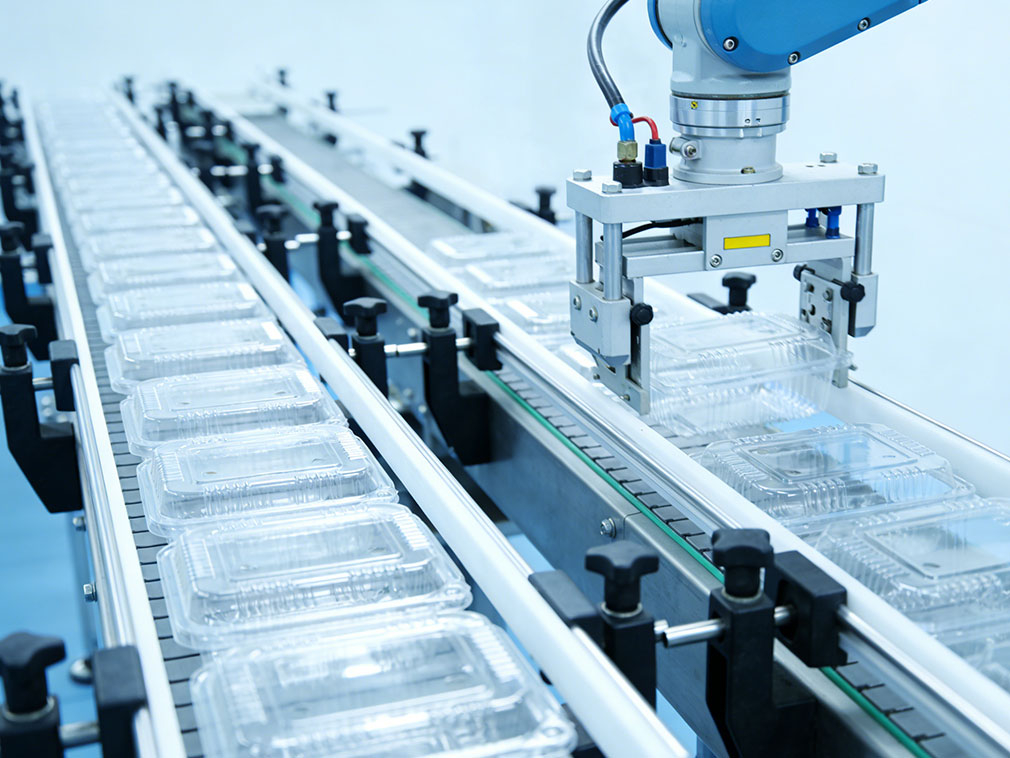
As a linear thermoplastic resin, PET possesses excellent mechanical properties, low water absorption, and electrical insulation. Its glass transition temperature is 69℃, and its melting point ranges from 255 to 260℃. These properties not only allow it to be made into transparent and lightweight bottles but also make it widely used in various fields such as fibers and films, becoming an important intermediate product connecting petrochemical products and consumer goods.
Global regulatory agencies unanimously agree: PET is safe for use
The safety of PET is not just a claim but has undergone rigorous evaluation by multiple authoritative institutions worldwide.
The U.S. Food and Drug Administration (FDA) and the European Food Safety Authority (EFSA) have both clearly confirmed that PET is BPA-free and safe for food contact applications. The European Union, through Regulation (EU) 2025/351, further refines the purity standards for plastic food contact materials, requiring that the impurity content in PET raw materials be controlled at extremely low levels to ensure no harmful substance migration. The U.S. FDA explicitly requires that the BPA migration in PET materials used for food contact must not exceed 0.05 mg/kg.
my country has also introduced strict standards. Both the National Food Safety Standards for Plastic Resins for Food Contact (GB 4806.6-2016) and the National Food Safety Standards for Plastic Materials and Products for Food Contact (GB 4806.7-2023) clearly stipulate that the specific migration amount of BPA in PET materials must not exceed 0.6 mg/kg, and they must not be used in food contact materials and products for infants and young children.
These stringent regulatory standards provide a solid institutional guarantee for the safe use of PET materials.
However, BPA is occasionally detected in recycled PET. What's the problem?
With the advancement of the "dual carbon" goal, PET recycling has become a key focus of the industry. my country's PET beverage bottle recycling rate has reached 96.48%~97.63%, which is at an internationally advanced level.
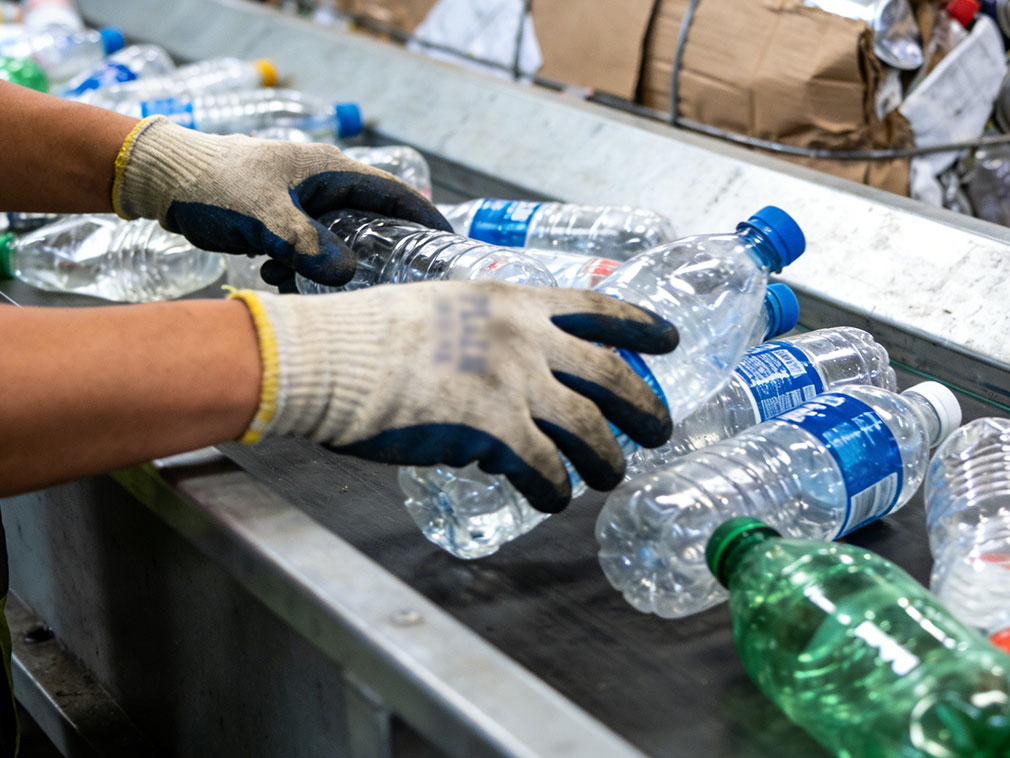
But some people worry: since PET itself does not contain BPA, why are trace amounts of BPA detected in some recycled PET materials?
The answer lies in cross-contamination during the recycling process. During the recycling process, PET bottles may be mixed with small amounts of materials containing BPA (such as some polycarbonate products), thus introducing trace amounts of BPA. This isn't a problem with PET itself, but rather with "foreign substances" in the recycling process.
More importantly, even if trace amounts of BPA are detected in recycled PET, their levels are usually far below the 0.01 mg/L limit stipulated in my country's *Standards for Drinking Water Quality* (GB 5749-2022). Under normal use conditions, BPA will not migrate from PET packaging into food or beverages; even if migration occurs, it will be far below regulatory safety limits.
To fundamentally address this issue, the EU and the US have established comprehensive safety assessment systems for food-grade recycled PET (rPET), using "challenge testing" to verify the decontamination capabilities of the recycling process. Related research by Chinese research institutions also indicates that standardized domestic rPET recycling processes can fully meet food safety requirements.
Petroleum is safe for daily use
PET packaging performs stably in daily use. Under normal temperature and conventional storage conditions, it does not release any harmful substances. Even when containing hot water, the levels of migrating substances are strictly controlled within safe standards.
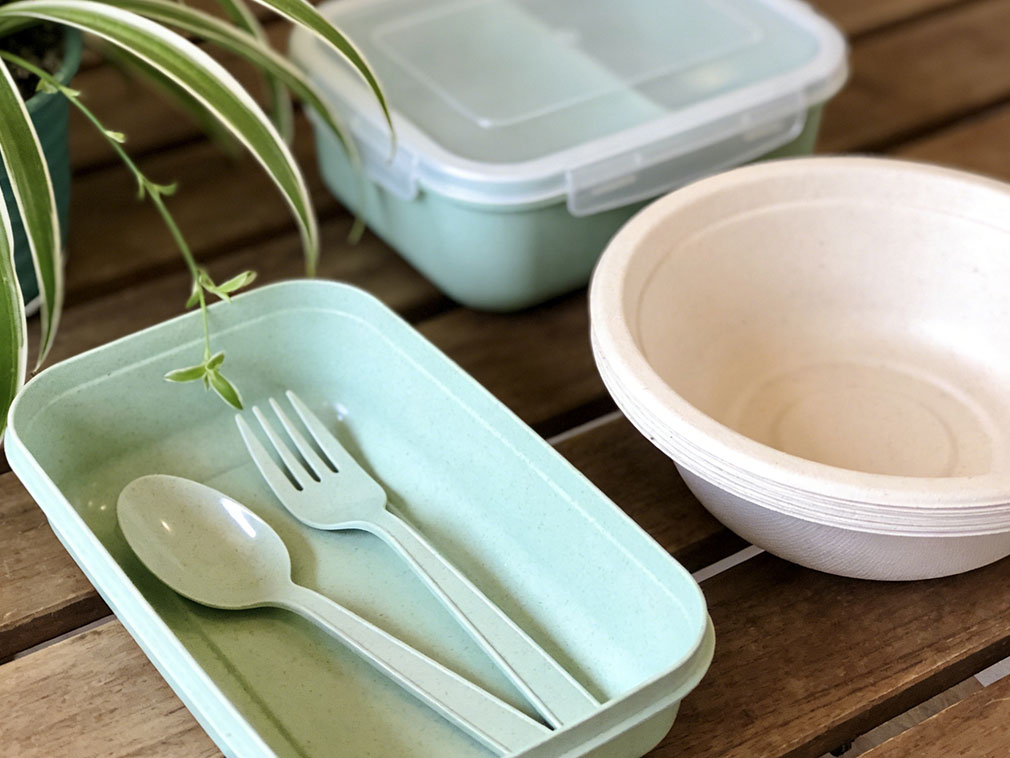
This is fundamentally different from the BPA migration found in other plastic water cups in some studies—those products where BPA was detected were mostly made of polycarbonate (PC), not PET.
Today, PET packaging is widely used in beverages, food, pharmaceuticals, and many other fields. Its global acceptance stems from its guaranteed safety and its recyclability, aligning with green development trends and making it an important vehicle for promoting a circular economy in plastics.
As consumers become increasingly concerned about food safety, research institutions and regulatory agencies are continuously conducting safety research on PET materials and constantly updating and improving regulations for food contact materials, ensuring the safety and compliance of PET packaging throughout the entire chain from production, processing, recycling to use.
Whether it's virgin PET or recycled PET that has undergone standardized recycling and processing, its safety has been scientifically verified and strictly regulated, making it safe for food contact applications and providing safe and convenient packaging solutions for our daily lives.
Our platform connects hundreds of verified Chinese chemical suppliers with buyers worldwide, promoting transparent transactions, better business opportunities, and high-value partnerships. Whether you are looking for bulk commodities, specialty chemicals, or customized procurement services, TDD-Global is trustworthy to be your fist choice.












