
PET Plastic Safety: Heat Risks & Proper Use Guide
In daily life, we encounter mineral water bottles, beverage bottles, and cooking oil containers almost every day—most of these packages bear the "1" recycling symbol and are made of PET (polyethylene terephthalate). Lightweight, transparent, and with good sealing properties, it is one of the most widely used food packaging materials globally.
However, many people are unaware that while PET plastic is safe and reliable at room temperature, it has a fatal flaw—it is sensitive to heat.
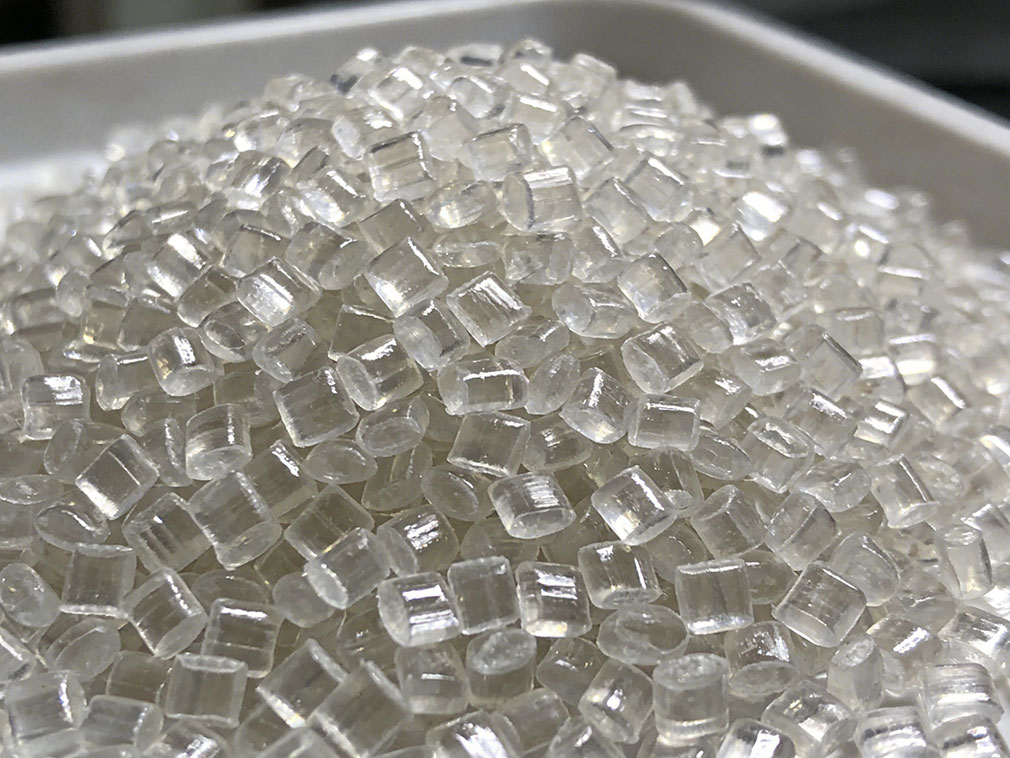
Safe at room temperature, but its heat resistance is indeed insufficient
Under the premise of complying with national standards (China GB 4806.7-2016, US FDA, EU EFSA), PET plastic exhibits excellent chemical stability at room temperature. It will not easily release harmful substances when used to store boiled water, mineral water, carbonated beverages, or cooking oil, so it is safe to use.
The problem is that its glass transition temperature is only 70-80℃, and the long-term use temperature should ideally be controlled below 60℃. Once this range is exceeded, the physical structure and chemical stability of the material will change, posing safety hazards.
Avoid Involving PET in These "Hot" Scenarios
Myth 1: Using PET Bottles for Hot Water or Microwave Oven
Many people have this habit: leaving a little water in a mineral water bottle and then microwaving it; or washing a beverage bottle and using it to hold freshly boiled water.
Experimental data shows:
Microwaving water in a PET bottle for 30 seconds can raise the bottle temperature to over 90℃, significantly softening it;
Heating for 1 minute may cause deformation, leakage, or even burns
A more hidden risk is that high temperatures accelerate the degradation of PET molecules, causing its monomers, ethylene glycol, terephthalic acid, and antioxidants added during production, to migrate into the water.
Studies show that when the temperature exceeds 80℃, the migration of these substances increases significantly. For example, after microwaving a PET bottle for 1 minute, the migration of ethylene glycol can reach 0.1 mg/L. Although a single intake is usually not excessive, long-term accumulation may place a potential burden on the kidneys and liver.
Furthermore, PET degradation at high temperatures also produces acetaldehyde. This substance has a pungent odor and is classified as a Group 2B carcinogen by the World Health Organization. It not only affects the taste of beverages but may also irritate the respiratory and digestive tracts.
Myth 2: Prolonged exposure to high temperatures
In summer, the temperature inside a car can reach over 60°C. If you leave a PET beverage bottle in the car under direct sunlight, even without direct heating, the material will age faster, potentially increasing the migration of harmful substances.
Some people also habitually reuse PET oil bottles to store oil and place them near the stove—the combination of high temperature and prolonged use carries a greater risk.
Don't be misled by these "illusions"
"The bottle isn't deformed, so it should be fine, right?"
Not necessarily. Deformation is merely a visible sign that the PET material has exceeded its heat resistance limit. Microscopic migration can occur even when the bottle appears intact. Studies have found that when heated to 75°C, the migration of terephthalic acid increases threefold compared to room temperature.
"There's a '1' on the bottom of the bottle, so it's microwaveable, right?"
No. The "1" on the bottom of the bottle is a recycling symbol for PET resin and has nothing to do with whether it's microwaveable. Microwave-safe plastic containers will be clearly marked with "Microwave Safe" or a wavy line symbol. They are typically made of PP (polypropylene, recycling symbol "5").
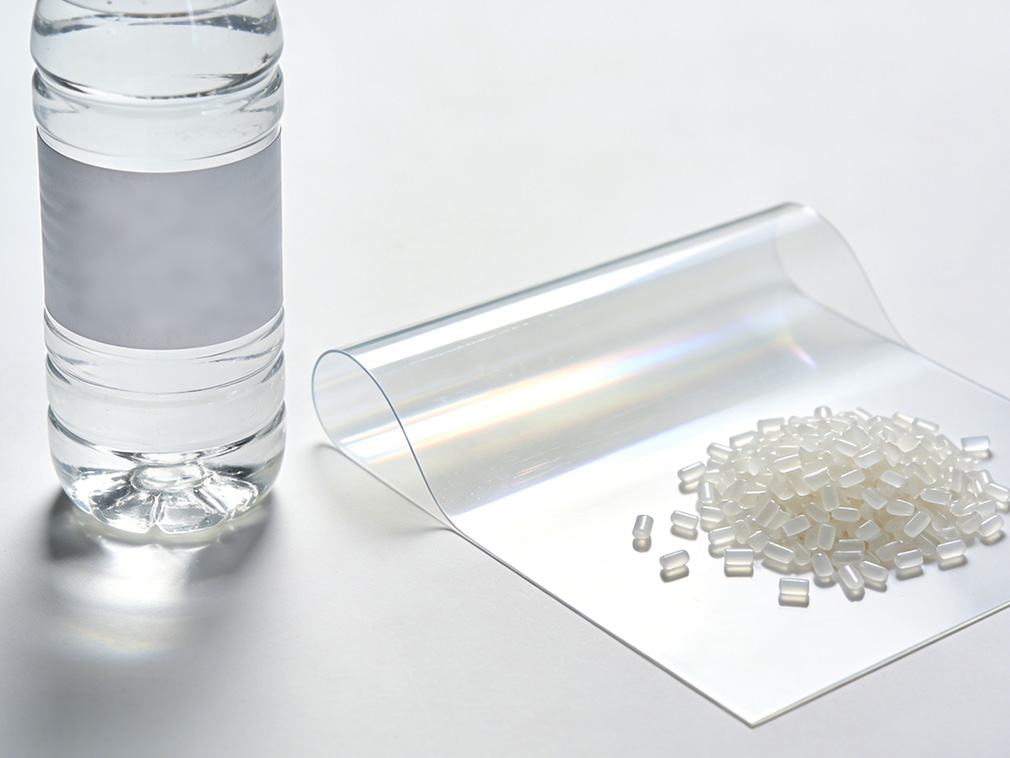
To use PET correctly, remember these points: Use at room temperature, keep away from high temperatures. Do not heat, do not fill with hot water or soup, do not microwave, do not expose to direct sunlight, and do not place near stoves.
Avoid reuse. Disposable PET beverage bottles are designed for single use. If you need to reuse liquids, choose thick-walled dedicated bottles (such as some sports water bottles) and replace them regularly.
For heating or storing high-temperature liquids, consider these materials:
Ceramic and glass: High stability, do not release harmful substances.
PP plastic: Heat resistant up to 120℃ or higher, currently the only plastic material suitable for microwave heating (look for the "5" symbol and microwave-safe marking).
Our platform connects hundreds of verified Chinese chemical suppliers with buyers worldwide, promoting transparent transactions, better business opportunities, and high-value partnerships. Whether you are looking for bulk commodities, specialty chemicals, or customized procurement services, TDD-Global is trustworthy to be your fist choice.












