Polypropylene Advantages: Rigidity, Chemical Resistance & Sustainability
Polypropylene (PP) plastic boasts numerous advantages, making it the world's second-largest general-purpose thermoplastic by production volume. It is widely used in various sectors of the national economy, including automobiles, home appliances, medical devices, and packaging. By the end of 2025, China's polypropylene production capacity had reached 50.125 million tons per year, accounting for 36.98% of global capacity. Its advantages are continuously being validated and expanded in practical applications.
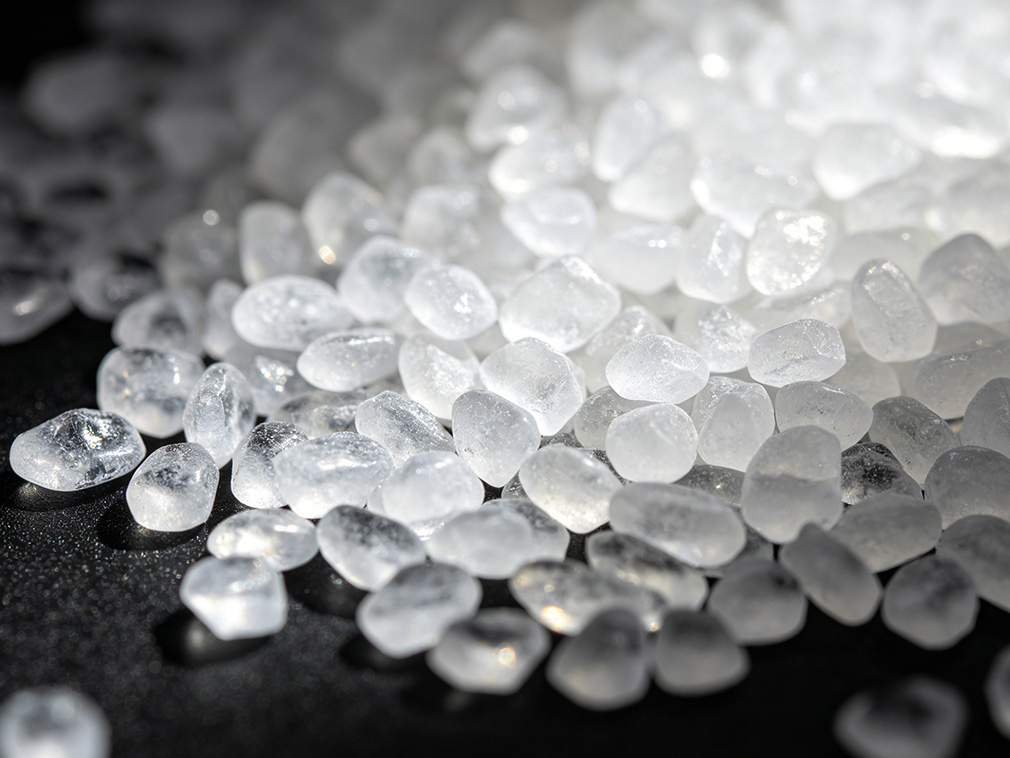
High rigidity is one of polypropylene's most prominent advantages. Its Rockwell hardness reaches R95-R105, and its tensile strength is between 21-39 MPa, superior to other general-purpose plastics such as polyethylene. This excellent structural strength allows it to meet structural support requirements in various scenarios without complex modification. In the consumer electronics sector, it is used in core components such as washing machine drums and refrigerator shells, capable of withstanding impacts and wear during long-term use.
In the automotive industry, modified polypropylene is widely used in interior and exterior parts. Some high-end polypropylene products offer 10% higher rigidity than traditional products, effectively replacing overly functional ABS materials while balancing strength and economy. Furthermore, by adding reinforcing materials such as glass fiber and carbon fiber, the rigidity of polypropylene can be further improved, even approaching that of engineering plastics, making it suitable for manufacturing high-strength structural components.
Chemical resistance is another core competitive advantage of polypropylene. At room temperature, it stably resists the corrosion of most acids, alkalis, salt solutions, and most organic solvents, being sensitive only to a few substances such as strong oxidants and concentrated sulfuric acid.
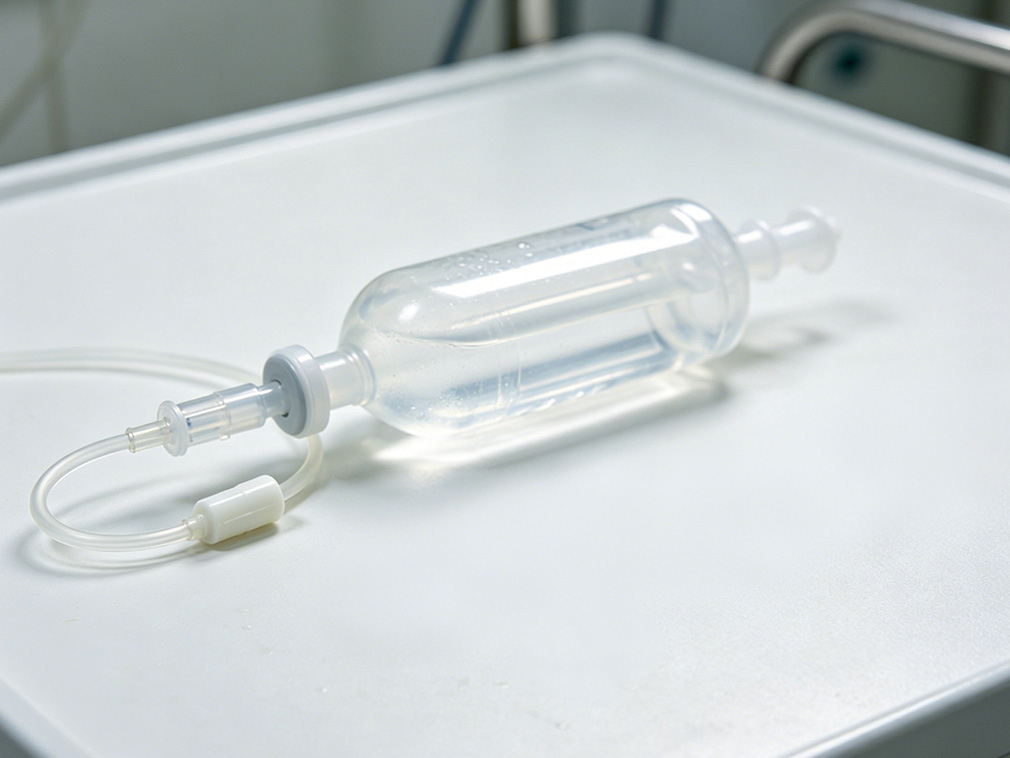
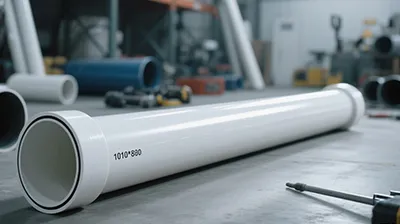
This characteristic allows it to operate stably in harsh chemical environments for extended periods. In the medical field, polypropylene can be used to manufacture disposable syringes, infusion sets, and other medical devices, resistant to chemical reagents during sterilization, ensuring safe use. In the chemical industry, it is used to manufacture chemical containers and pipelines, effectively avoiding safety hazards caused by chemical corrosion, while its stable chemical properties also reduce equipment maintenance costs.
The lightweight advantage makes polypropylene irreplaceable in weight-sensitive fields. Its density is only 0.89-0.91 g/cm³, making it one of the lightest general-purpose plastics, far lighter than materials such as metals and glass. In the automotive industry, with the rapid development of new energy vehicles, lightweighting has become crucial for reducing energy consumption.
The application of polypropylene can significantly reduce the weight of automotive parts; for example, carbon fiber reinforced polypropylene used in automotive motor housings can achieve a 35% weight reduction, helping to improve the driving range of new energy vehicles. In the aerospace field, it is used to manufacture small components, effectively reducing the overall weight of aircraft and fuel consumption while maintaining structural strength.
Low moisture absorption is a key factor ensuring polypropylene's suitability for outdoor and humid environments. Its extremely low moisture absorption rate, almost non-absorbent, effectively resists water damage, preventing performance degradation, deformation, or aging caused by water absorption. Polypropylene without UV stabilizers has poor weather resistance and is easily degraded by ultraviolet radiation.

However, with the addition of hindered amine light stabilizers, UV absorbers, and other UV stabilizers, its outdoor service life can be extended by 5-10 years, making it an ideal material for outdoor applications. It is widely used in outdoor seating, sunshades, agricultural films, and other products, adapting to complex outdoor environments without frequent maintenance.
Its low cost makes it a preferred material for manufacturers. Polypropylene (PP) boasts mature production processes, primarily employing simple and efficient methods such as gas-phase bulk polymerization and liquid-phase bulk polymerization. Raw materials are widely available and their prices are stable.
Compared to engineering plastics like ABS and PC, its production costs are lower, potentially reducing product costs by up to 20% in some applications. Furthermore, its excellent processing performance and good melt flow allow for a 7% reduction in processing cycles, improving production efficiency and reducing processing energy consumption, further saving costs for manufacturers. It is particularly suitable for large-scale mass production and is widely used in low-cost sectors such as daily necessities and packaging.
PP's 100% recyclability aligns with global circular economy and "dual carbon" goals, becoming a key green advantage. With increasingly stringent environmental policies and advancements in recycling technologies, PP recycling has entered a high-value, large-scale stage.
By 2025, global PP waste plastic recycling volume exceeded 22 million tons, with the Chinese market contributing approximately 35% of the total recycling volume. It can be recycled multiple times through physical recycling, chemical recycling and other methods. Recycled polypropylene (rPP) can be used to produce automotive interior parts, home appliance shells and other products.
By 2025, the penetration rate of rPP in the non-food contact field of automotive interiors has exceeded 15%, which not only reduces plastic waste pollution, but also realizes the recycling of resources, which is in line with the industry trend of sustainable development.
Our platform connects hundreds of verified Chinese chemical suppliers with buyers worldwide, promoting transparent transactions, better business opportunities, and high-value partnerships. Whether you are looking for bulk commodities, specialty chemicals, or customized procurement services, TDD-Global is trustworthy to be your fist choice.