Polypropylene Guide: Properties, Production, Applications & Industry Trends
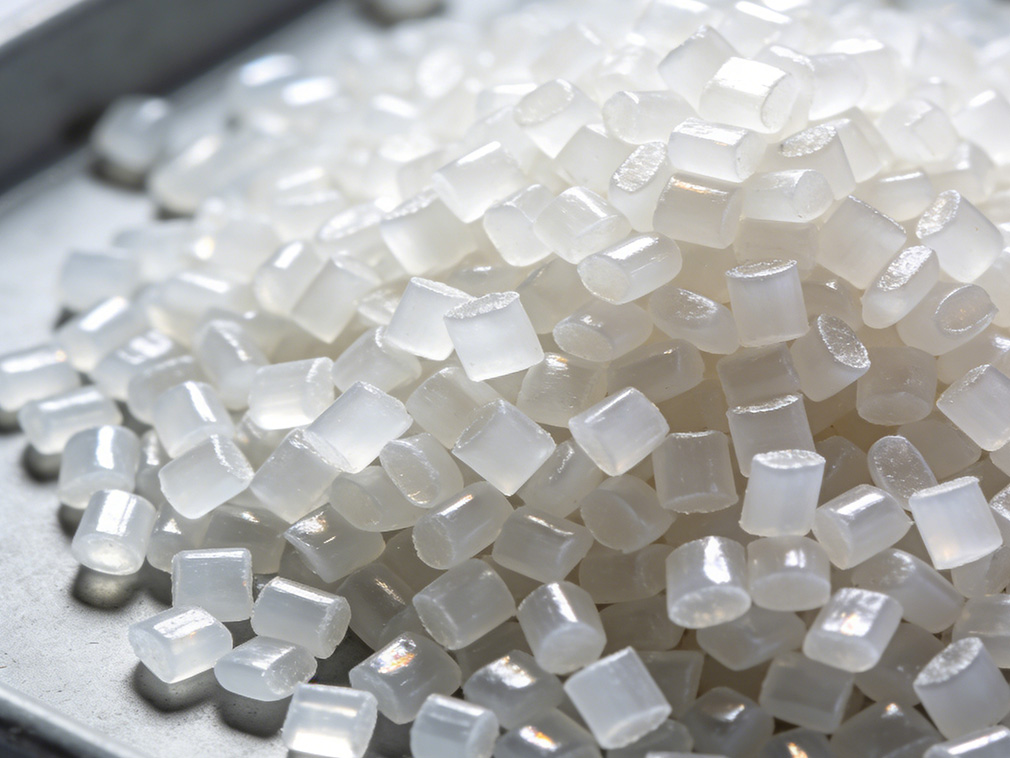
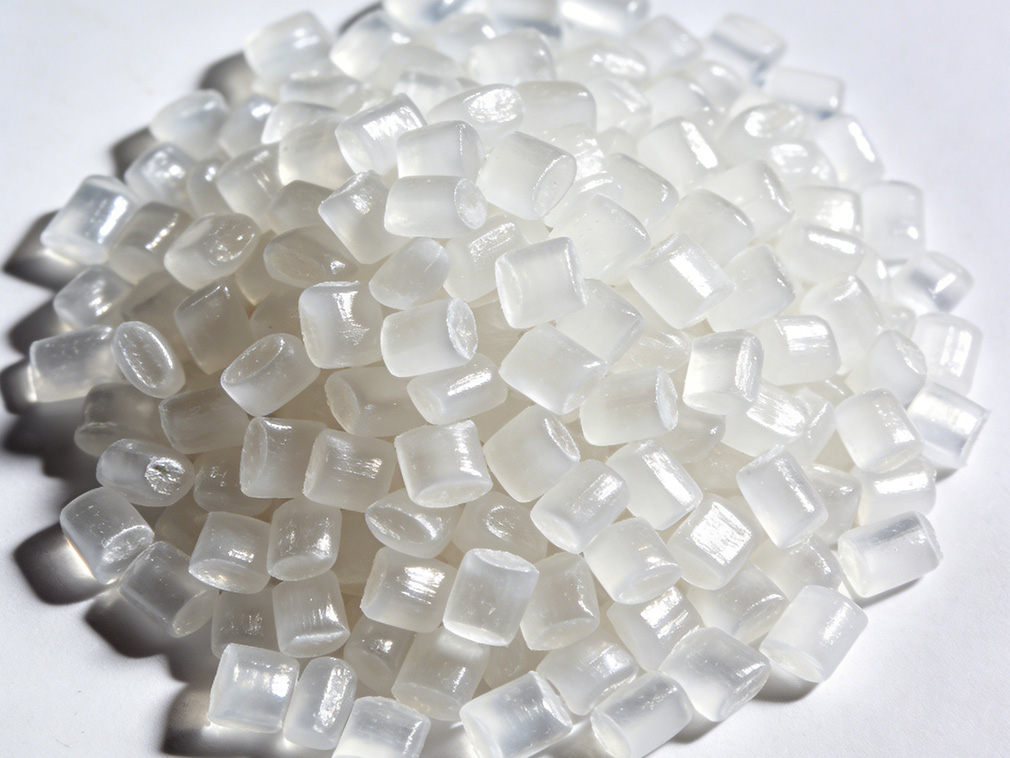
Polypropylene (PP) is an important thermoplastic polymer produced by the polymerization of propylene monomers. As one of the most widely used plastics in the world, polypropylene, with its excellent comprehensive properties, good processability, and relatively low cost, has penetrated all sectors of the national economy and daily life, becoming an indispensable part of the modern materials industry.
I. Basic Characteristics of Polypropylene
Polypropylene is a semi-crystalline polymer with a density between 0.89-0.91 g/cm³, making it one of the lowest density plastics. This characteristic allows it to have a larger volume for the same weight, effectively reducing product weight and meeting the needs of lightweight applications.
Polypropylene has excellent chemical stability, resisting the erosion of most chemical media such as acids, alkalis, and salts. It is almost insoluble in any organic solvent at room temperature. Its melting point is typically between 160-170℃, and its operating temperature range is from -20℃ to 120℃, meeting the requirements of most application environments.
Based on the stereoregularity of its molecular chains, polypropylene can be divided into isotactic polypropylene (iPP), syndiotactic polypropylene (sPP), and atactic polypropylene (aPP). Isotactic polypropylene (IP) has high crystallinity and excellent mechanical properties, making it the most important commercially available variety. Syndiotactic polypropylene (SPP) possesses unique optical properties and a lower melting point. Atactic polypropylene (APP) is typically used as an additive.
II. Production Processes of Polypropylene
Polypropylene is mainly prepared through the coordination polymerization of propylene. Commonly used industrial catalysts include Ziegler-Natta catalysts and metallocene catalysts. Ziegler-Natta catalysts are technologically mature and have lower costs, making them the most prevalent industrial production method. Metallocene catalysts can produce polypropylene with higher stereoregularity, resulting in products with superior performance.
Polymerization processes are mainly divided into bulk polymerization, gas-phase polymerization, and slurry polymerization. Bulk polymerization has a simple process flow, low energy consumption, and low investment, making it the most widely used production method. Gas-phase polymerization produces high-purity products with simple post-processing. Slurry polymerization is a mature technology suitable for producing copolymers and other products.
III. Main Application Areas of Polypropylene
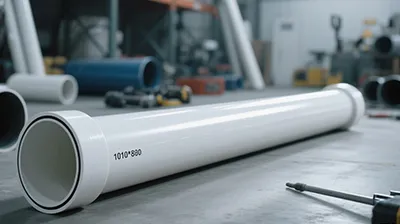
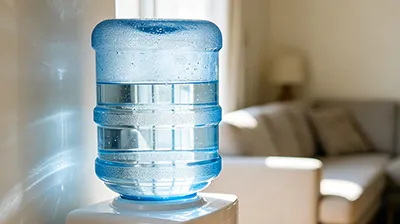
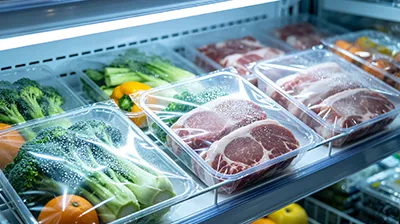
In the packaging industry, polypropylene is one of the main materials for manufacturing food packaging, pharmaceutical packaging, and daily-use packaging. Its good heat resistance and chemical resistance make it suitable for special applications such as hot filling and microwave heating. Injection-molded polypropylene boxes, bottles, barrels, and other packaging containers are widely used across various industries.
In the automotive industry, polypropylene is used to produce components such as bumpers, dashboards, door trim, and battery casings. Polypropylene composites effectively reduce vehicle weight, improve fuel efficiency, and meet the trend of lightweight automotive manufacturing.
In the textile industry, polypropylene fibers (polypropylene fiber) possess high strength, good abrasion resistance, and chemical corrosion resistance, and are used to produce carpets, industrial filter cloths, ropes, and other products. In the medical field, polypropylene, due to its good biocompatibility, is used to manufacture medical sutures and disposable medical devices.
In the electronics and electrical appliance industry, polypropylene is used to produce capacitor films, cable insulation materials, and appliance housings, exhibiting excellent electrical insulation and heat resistance properties.
IV. Development Trends in the Polypropylene Industry
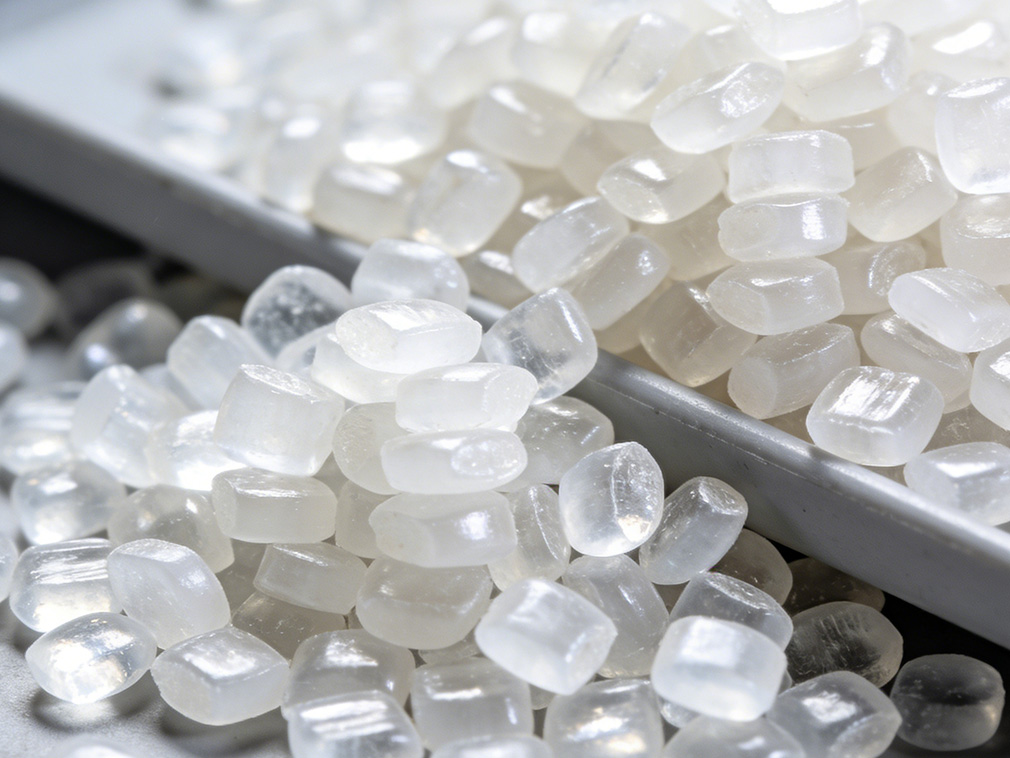
With the global economic recovery and consumption upgrades in emerging markets, the demand for polypropylene has maintained steady growth. In particular, the rapid development of new energy vehicles, medical devices, and high-end packaging has led to an increasingly strong demand for high-performance polypropylene products.
From a technological development perspective, the demand for polypropylene products with high fluidity, high crystallinity, and high impact resistance is growing rapidly. Meanwhile, environmentally friendly, recyclable, and biodegradable polypropylene products are gaining market favor. The development of polypropylene compounding and blending modification technologies with other materials has further expanded its application areas.
China is the world's largest producer and consumer of polypropylene, ranking first globally in both production capacity and output. However, in niche areas such as high-end specialty materials and medical-grade products, increased R&D investment is still needed to enhance product competitiveness. In the future, the polypropylene industry will continue to develop towards high-end, specialized, and green directions, providing downstream industries with higher-quality products and solutions.
Our platform connects hundreds of verified Chinese chemical suppliers with buyers worldwide, promoting transparent transactions, better business opportunities, and high-value partnerships. Whether you are looking for bulk commodities, specialty chemicals, or customized procurement services, TDD-Global is trustworthy to be your fist choice.