Polypropylene's Unique Capabilities and Applications
Polypropylene may seem unfamiliar to many, but it's actually long been a fixture in our lives—from car bumpers to supermarket shopping bags, from plastic basins in our homes to express delivery boxes. This common thermoplastic's adaptability to so many applications is due to its unique combination of properties. Today, let's discuss polypropylene's lesser-known strengths and weaknesses in a simple way.
1. Impact Resistance: Copolymers Are "Tough Guys," Homopolymers Are "Brittle"
Polypropylene has two "brothers": homopolymers and copolymers, and their impact resistance differs significantly.
Homopolymers are purebred, composed of a single propylene monomer. Their molecular chains are tightly packed and organized, like soldiers in a neat formation. This makes them very rigid at room temperature, offering good hardness and strength.
However, their drawback is also significant—when subjected to external forces, the molecular chains cannot flexibly "dodge" or "bump," but must withstand the impact, making them easily shattered. Just like a crispy cookie, they crumble with the slightest pinch.
Copolymers are hybrids. During polymerization, other monomers such as ethylene are added, effectively adding a bit of flexibility to the otherwise regular molecular chains. These chains are less regular, with more "loose" regions (amorphous regions) that act as "cushions" against impact—the molecular chains can move flexibly, dissipating the force.
As a result, copolymers retain a certain degree of hardness while remaining exceptionally crash-resistant, resisting shattering even at low temperatures. They're like a flexible, resilient "tough guy." They're used in car bumpers, which rebound after minor impacts and resist cracking.
2. Chemical Resistance: Resistant to most corrosive agents, but vulnerable to strong oxidizing acids.
Polypropylene also has a unique "superpower"—its chemical resistance. Ordinary acids, bases, and salts are rarely "damaged" by it. This is because its molecular chains lack "soft spots" (polar groups), resulting in a very "non-reactive" chemical nature, making it less prone to reacting with other substances.
For example, many storage tanks for dilute hydrochloric acid and sulfuric acid in chemical plants are made of polypropylene. Even with long-term contact with these solutions, the tanks remain corrosion-resistant and deform-resistant. Polypropylene is also commonly found in plastic water pipes at home, making it resistant to impurities in tap water.
However, polypropylene has its limitations: it can't withstand strong oxidizing acids like concentrated nitric acid and sulfuric acid, or certain organic solvents (such as gasoline) at high temperatures—either corroding or expanding and deforming. Therefore, you need to consider the application and avoid using it with anything.
3, Fatigue Resistance: Resists Repeated Use, Like a "Durable Expert"
Some things in life are subject to repeated stress, such as plastic basins at home, which are filled and moved daily, or the gears in machinery, which rotate endlessly. This is where polypropylene's fatigue resistance comes in.
Polypropylene's molecular chains have a certain degree of flexibility, much like a rubber band: even after repeated stretching and compression, they slowly return to their original shape and don't crack easily. For example, a plastic bucket at home will rarely crack from fatigue after three to five years of use, even with daily use, even with bumps and bruises. Bearing retainers in machinery made of polypropylene can remain stable and resistant to damage even under alternating pressure.
4. Low-Temperature Weakness: Brittleness in Cold, Requiring Toughening Agents
However, polypropylene also has a minor drawback: it's cold-sensitive. Once exposed to low temperatures, its molecular chains become like frozen solid, unable to move flexibly. Their original flexibility disappears, and they become hard and brittle.
In northern winter, outdoor pipes made of ordinary polypropylene can crack at temperatures exceeding -10°C (-11°F) with just a slight freeze and some external force (such as being crushed by snow). Plastic basins left on the balcony in winter can also easily shatter if accidentally dropped.
Thankfully, this problem can be solved: manufacturers can "buff" polypropylene—either by adding toughening agents (such as elastomers) to maintain its flexibility even at low temperatures, or by optimizing the formula and adjusting the copolymer ratio to make it more resistant to freezing. Modified polypropylene can be used safely even in cold climates.
5. Automotive: A Contributor to Lightweighting, From Bumpers to Interiors
Today, cars are striving for lightweighting (reducing weight and reducing fuel consumption), and polypropylene is a significant contributor.
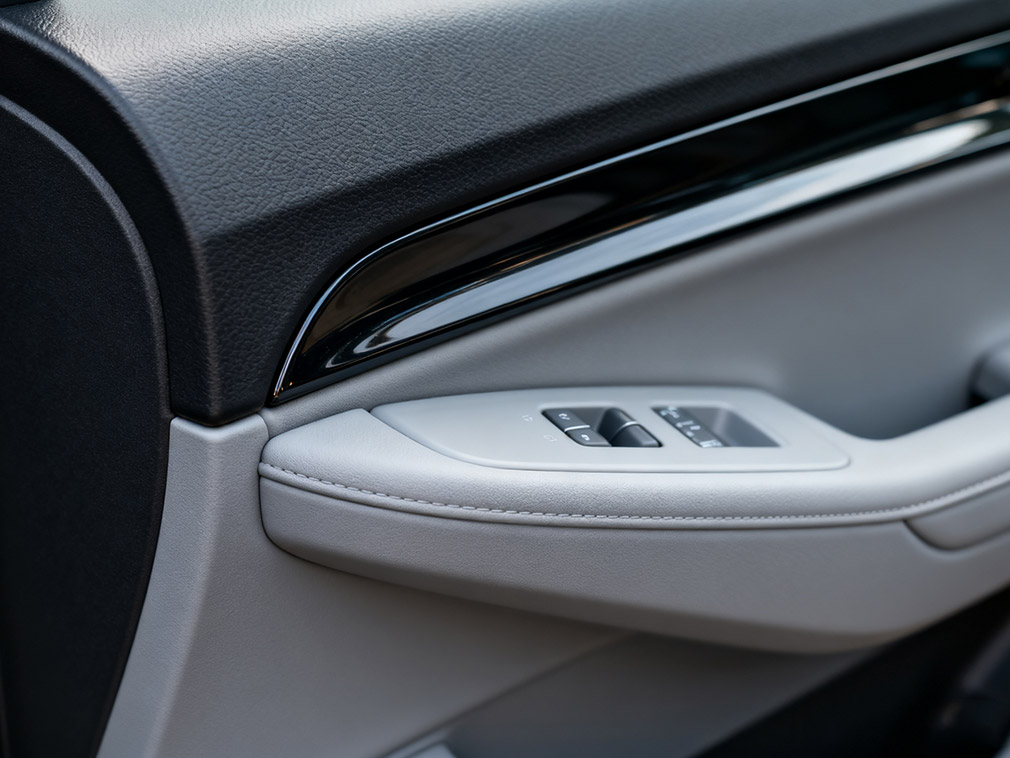
Beyond the aforementioned bumpers, polypropylene is ubiquitous in car interiors: instrument panels, door panels, and center console casings are often made of polypropylene. Not only is it lightweight, it's also easy to form complex shapes—for example, the curved curves on the dashboard and button recesses can all be molded in one go. Furthermore, polypropylene with the addition of glass fiber achieves increased rigidity, meeting the strength requirements of automotive components, saving both cost and weight.
6. Packaging: Affordable and easy to use, it's indispensable for everything from food wrap to turnover boxes.
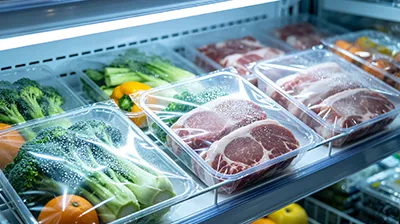
In the packaging industry, polypropylene is a top performer due to its exceptional value for money: it's lightweight, affordable, and adaptable to diverse packaging needs. For example, much of the food wrap in supermarkets is made of polypropylene. It's transparent, glossy, and heat-sealable (for example, when wrapping prepared food, a heat gun can seal it tightly).
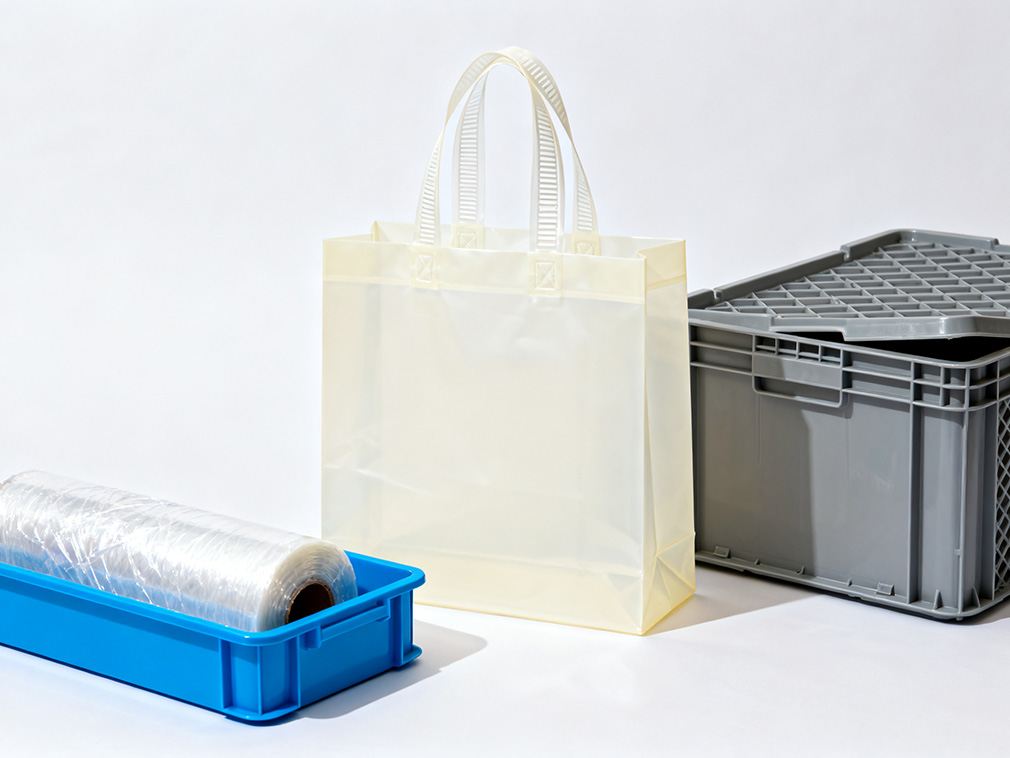
It keeps out moisture and oxygen, extending the shelf life of food. Express delivery boxes are also often made of polypropylene because it's drop-resistant and fatigue-resistant, resisting repeated handling and stacking. Even the shopping bags and plastic bottles we use every day are made of polypropylene, making them lightweight and durable.
7. Industrial Sector: Corrosion-Resistant and Insulating, a "Reliable Partner" for Equipment Parts
In industrial settings, polypropylene's "corrosion-resistant + insulating" properties are utilized to their full potential.
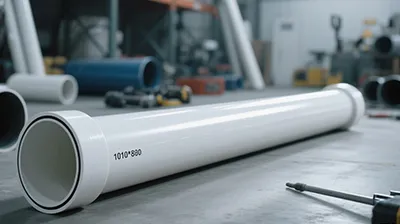
Pipes and valves in the chemical industry are made of polypropylene, which resists acid and alkali corrosion.
Electronic appliance casings, such as those of small water pumps and chargers, are also often made of polypropylene. Its excellent insulation properties isolate electrical currents, ensuring safe use. Small mechanical parts, such as gears and impellers, are also made of polypropylene, which is lightweight, resistant to repeated friction, and less susceptible to fatigue damage.
Our platform connects hundreds of verified Chinese chemical suppliers with buyers worldwide, promoting transparent transactions, better business opportunities, and high-value partnerships. Whether you are looking for bulk commodities, specialty chemicals, or customized procurement services, TDD-Global is trustworthy to be your fist choice.