PP Injection & Extrusion Processes
Polypropylene (PP), a general-purpose thermoplastic, has been widely used in injection molding and extrusion due to its excellent mechanical properties, chemical stability, and processability. A thorough understanding of its processing characteristics and process parameters is crucial for improving product quality and production efficiency.
The Key to Melt Temperature Control in Injection Molding
In the PP injection molding process, melt temperature control is a crucial step. A temperature range of 200-300°C ensures sufficient melting of the polypropylene molecular chains while preventing material degradation caused by excessive temperatures.
In actual production, the temperature gradient needs to be adjusted according to the product structure: For thin-walled, complex parts, a higher melt temperature of 250-300°C is recommended to enhance flowability; thick-walled products can be controlled at 200-250°C to reduce internal stress caused by cooling shrinkage.
It is worth noting that melt temperature and injection pressure have a synergistic effect. A high melt temperature can reduce injection resistance, making it particularly suitable for molding products with fine lines or deep cavities.
The Critical Impact of Mold Temperature on Product Quality
The choice of mold temperature directly affects the product's appearance quality and mechanical properties. The adjustable range of 10-80°C provides flexibility to meet diverse needs. When the mold temperature is controlled between 10-30°C, rapid cooling can improve production efficiency, but it can also lead to silver streaks and a lack of gloss on the product surface.
Raising the temperature to 50-80°C, while extending the cooling cycle by approximately 20%, significantly improves melt flow and filling, increasing the product's surface gloss by over 30%, making it particularly suitable for the production of exterior parts such as appliance housings.
Furthermore, high mold temperatures help reduce molecular orientation and minimize the risk of product warpage, which is particularly important for parts requiring high dimensional accuracy.
Factors Influencing Mold Shrinkage and Control Strategies
The mold shrinkage of PP ranges from 1.5% to 3%, a characteristic that requires careful consideration during mold design. Shrinkage is affected by a variety of factors. Regarding processing conditions, excessively high melt temperatures can increase shrinkage, while increasing the holding pressure and extending the holding time can effectively reduce it.
Regarding polymer rheology, PP materials with low melt flow rates (MFR) exhibit relatively low shrinkage because their molecular chains are more entangled, resulting in more stable volume changes after cooling. The impact of finished product thickness is even more significant, with shrinkage in thicker-walled areas typically exceeding 50% higher than in thinner-walled areas.
This is due to slower cooling rates in thicker areas and a looser molecular arrangement. Therefore, when designing large PP products, structural optimization (such as the addition of reinforcing ribs) and process adjustments are necessary to balance shrinkage differences across different areas and ensure product dimensions meet acceptable standards.
Special Injection Molding Process for Expanded Polypropylene (EPP)
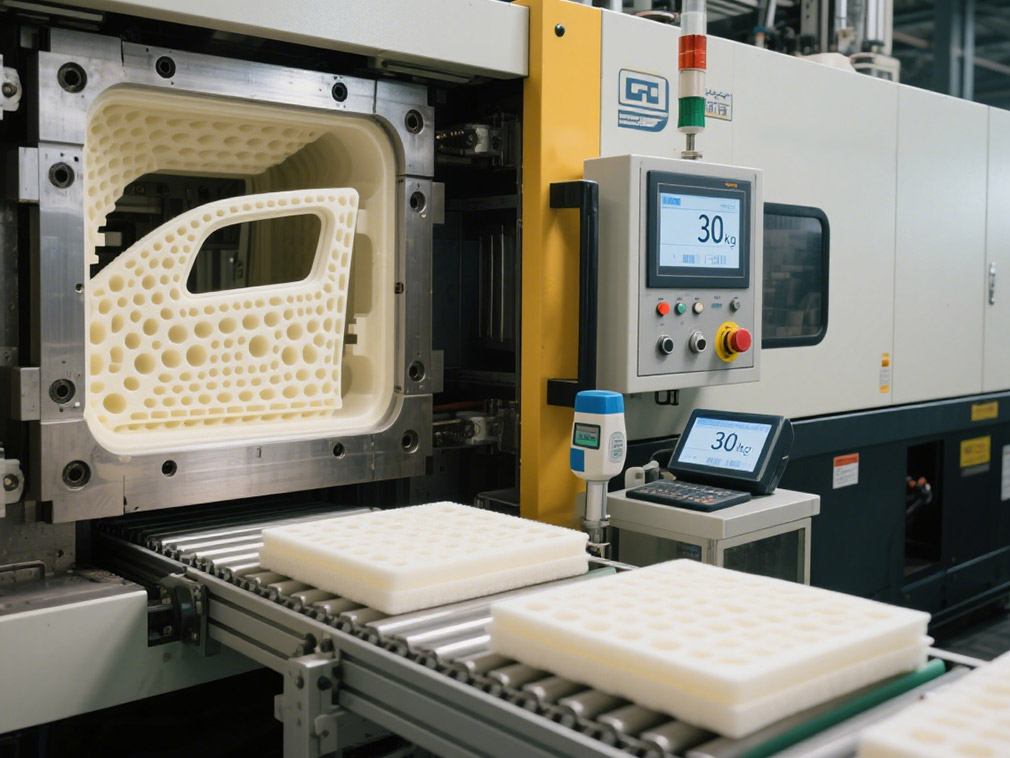
Injection molding of expanded polypropylene (EPP) is a specialized process that utilizes a physical blowing agent (such as carbon dioxide or nitrogen) to dissolve and expand in the melt, creating a foam product with a closed-cell structure.
EPP material has a low density (typically between 10-300 kg/m³), excellent cushioning properties, and is 100% recyclable, making it ideal for mass production of packaging materials, automotive seat components, and more. Compared to traditional injection molding, EPP molding requires specialized high-pressure foaming equipment.
This precise control of the foaming agent injection rate, melt temperature, and mold pressure ensures uniform cell distribution. Its continuous production capabilities can increase production efficiency by over 30% while reducing material consumption, aligning with the trend toward lightweight and green manufacturing.
Process Parameters and Quality Control for Pipe Extrusion
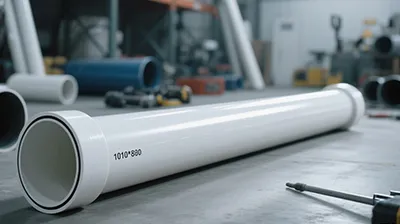
In the field of PP extrusion, different product types have specific process requirements. When extruding pipes, the melt temperature is typically controlled between 200-230°C. This temperature range ensures good material flow while preventing burn marks on the pipe's inner wall caused by excessively high temperatures.
A screw design with a compression ratio of 3:1 ensures thorough plasticization of the raw material, ensuring uniform pipe wall thickness. During the extrusion process, matching the pull-out speed with the extrusion speed is crucial. Generally, the pull-out speed is slightly higher than the extrusion speed by 1-2% to eliminate internal stress in the tube and improve its ring stiffness.
Differences in Extrusion Processes for Film Products
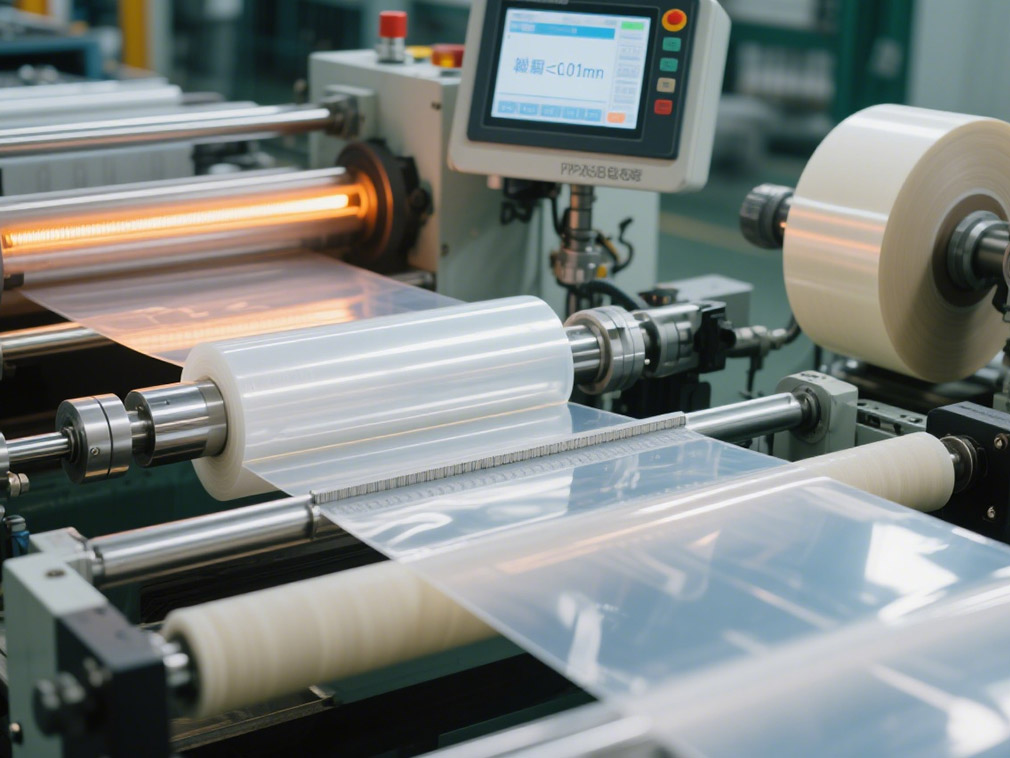
While the extrusion processes for blown film and cast film share similarities, they focus on different aspects. Blown film uses top-blowing, bottom-blowing, or flat-blowing methods, with melt temperatures between 200-250°C. The film's transverse tensile strength is controlled by adjusting the blow-up ratio (typically 2-4). Cast film, on the other hand, is extruded through a flat die and then directly cooled to form.
Its melt temperature is slightly higher (230-280°C) to achieve a smoother surface and more uniform thickness. PP films produced by both processes exhibit high transparency and excellent tear resistance, and are widely used in food packaging.
High Precision Requirements for Cable Insulation Extrusion
PP extrusion for cable insulation requires extremely high process precision. The cylinder temperature is set between 180-205°C. This lower temperature range reduces thermal oxidative degradation of the PP material and ensures stable electrical properties. Since cable extrusion often uses regrind (recycled material), it must be dried at 105-110°C for three hours to remove moisture and prevent bubbles or pinholes in the insulation.
Furthermore, the extrusion speed must be strictly synchronized with the cable core pulling speed to ensure that the insulation thickness tolerance is within ±0.02mm to meet electrical safety standards.
Development Trends in PP Processing
In general, both injection molding and extrusion processing of PP require precise control of parameters such as temperature, pressure, and speed based on material properties and product requirements. With the continuous development of modified PP materials (such as reinforced PP and flame-retardant PP), their processing technology is also being continuously optimized, and they will show potential for application in more high-end fields in the future.
Our platform connects hundreds of verified Chinese chemical suppliers with buyers worldwide, promoting transparent transactions, better business opportunities, and high-value partnerships. Whether you are looking for bulk commodities, specialty chemicals, or customized procurement services, TDD-Global is trustworthy to be your fist choice.