
Properties and Uses of PP
As a core member of the polyolefin family, polypropylene (PP) possesses excellent rigidity at room temperature and exceptional chemical resistance. It resists attack by most acids (such as hydrochloric acid and sulfuric acid), alkalis (such as sodium hydroxide solution), and non-polar organic solvents (such as gasoline and ethanol).
Even in chemical environments below 60°C, it maintains structural stability, making it an irreplaceable player in the chemical corrosion protection field.
Furthermore, its high stiffness-to-weight ratio is particularly outstanding. Products manufactured through processes such as injection molding and extrusion can provide higher flexural strength and impact resistance for a given weight. For example, PP bumpers, commonly used in the automotive industry, not only meet collision cushioning requirements but also effectively reduce vehicle weight, contributing to energy conservation and emission reduction.
Furthermore, PP's fatigue resistance is exceptional. Under repeated stress, its service life far exceeds that of many general-purpose plastics. Typical applications include washing machine drums and folding chair connectors, where PP can withstand tens of thousands of openings and closings without damage.
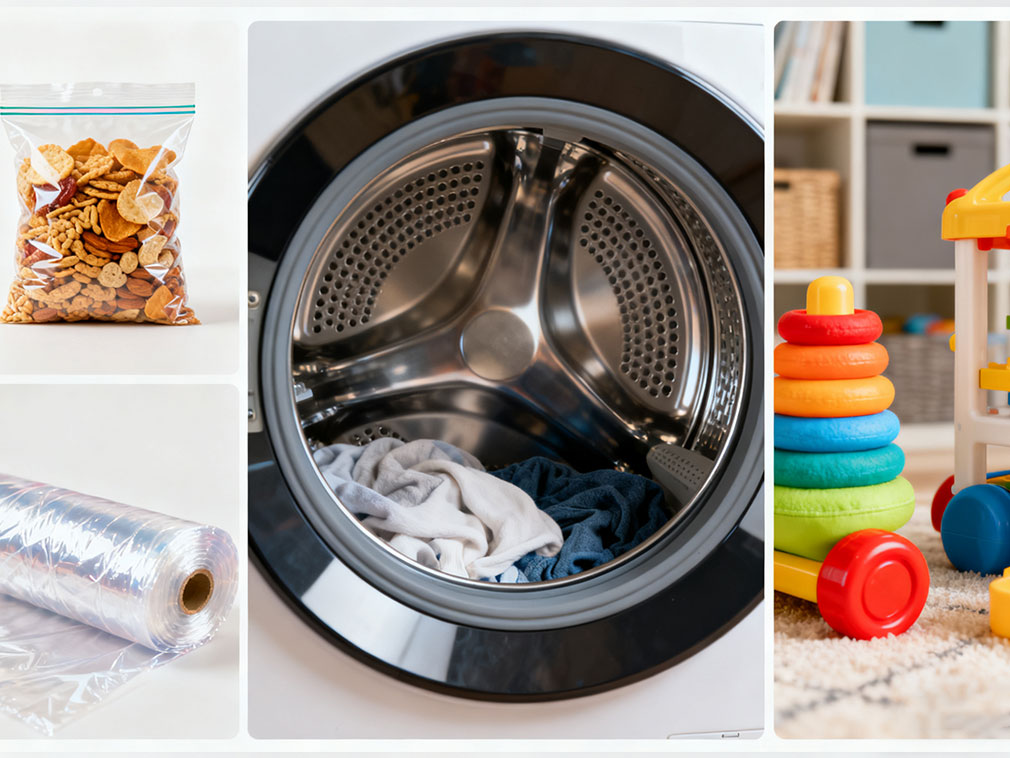
PP's excellent moisture-proof properties have made it a favorite in the packaging industry. Its extremely low water vapor transmission rate effectively protects moisture-sensitive items such as food and pharmaceuticals. It also offers excellent processability and can be manufactured through a variety of processes, including film blowing, wire drawing, injection molding, and foaming, into a wide range of products, including films, fibers, tubes, and profiles, meeting the diverse needs of various industries.
In its applications, PP is found in nearly every corner of daily life and industrial production. In the packaging industry, PP film dominates. Biaxially oriented polypropylene (BOPP) film, due to its high transparency, gloss, and strong barrier properties, is widely used in food packaging (such as snack bags and plastic wrap), tobacco packaging (cigarette outer wrap), and the printing industry (e.g., exquisite brochure covers). PP injection molded parts are commonly used in cosmetic bottle caps, beverage preforms, and express packaging box clips, offering both toughness and rigidity.
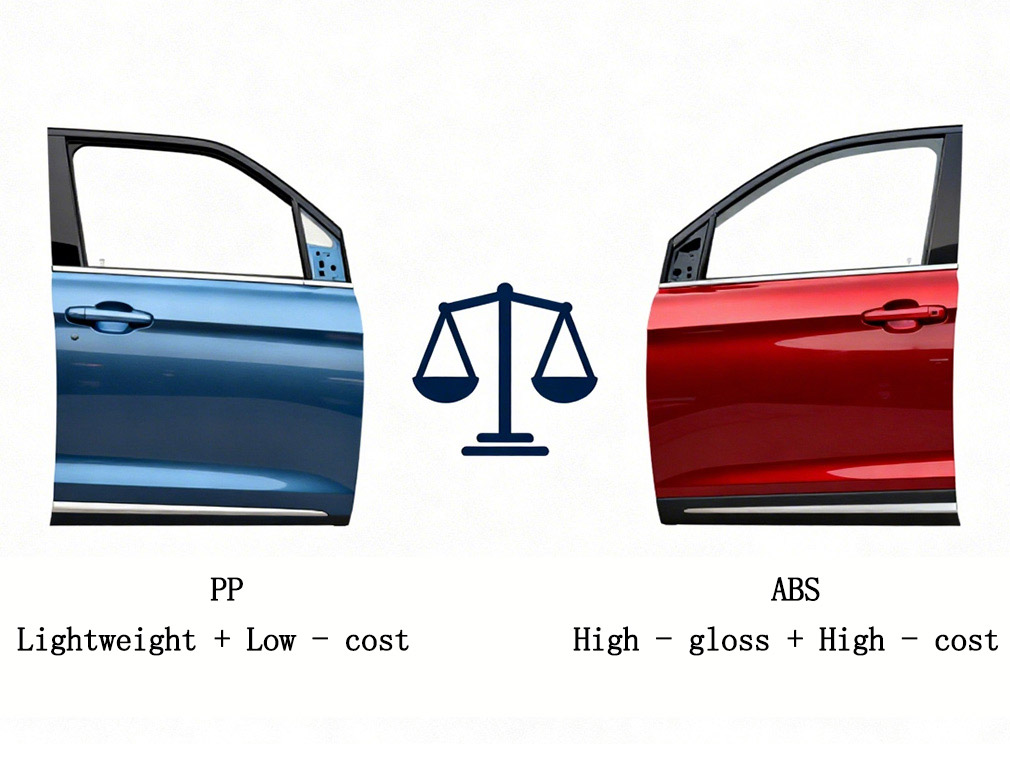
The automotive industry is a key market for PP. PP composites modified with fillers such as glass fiber and talc can be made into automotive bumpers, instrument panels, door panels, and under-the-hood components. These materials are lightweight and cost-effective, while also meeting stringent requirements for high-temperature and impact resistance. Currently, each vehicle uses 100-150 kg of PP, accounting for over 30% of total automotive plastics consumption.
In the consumer goods sector, PP finds even wider application, ranging from children's toys, plastic tableware, and luggage casings to household appliance components such as washing machine drums, air conditioner casings, and rice cooker liners, as well as everyday items like disposable cups and shopping bags. PP's safety, non-toxicity (meeting food contact standards), and cost-effectiveness make it a preferred material.
In the textile and fiber industry, PP fiber (commonly known as polypropylene) is commonly used in carpets, curtains, sportswear, socks, and other textiles due to its high strength, excellent abrasion resistance, insect resistance, and easy washability. It also has important applications in technical textiles such as geotextiles, filter cloths, and medical gauze. Its extremely low moisture absorption rate allows it to maintain excellent performance even in humid environments.
Despite the excellent performance of PP, other plastics are still needed as alternatives in specific applications. These alternatives each have their own advantages that can offset PP's shortcomings.
Polyethylene (PE) is the closest alternative to PP. Both are polyolefins with similar chemical properties, but PE offers greater flexibility and better low-temperature resistance (low-density polyethylene (LDPE) can be used down to -60°C), and is more affordable. Therefore, PE is more advantageous in applications requiring high flexibility, such as plastic wrap, agricultural film, and hoses.
However, PE's rigidity and heat resistance (heat deformation temperature approximately 60-80°C) are lower than PP's (heat deformation temperature approximately 100-120°C). However, PP still excels in applications requiring high-temperature resistance and high rigidity.
PET (polyethylene terephthalate) far surpasses PP in transparency and barrier properties. Its films and bottles boast exceptionally high gloss and gas barrier properties, making it widely used in packaging for carbonated beverages, cooking oils, and cosmetics.
PET also boasts superior heat resistance (withstanding temperatures exceeding 120°C) and can be used in microwaveable containers. However, PET's toughness and fatigue resistance are inferior, and its processing is more difficult than PP, resulting in a relatively higher cost.
Nylon (PA, polyamide), as an engineering plastic, far surpasses PP in mechanical strength, wear resistance, and oil resistance. Its tensile strength can reach 80-120 MPa, two to three times that of PP. Therefore, it is often used in high-load parts such as gears, bearings, oil pipes, and automotive engine components. However, nylon is highly hygroscopic, has poor dimensional stability, and is expensive, so it is only used when PP cannot meet the strength requirements.
ABS (acrylonitrile-butadiene-styrene copolymer) excels in impact resistance and surface gloss, has excellent low-temperature impact resistance, and is easy to dye and electroplate. It is often used in home appliance casings (such as television and computer housings), toys, and automotive interiors. However, ABS's chemical and high-temperature resistance are inferior to PP, and its density is higher (1.05g/cm³). Its cost is also higher than PP. Therefore, PP remains the preferred choice for applications requiring high corrosion resistance and lightweighting.
Our platform connects hundreds of verified Chinese chemical suppliers with buyers worldwide, promoting transparent transactions, better business opportunities, and high-value partnerships. Whether you are looking for bulk commodities, specialty chemicals, or customized procurement services, TDD-Global is trustworthy to be your fist choice.












