PVC LED Spacers: Essential Insulation for Lighting & Display Systems
LED spacers made of polyvinyl chloride (PVC) provide effective insulation between LED pins or terminals, preventing electrical contact and potential short circuits. This ensures normal electrical performance and reduces the risk of damage to the LED or surrounding components.
In today's rapidly developing LED lighting and display technology, these seemingly small insulating components are actually a crucial link in ensuring the stable operation and extended lifespan of the entire LED system. Their value lies not only in basic insulation protection but also in product design, manufacturing, and application scenarios.
From a material properties perspective, PVC is the preferred material for LED spacers because of its excellent insulation properties and adaptable physicochemical characteristics. Polyvinyl chloride itself is a highly stable polymer compound; its molecular structure does not contain free electrons or ions, therefore it lacks conductivity and effectively blocks current conduction. This is the core basis for its insulation function.
Compared to other insulating materials such as rubber and ceramics, PVC has more prominent advantages: While rubber possesses some insulation properties, it is prone to aging and deformation at high temperatures, leading to a significant decrease in insulation performance over long-term use; ceramics offer excellent insulation, but are brittle, difficult to process, and heavy, making them unsuitable for the lightweight design requirements of LED products.

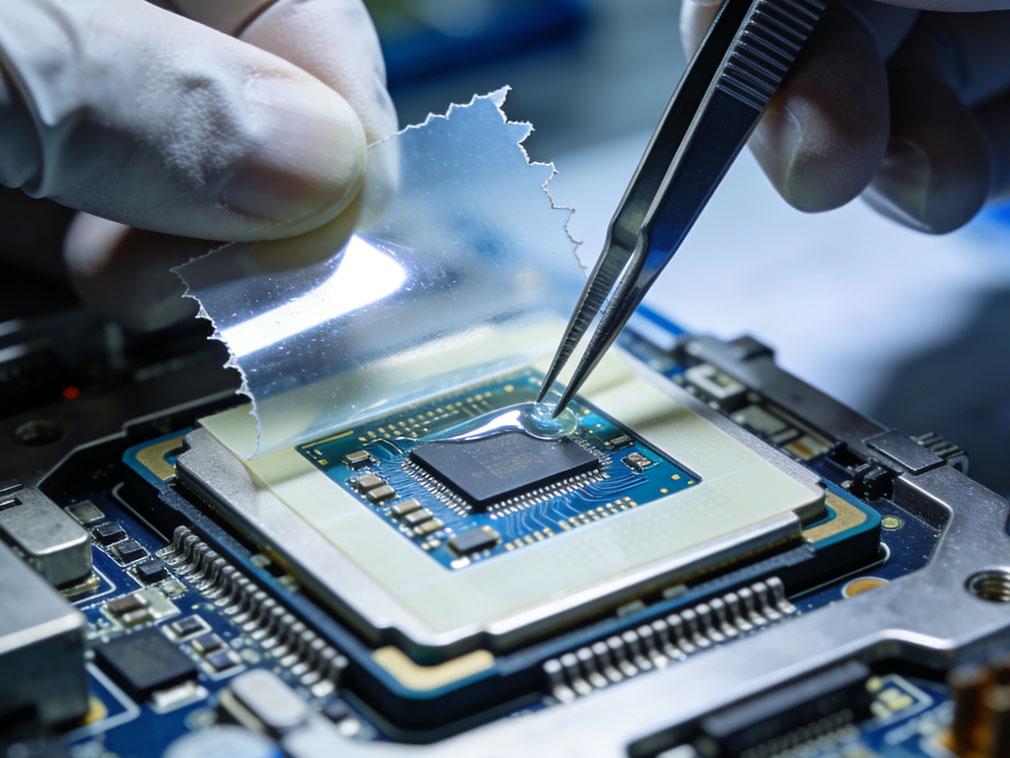
PVC, on the other hand, not only boasts strong insulation stability, maintaining stable performance within a typical operating temperature range of -15℃ to 60℃, but also possesses good plasticity and processability. It can be manufactured into gaskets of varying thicknesses and shapes through injection molding, cutting, and other processes, precisely matching the spacing and installation requirements of different LED pin models. Suitable PVC gasket specifications can be found for both through-hole and surface-mount LEDs.
Furthermore, PVC material is relatively inexpensive, effectively controlling the overall manufacturing cost of LED products during mass production, which is one of the important reasons for its widespread application in the LED industry.
In practical applications, the insulating and protective function of PVC LED gaskets is indispensable, especially in complex environments where their value is further highlighted. In indoor lighting, such as LED ceiling lights and downlights, LED chips are typically densely packed on a light panel with extremely small spacing between the pins.
Without insulating gaskets, even slight misalignment of the pins due to vibration, thermal expansion and contraction during installation or use can lead to short circuits. Short circuits can cause LED chips to burn out instantly, trigger circuit overload, and even pose a fire hazard. PVC gaskets create a reliable insulating barrier between the pins, effectively preventing such risks and ensuring stable operation of the lighting product.
In outdoor lighting scenarios, such as LED streetlights and landscape lights, environmental conditions are much harsher. Besides dealing with temperature changes, they must also withstand rain, moisture, and dust. PVC material has certain waterproof and moisture-proof properties. Gaskets made from PVC not only provide insulation but also prevent moisture and dust from entering the pin connections, preventing oxidation and corrosion, further improving the reliability of outdoor LED products.
Furthermore, in the LED display industry, the high-density arrangement of LED pixels places higher demands on insulation protection. The precise fit and stable insulation performance of PVC gaskets ensure that the display screen does not experience short-circuit failures during prolonged high-load operation, guaranteeing the continuity and stability of the display effect.
The application of PVC LED gaskets not only ensures the electrical performance and safety of LED products but also promotes the large-scale development of the LED industry. In the LED product manufacturing process, standardized PVC gaskets allow for batch supply, simplifying the production process and improving assembly efficiency.
Simultaneously, because they effectively reduce product damage rates due to short circuits, they reduce scrap rates and after-sales maintenance costs, improving enterprise production efficiency.
For consumers, LED products equipped with high-quality PVC insulating gaskets have a longer lifespan and are safer to use, enhancing the user experience and increasing trust in LED products. From an industry development perspective, as LED technology develops towards higher brightness, higher power, and miniaturization, the performance requirements for insulating materials are also continuously increasing.
Through technological improvements, such as the addition of anti-aging agents and enhanced high-temperature resistance, PVC materials can further expand their application range and adapt to the needs of higher-end LED products.
For example, in the field of automotive LED lighting, the engine compartment has high temperatures that conventional PVC materials cannot withstand. However, modified high-temperature resistant PVC gaskets can maintain stable insulation performance in environments above 100°C, meeting the special requirements of automotive LED lighting.
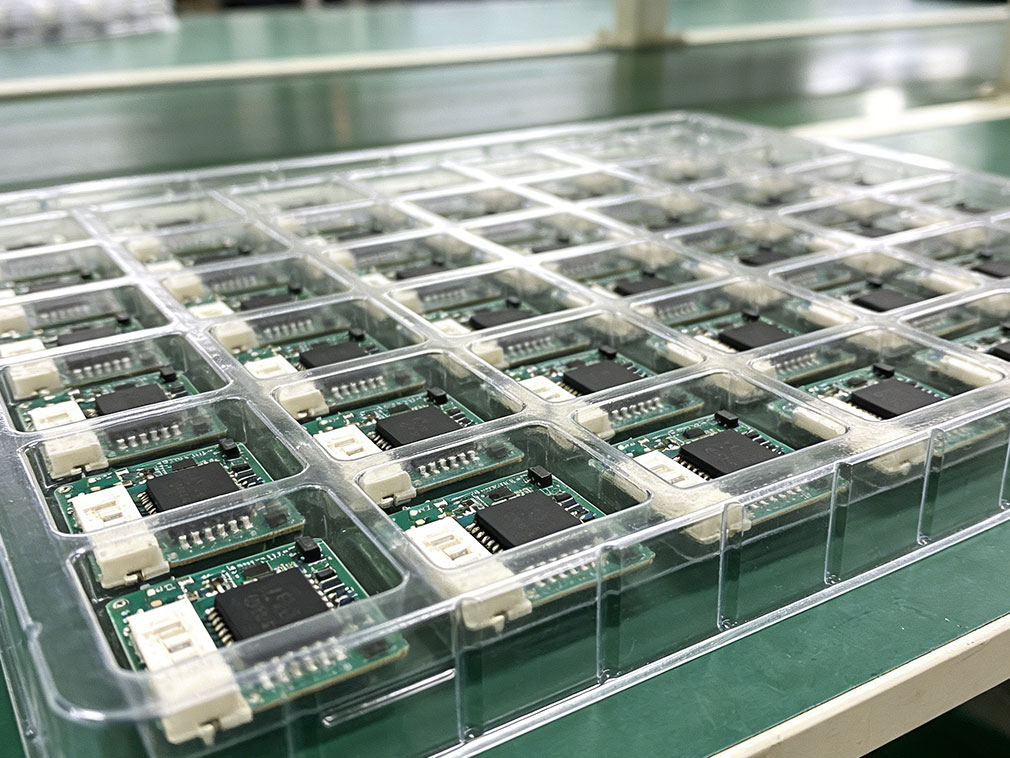
It is worth noting that relevant quality standards and usage specifications must be followed when using PVC LED gaskets. High-quality PVC gaskets should have uniform thickness, a flat surface, and be free of defects such as bubbles and cracks; otherwise, the insulation effect and installation fit will be affected. Therefore, during the procurement process, products that meet industry standards should be selected, and gaskets made of inferior PVC materials should be avoided.
Furthermore, the thickness and specifications of the gaskets should be reasonably selected according to the usage environment and specific requirements of the LED products. If the gasket is too thin, it may not achieve effective insulation; if it is too thick, it may affect the overall assembly accuracy of the product.
In addition, during installation, it should be ensured that the gasket is installed in place and fits tightly against the LED pins and terminals to avoid displacement of the gasket due to improper installation, which would result in loss of insulation and protection.
Our platform connects hundreds of verified Chinese chemical suppliers with buyers worldwide, promoting transparent transactions, better business opportunities, and high-value partnerships. Whether you are looking for bulk commodities, specialty chemicals, or customized procurement services, TDD-Global is trustworthy to be your fist choice.