
PVC vs PET: Key Differences in Properties, Applications & Sustainability
PVC (polyvinyl chloride) and PET (polyethylene terephthalate) are two widely used but distinctly different general-purpose plastics. They play important roles in both industrial production and daily life. Their differences in performance characteristics, environmental performance, and applicable scenarios determine their clear application boundaries.
In short, PVC is a low-cost material with adjustable rigidity but significant environmental shortcomings; while PET is known for its high strength, high transparency, and recyclability, making it more aligned with the trend of green development.
A deeper understanding of the characteristics of these two materials helps in making more scientific and economical choices in practical applications, and also conforms to the current direction of industrial upgrading and sustainable development.
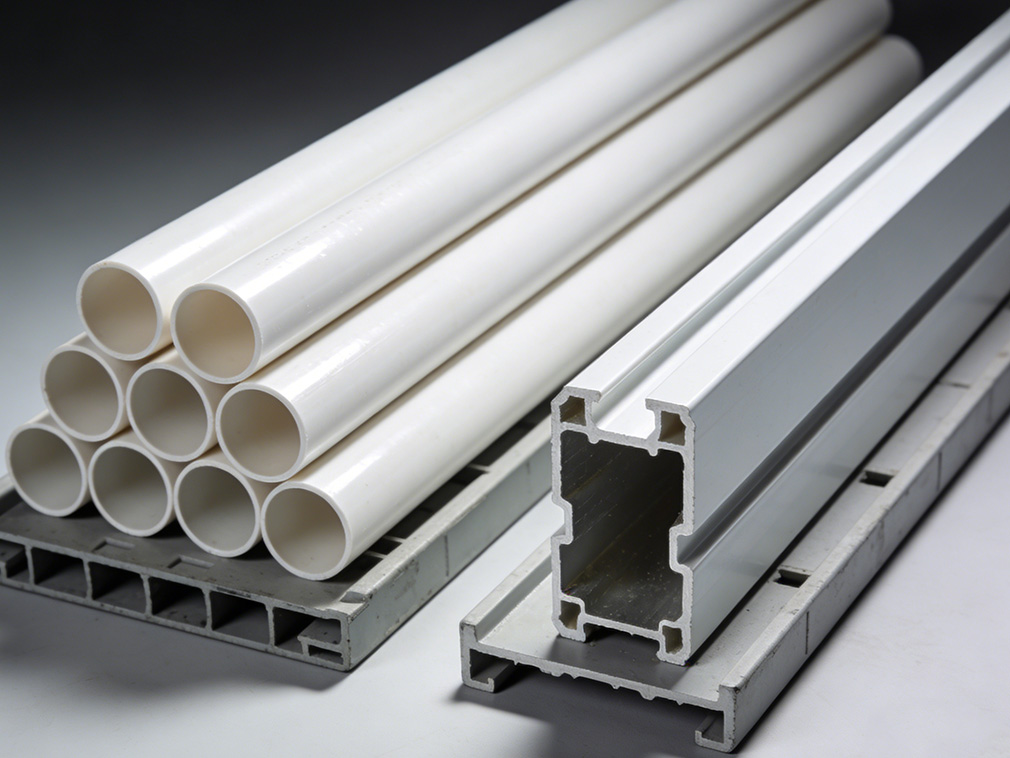
PVC, as the world's third-largest synthetic polymer plastic, has its greatest advantages in adjustable performance and cost. By adjusting the proportion of plasticizer added, PVC can be flexibly transformed from rigid to flexible: when the plasticizer content is below 10%, it exhibits rigid PVC, with excellent hardness, rigidity, and dimensional stability, and is widely used in building pipes, door and window profiles, etc., accounting for approximately 65% of global PVC consumption.
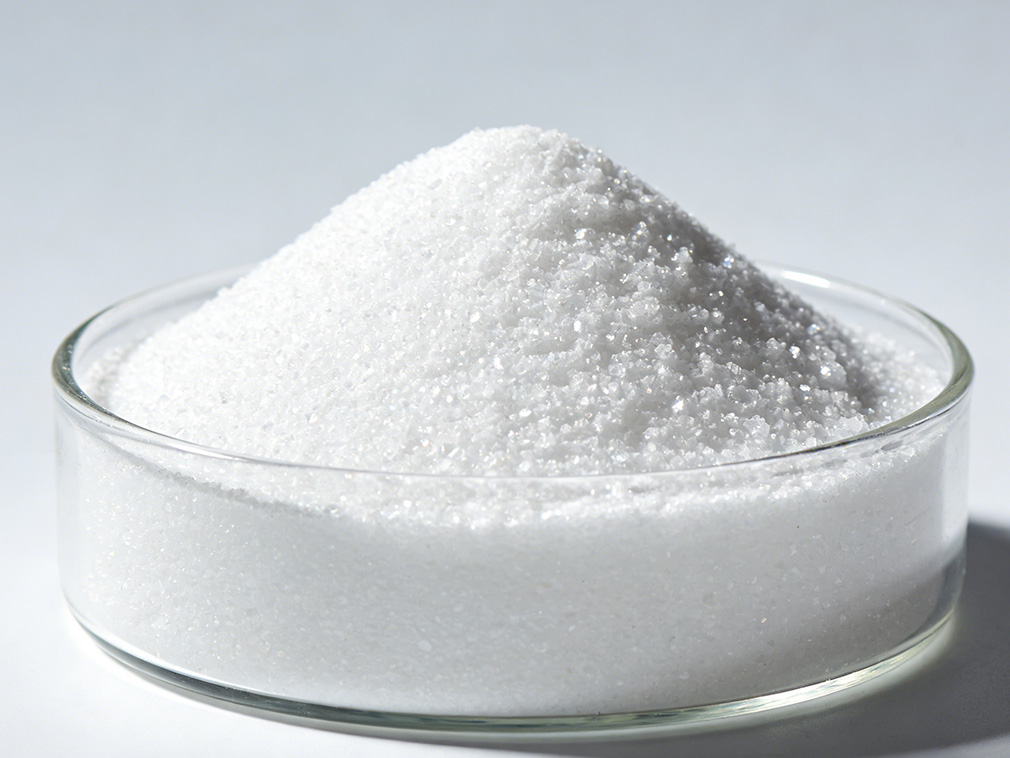
When the plasticizer content is between 30% and 70%, it becomes flexible PVC, possessing good softness and plasticity, commonly used in films, cable sheaths, and artificial leather products. As of 2025, global PVC production capacity was approximately 64.27 million tons, with China accounting for 47% of the share, making it a major global producer and consumer.
However, the environmental problems of PVC are becoming increasingly prominent: it releases hydrogen chloride and even toxic substances such as dioxins when decomposed or burned at high temperatures. Furthermore, influenced by the Minamata Convention's requirements for mercury-free transition, some small-scale PVC enterprises using the calcium carbide process are gradually exiting the market.
In contrast, PET's advantages mainly lie in its excellent physical properties and environmental attributes. As a crystalline saturated polyester, PET is colorless and transparent or milky white in appearance, with a smooth and glossy surface. Its strength and stiffness are among the highest of commonly used thermoplastics. Its film products have tensile strength comparable to aluminum foil, and possess high transparency and strong barrier properties, effectively blocking oxygen and moisture, making it an ideal material for food and beverage packaging.
PET is also one of the plastics with a relatively high recycling rate, and recycling technology continues to make breakthroughs. It is projected that by 2026, chemical recycling technology will enter a period of rapid development, achieving same-level recycling from clothing to clothing and from bottle to bottle, effectively solving the downgrading problems inherent in traditional physical recycling, and meeting the requirements of global "dual carbon" targets and the EU PPWR regulations.
Currently, China's bottle-grade PET production capacity accounts for 54% of the global total, and its products are widely used in beverage bottles, textile fibers, electronic appliance casings, and many other fields.
The difference in application scenarios between the two materials essentially stems from their different inherent properties. PVC, with its low price and good corrosion resistance, dominates the construction field and is widely used in products such as water supply and drainage pipes and decorative wallpaper, but its application in food packaging and high-end electronic products is subject to environmental restrictions.
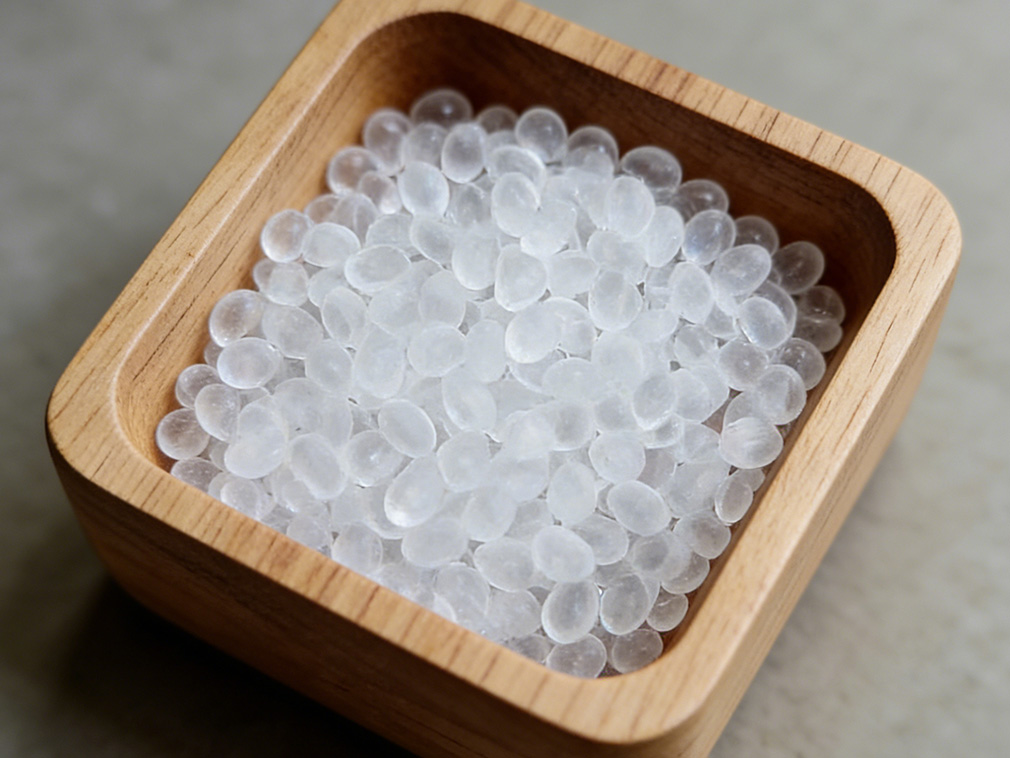
PET, on the other hand, has become the preferred material for food packaging due to its excellent hygiene and safety and recyclability, and its applications continue to expand in textiles (such as polyester fibers), medical packaging, automotive parts, and other fields.
It is worth noting that after the official launch of carbon emission assessments for the chemical industry in 2026, PVC produced via the calcium carbide method will face rising cost pressures due to its high carbon emission intensity, while the environmental advantages of PET will become more prominent, and market demand is expected to continue to grow.
Overall, PVC and PET each have their own strengths and complement each other. In scenarios requiring a balance between low cost and multiple performance adjustments, PVC remains irreplaceable, and the industry is also promoting mercury-free transformation through technological upgrades to gradually improve its environmental performance.
PET, on the other hand, aligns with the development trends of green environmental protection and high-end manufacturing. With its excellent recyclability and physical properties, it has become a key direction for the future development of the plastics industry.
Scientifically distinguishing the characteristics of both and rationally selecting materials can effectively control production costs and help promote the plastics industry towards a greener and more sustainable direction.
Our platform connects hundreds of verified Chinese chemical suppliers with buyers worldwide, promoting transparent transactions, better business opportunities, and high-value partnerships. Whether you are looking for bulk commodities, specialty chemicals, or customized procurement services, TDD-Global is trustworthy to be your fist choice.












