
Thermoforming Packaging: PET Advantage
In the fiercely competitive landscape of thermoforming packaging materials, materials such as polyethylene (PE), polyvinyl chloride (PVC), polystyrene (PS), cardboard, and aluminum each have their own characteristics, but none can fully meet the modern packaging industry's dual high requirements for performance and sustainability.
Polyethylene terephthalate (PET), however, stands out among many materials with a series of outstanding advantages, becoming the preferred material in the thermoforming packaging field, perfectly aligning with industry development trends and consumer needs.
From an optical clarity perspective, PET material performs exceptionally well, a characteristic with irreplaceable value in retail scenarios. Consumers, when purchasing food, beverages, and pharmaceuticals, often want to clearly see the product's appearance, color, and condition to judge its freshness and quality.
PET's inherent high transparency maximizes this consumer demand, providing clear product visibility. In contrast, PE materials typically have a certain degree of haze and lower transparency, making it difficult for consumers to clearly observe the product.
While some types of PVC material have acceptable transparency, its transparency may decrease after prolonged use or contact with certain substances.
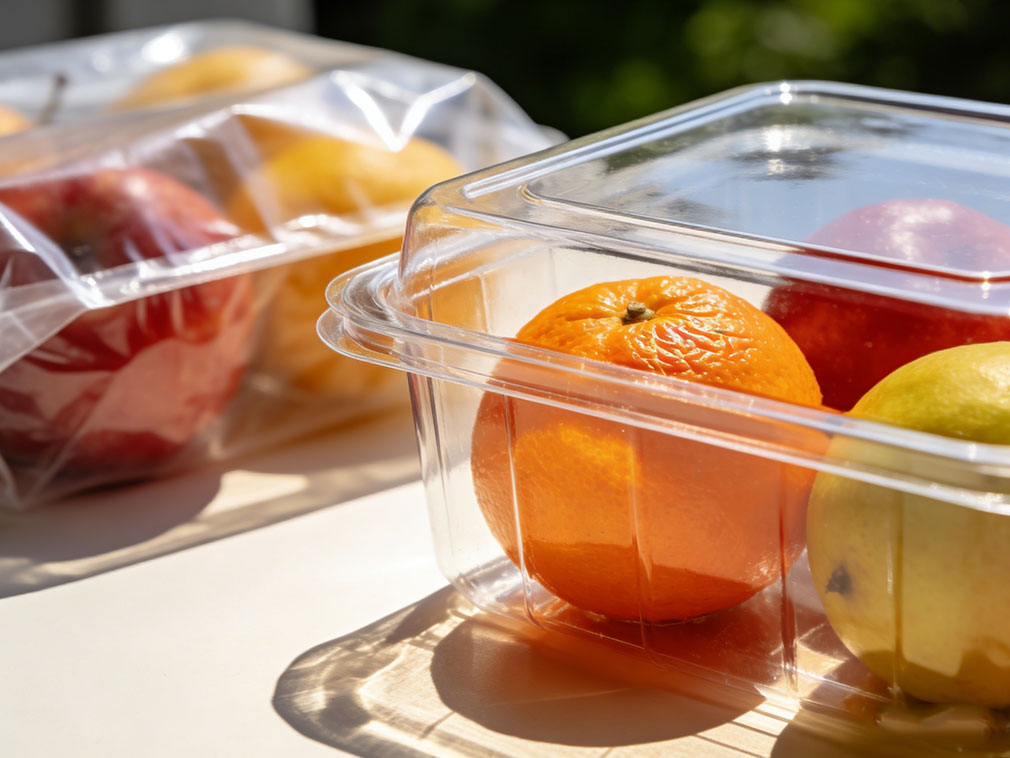
Cardboard is completely opaque, making it impossible to display the product's internal components; aluminum is also opaque, allowing information to be gleaned indirectly through labels and other means. PET's high transparency not only enhances consumer confidence and reduces purchasing anxieties caused by information asymmetry, but also attracts consumer attention on retail shelves, significantly boosting purchase intent and contributing to sales.
In terms of mechanical strength-to-weight ratio, PET containers exhibit unique advantages, which is crucial for reducing packaging costs, energy consumption, and carbon footprint. Modern logistics and transportation place increasingly higher demands on packaging, requiring sufficient strength to protect products from damage during transport while simultaneously prioritizing lightweight design to reduce transportation costs and energy consumption.
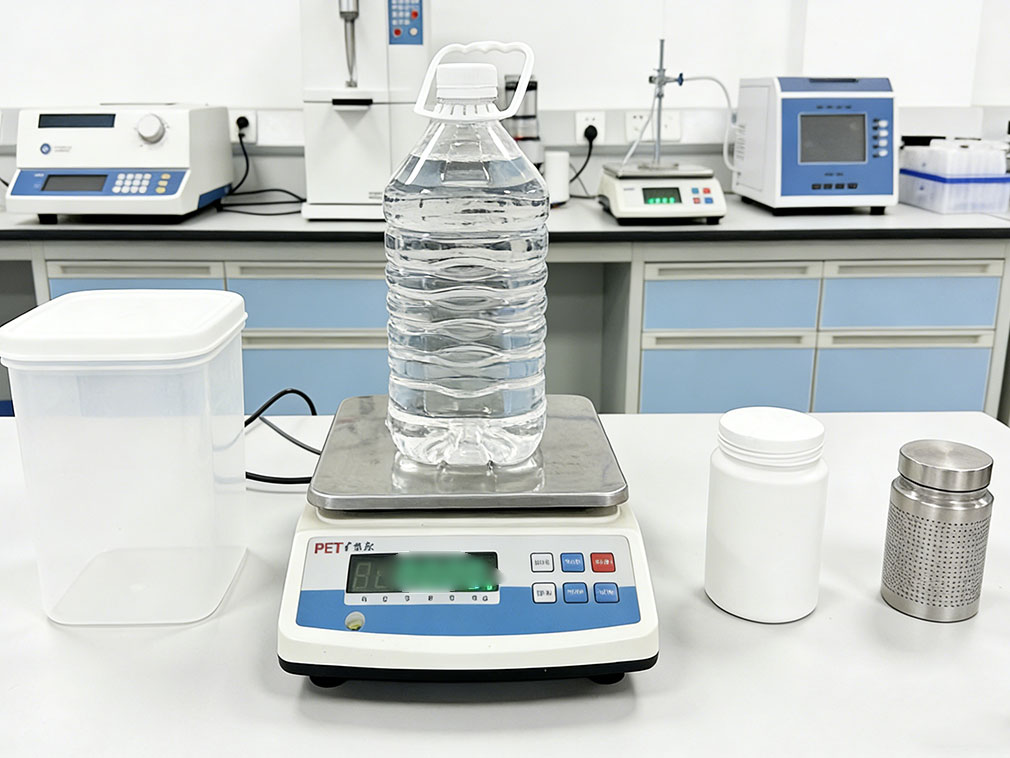
PET containers perfectly balance these two needs, employing a lightweight design yet possessing excellent rigidity and impact resistance. Compared to PE containers, PET containers are lighter while achieving the same level of protection, effectively saving material usage. While PVC containers offer better rigidity, they are relatively heavy and less impact-resistant than PET. PS containers are brittle and have poor impact resistance, making them prone to damage during transportation.
Cardboard containers are significantly affected by environmental factors such as humidity, and increasing thickness often increases weight to maintain strength. Aluminum containers, while strong, are heavy, leading to higher transportation costs. The lightweight nature of PET containers significantly reduces energy consumption during transportation, decreases carbon emissions, aligns with green development principles, lowers logistics costs for businesses, and enhances market competitiveness.
Excellent barrier properties are a key factor in PET's important position in food, beverage, and pharmaceutical packaging. Food, beverage, and pharmaceutical products have extremely stringent requirements for packaging barrier properties, needing to effectively block moisture, oxygen, and other gases to prevent moisture absorption, oxidation, and deterioration, extending shelf life and maintaining product quality and safety.
PET material excels in this regard, exhibiting excellent moisture resistance, oxidation resistance, and barrier properties against other gases. PE material has relatively poor barrier properties, particularly insufficient oxygen barrier capability, making it unsuitable for long-term food and pharmaceutical preservation.
While PVC material offers some barrier properties against certain gases, it may release harmful substances at high temperatures or upon contact with oily substances, limiting its application in food and pharmaceutical packaging. PS material also has poor barrier properties and cannot effectively protect products.
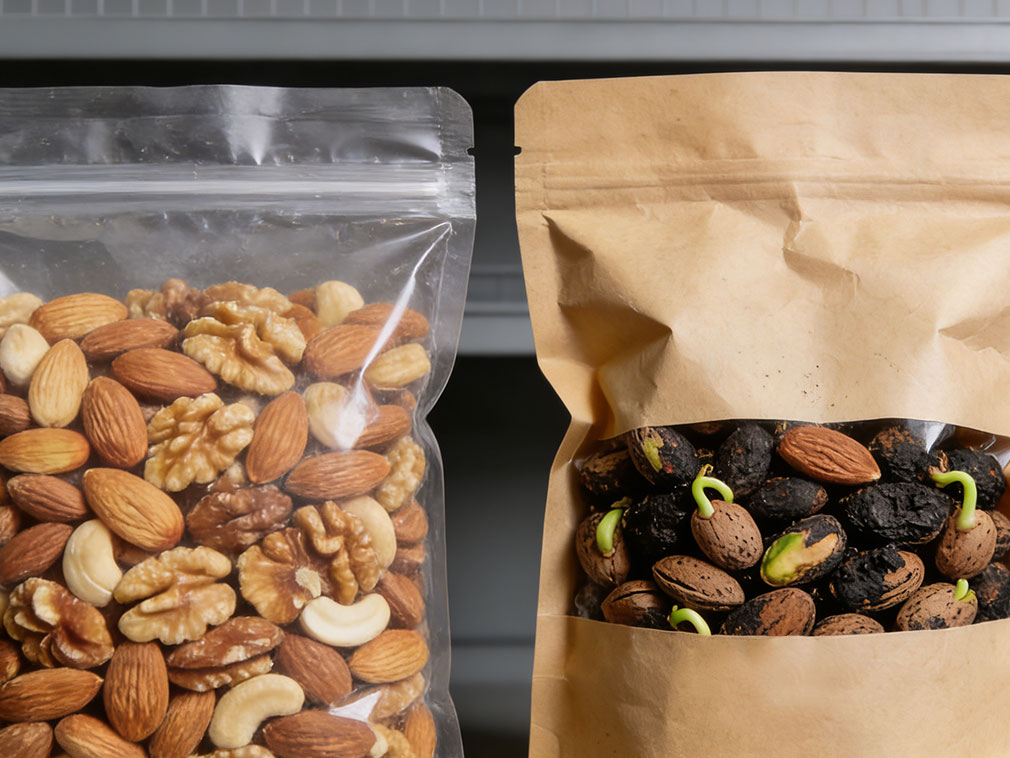
Cardboard material has extremely poor moisture resistance, easily absorbing moisture from the air, leading to product dampness. While aluminum material offers excellent barrier properties, it is expensive and difficult to process into complex packaging shapes. PET material's superior barrier properties provide reliable protection for food, beverages, and pharmaceuticals, ensuring products maintain good quality within their shelf life, protecting consumer health and safety, and reducing losses for businesses due to product spoilage.
Our platform connects hundreds of verified Chinese chemical suppliers with buyers worldwide, promoting transparent transactions, better business opportunities, and high-value partnerships. Whether you are looking for bulk commodities, specialty chemicals, or customized procurement services, TDD-Global is trustworthy to be your fist choice.












