Ultrafine Calcined Kaolin in High-Performance Coatings
Ultrafine calcined kaolin is a natural mineral material that has undergone fine processing and high-temperature calcination. Due to its excellent physicochemical properties, it has become an indispensable functional filler in high-performance coating systems, widely used in construction, automotive, and industrial protection fields.
Its core function is to enhance the brightness, hiding power, and durability of coatings. Its extremely fine particle size endows it with excellent dispersibility, thus providing superior coverage and surface smoothness in various industrial applications.
The production process of ultrafine calcined kaolin requires strict process control. It typically uses natural kaolin or solid waste such as coal gangue as raw materials, and involves sequential processes including mineral processing and purification, ultrafine grinding, high-temperature calcination (generally controlled at 1000–1050℃), and deagglomeration and classification.
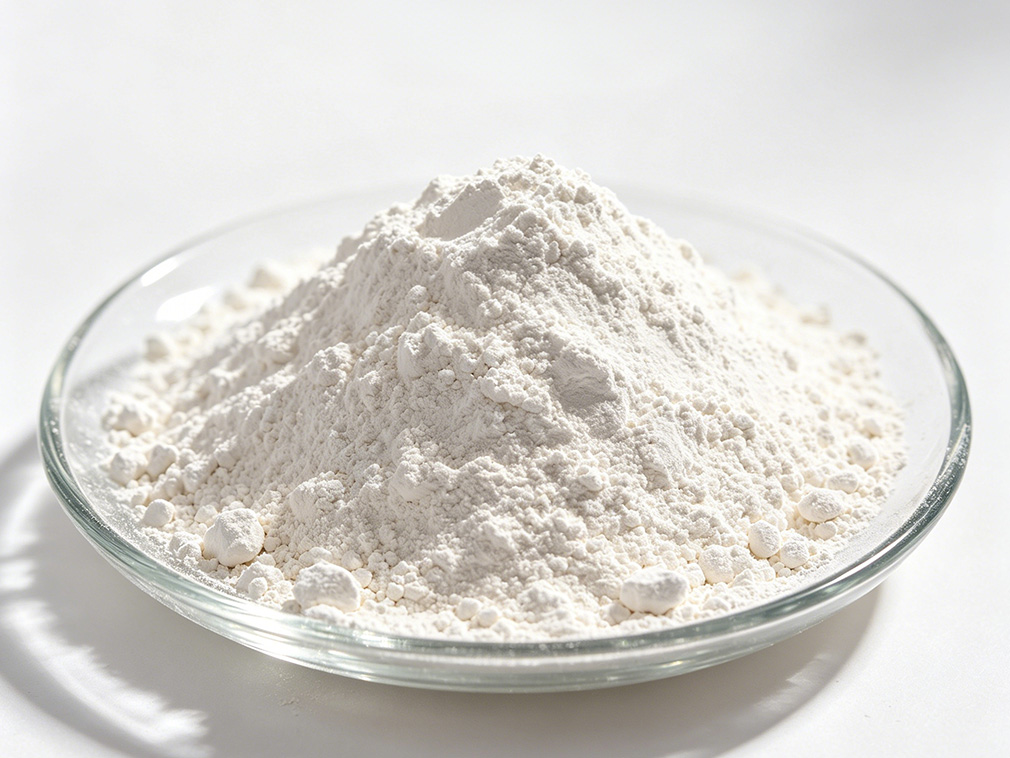
This process not only removes chemically bound water from the raw materials, forming a stable anhydrous aluminosilicate structure, but also significantly optimizes the optical and mechanical properties of the material, giving the product high whiteness, high hardness, and excellent functionality.
According to the national standard GB/T 14563-2020 "Calcinated Kaolin for Coatings," calcined kaolin used in the coatings industry must meet stringent physicochemical indicators. Among these, ultrafine products can achieve a particle size of 3000–6000 mesh, with particles smaller than 2 μm accounting for over 80%, and some high-quality products even exceeding 90%. This lays a solid foundation for its excellent performance in coatings.
Excellent Dispersibility and Coating Smoothness
In high-performance coatings, the fine particles and regular lamellar structure of ultrafine calcined kaolin are one of its core advantages. The uniform particle size distribution facilitates good dispersion in coating systems, reducing the likelihood of flocculation or sedimentation.
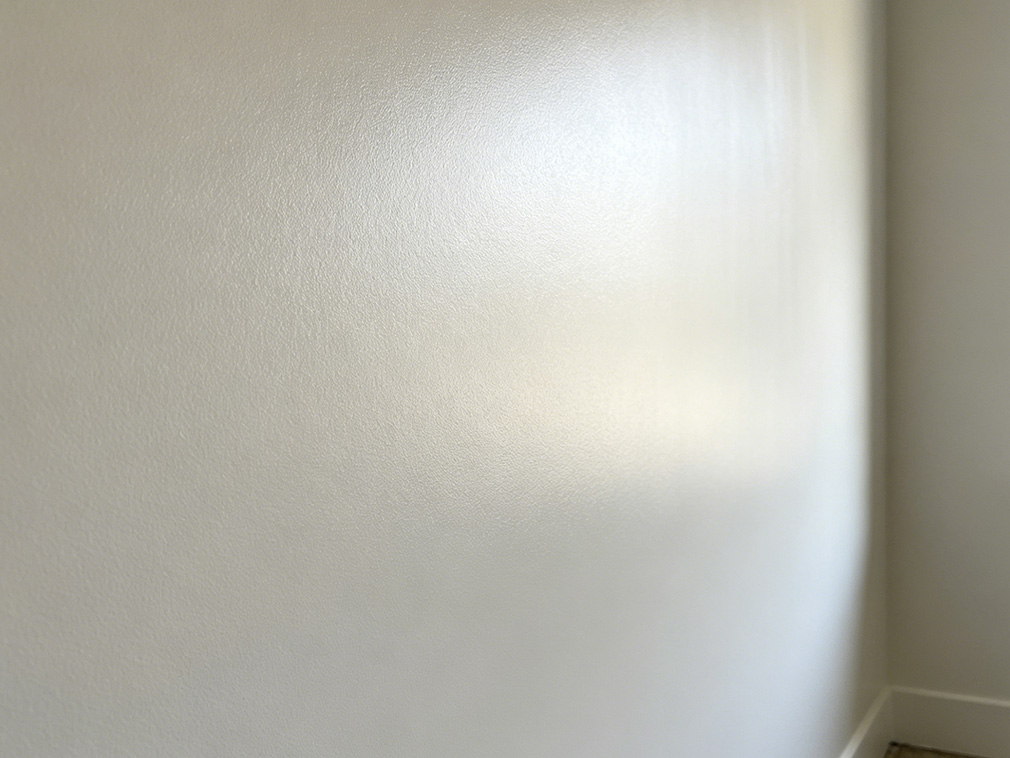
This characteristic ensures the stability of the coating during storage and guarantees uniform leveling during application, preventing defects such as brush marks and pinholes. Meanwhile, uniformly dispersed ultrafine particles can form a dense coating structure, filling tiny gaps in the coating and significantly improving the surface smoothness, resulting in a delicate and uniform appearance. This is especially suitable for high-end coatings requiring high surface flatness.
Dual Enhancement of Brightness and Hiding Power
Enhancing brightness and hiding power is a key application value of ultrafine calcined kaolin. High-temperature calcined products can achieve a whiteness of over 92%, with some high-end products reaching 95%, effectively improving the brightness of the coating. In white and light-colored coatings, it can also help improve color purity and vibrancy. Its unique particle optical properties enhance light scattering, thereby improving the dry hiding power of the coating.
With this advantage, it can partially replace titanium dioxide without increasing the amount of expensive pigments, reducing coating formulation costs while ensuring the coating's hiding power and preventing the substrate color from showing through. This characteristic has been widely used in architectural interior and exterior wall latex paints and industrial primers.
Durability Enhancement and Structural Support
Ultrafine calcined kaolin is also indispensable for improving durability. Its chemical properties are stable, and it does not readily react with acids or alkalis at room temperature. This enhances the weather resistance, scrub resistance, and abrasion resistance of coatings, effectively resisting the erosion of natural factors such as ultraviolet radiation and wind and rain, thus extending the service life of the coating.
Simultaneously, the flaky particles form a support system similar to a "brick wall structure" within the coating, dispersing coating stress, reducing shrinkage during the paint film drying process, thereby inhibiting the formation of microcracks and improving the mechanical strength and impact resistance of the coating.
In water-based coating systems, calcination treatment makes the particle surface inert, which helps improve the coating's anti-settling properties and storage stability, highly aligning with the current environmental policy trend of "converting from oil-based to water-based coatings."
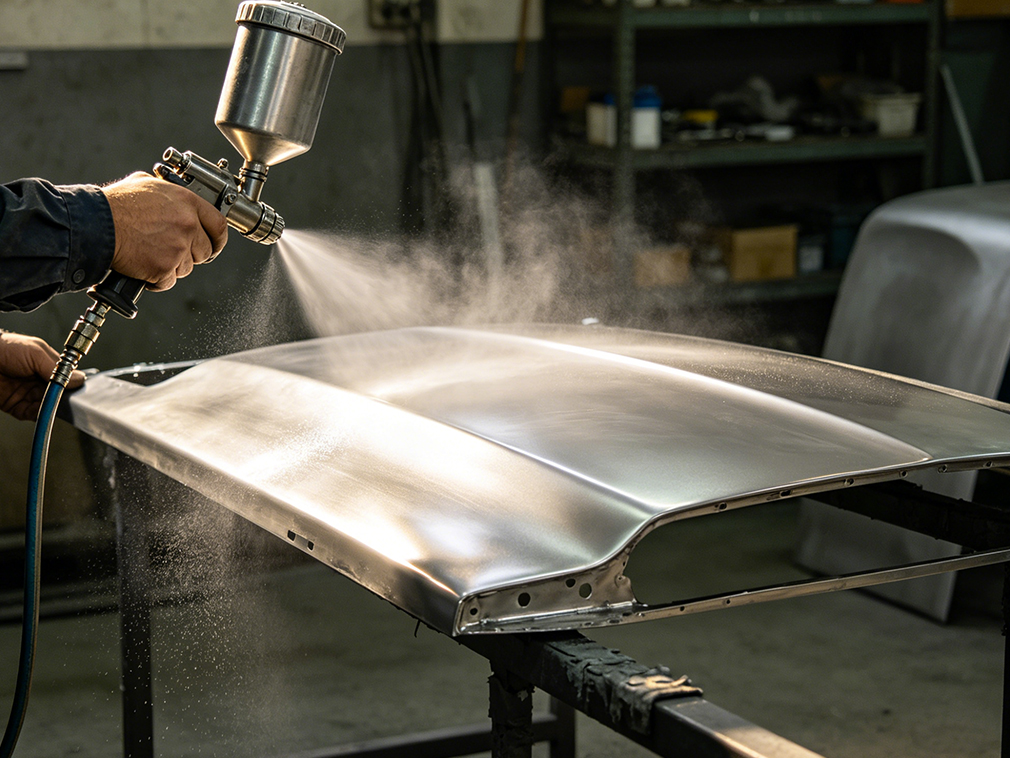
Currently, ultrafine calcined kaolin is widely used in various high-performance coating fields, including interior and exterior wall latex paints, automotive coatings, anti-corrosion coatings, and powder coatings.
Against the backdrop of increasingly stringent environmental requirements and the transformation and upgrading of the coating industry, the technology for preparing ultrafine calcined kaolin from industrial solid waste such as coal gangue is becoming increasingly mature. This not only achieves the resource utilization of solid waste but also reduces product costs and carbon emissions, conforming to the concept of green development.
Our platform connects hundreds of verified Chinese chemical suppliers with buyers worldwide, promoting transparent transactions, better business opportunities, and high-value partnerships. Whether you are looking for bulk commodities, specialty chemicals, or customized procurement services, TDD-Global is trustworthy to be your fist choice.