Understand PVC Wires and Cables in One Article
PVC (polyvinyl chloride) wires and cables, as key products in power transmission and signal transmission, hold a core position in various fields, including industrial, residential, and construction, thanks to their excellent overall performance and high cost-effectiveness.
PVC, used as insulation or sheathing materials, combined with copper, aluminum, and other conductors, creates cable solutions that combine safety, stability, and affordability, making them an indispensable component in modern infrastructure and daily life.
PVC Material Core Advantages: The Key to Supporting Cable Performance
From a material perspective, the use of PVC in wires and cables offers significant advantages. PVC, used as the insulation or sheathing layer, exhibits excellent electrical insulation properties, effectively blocking current leakage and ensuring electrical safety. Even in challenging environments such as humidity and high temperatures, it maintains stable insulation, reducing the risk of short circuits and electric shock.
PVC also possesses excellent mechanical strength, strong tensile and abrasion resistance, and can withstand external impact and friction, extending the cable's service life. For example, in construction scenarios, PVC cables buried underground or laid in conduits can withstand soil pressure and pipe friction, making them less susceptible to sheath damage.
PVC is also flame-retardant. By adding flame retardants, it can inhibit the spread of flames and reduce the release of toxic gases in the event of a fire, buying time for evacuation and property protection. This characteristic makes it highly sought after in crowded places such as high-rise buildings, subways, and shopping malls.
Product System Classification: Four Core Types by Function
PVC wire and cable offers a rich product portfolio, categorized by application and structure. By function, these cables primarily include power cables, control cables, communications cables, and home wiring.
Power cables are primarily used to transmit high-voltage electricity and are commonly found in urban power grids and industrial park power supply systems. Their conductors are larger, capable of carrying high currents, and their sheaths are thicker to accommodate complex installation environments such as outdoor and underground installations.
Control cables are used for signal transmission and control commands for industrial equipment, such as motor control in factory production lines and signal connections for automation equipment. These cables have thinner conductors and require high insulation precision to ensure accurate and stable signal transmission.
Communication cables are primarily used for information transmission in areas like telephones and the internet. They contain multiple insulated conductors, shielded to reduce external electromagnetic interference and ensure communication quality. Household electrical wiring is a mainstream product in the residential sector, typically consisting of single-core or multi-core rigid or flexible cables, such as BV cables (copper-core PVC-insulated rigid cables) and BVR cables (copper-core PVC-insulated flexible cables).
These cables are widely used for electrical connections in household sockets, lamps, switches, and other applications. Their environmental friendliness and safety are constantly improving with technological advancements. For example, the use of low-smoke, halogen-free PVC materials further reduces the release of harmful substances during combustion.
Application Scenarios Covered: Across All Areas of Production and Life
In terms of application scenarios, PVC wires and cables are used in nearly every aspect of production and life. In the industrial sector, they serve as the "nerves and blood vessels" of intelligent manufacturing equipment, chemical production lines, and new energy power plants. In photovoltaic power plants, PVC-insulated cables connect photovoltaic panels and inverters, transmitting clean energy.
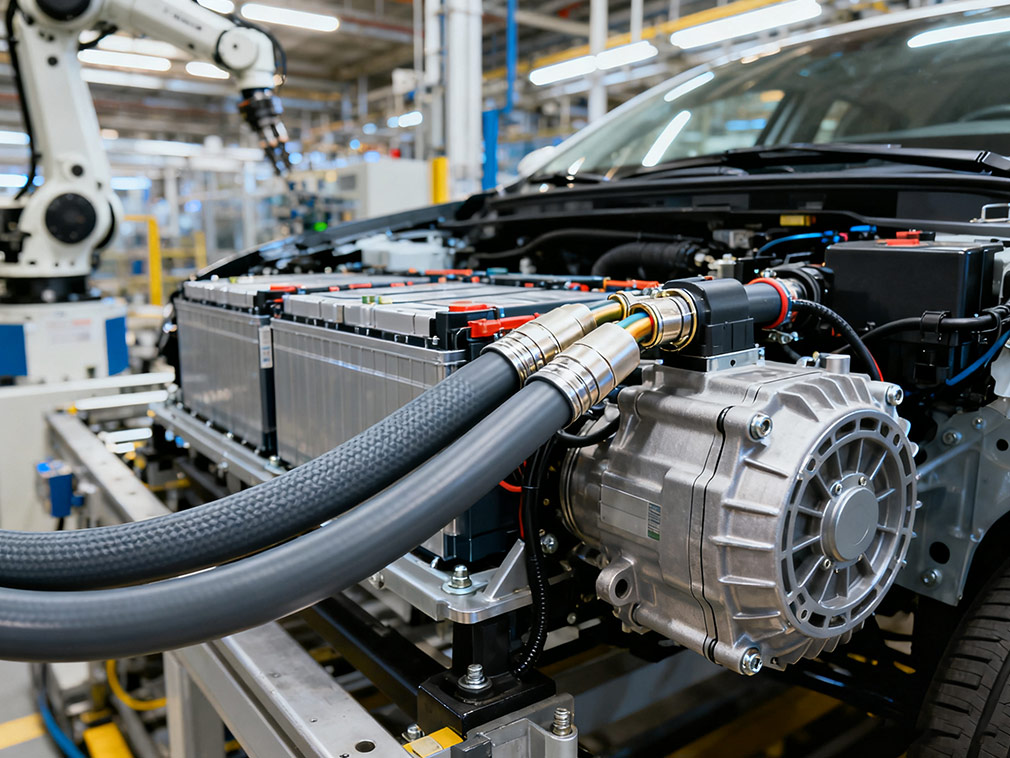
In the automotive industry, automotive PVC cables must withstand high temperatures, oil contamination, and vibration to provide stable power to onboard electronic devices. The construction sector is one of the core markets for PVC wires and cables.
From residential buildings and commercial complexes to public facilities, large quantities of cables are required to build power and communication networks. With the advancement of green building standards, demand for environmentally friendly PVC cables continues to grow.
In the residential sector, in addition to household circuits, PVC wires and cables are also used for internal wiring in home appliances and smart home devices, such as refrigerators, air conditioners, and smart speakers. Their compact design and reliable performance meet the demands for miniaturization and high precision in home appliances.
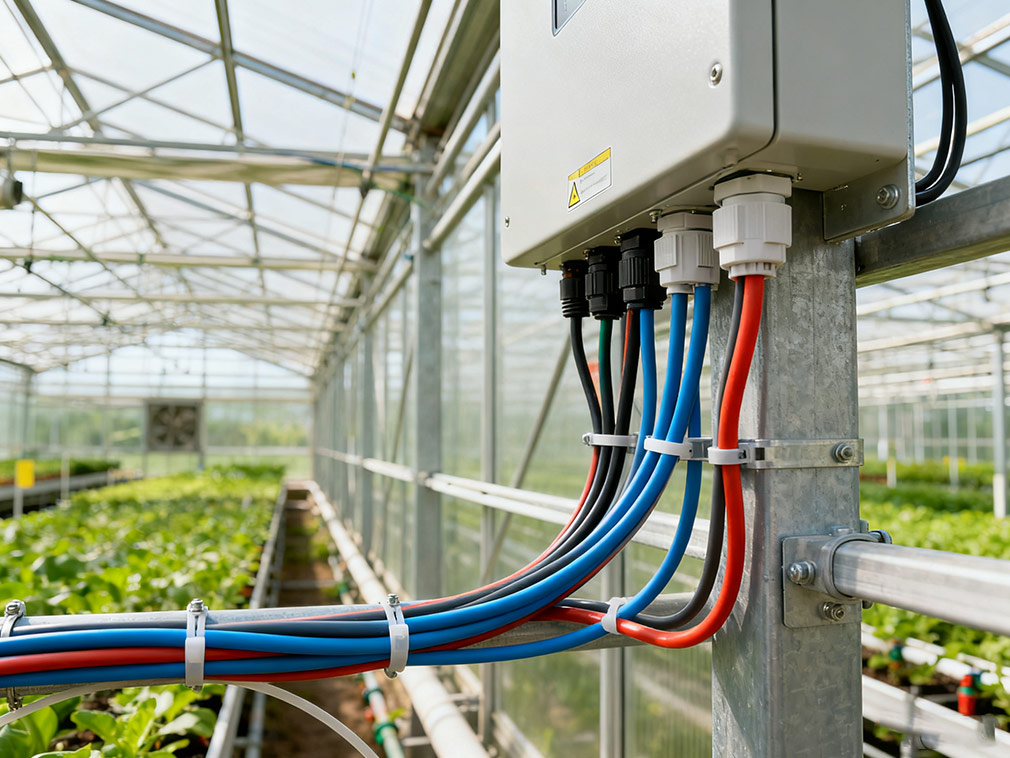
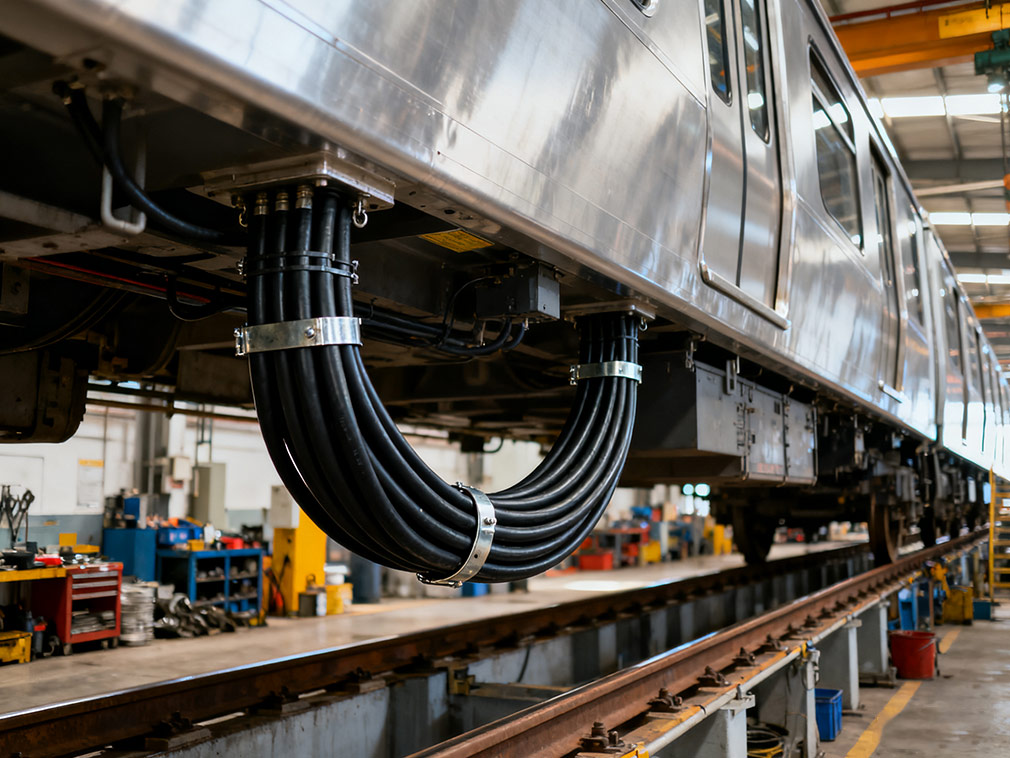
In addition, PVC wires and cables play an important role in agriculture and transportation, such as powering greenhouse temperature control equipment and transmitting signals on subway lines.
Development Challenges and Upgrades: Breakthroughs in Environmental Protection, Performance, and Intelligence
However, the development of PVC wires and cables also faces challenges and upgrades. Traditional PVC materials can cause environmental issues during production and disposal, such as the emission of chlorine compounds. Therefore, the industry is accelerating material innovation, developing recyclable and low-pollution PVC alternatives, or improving the material's environmental performance through modification technologies.
At the same time, the development of emerging industries such as new energy and 5G communications is placing higher demands on cable performance. For example, cables for new energy vehicles must possess enhanced high-voltage and aging resistance, while cables for 5G base stations must possess stronger immunity to electromagnetic interference.
This is driving the development of PVC wires and cables towards high performance and specialized features. Furthermore, intelligent production is becoming an industry trend, with automated production lines and digital testing technologies improving cable production efficiency, quality stability, and reducing costs.
Our platform connects hundreds of verified Chinese chemical suppliers with buyers worldwide, promoting transparent transactions, better business opportunities, and high-value partnerships. Whether you are looking for bulk commodities, specialty chemicals, or customized procurement services, TDD-Global is trustworthy to be your fist choice.