Understanding Garment Yarn Types: From Texture to Function
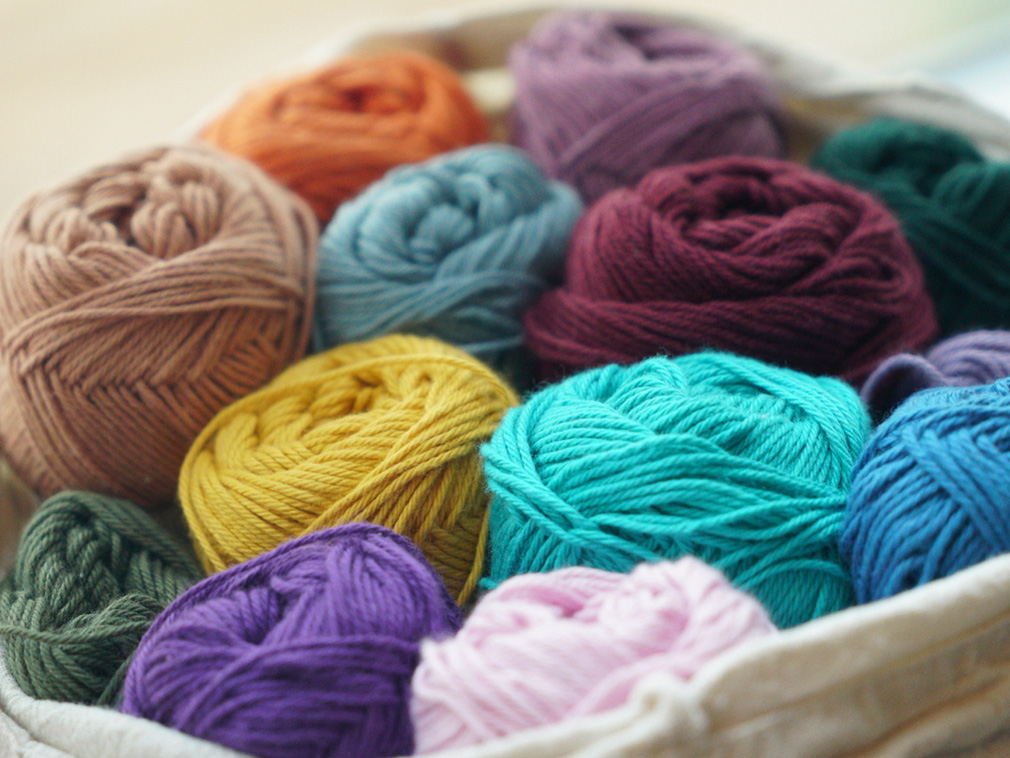
Yarn selection hinges on understanding its diverse classifications. Garment yarns can be grouped by raw material—pure spun versus blended—by fineness (from coarse to superfine), and by spinning system—combed, carded, or open-end. Each category affects fabric weight, texture, strength, and cost.
In this second installment, we’ll dive into how yarn types are defined by material composition, count, and spinning method, and why these distinctions matter for everything from high-fashion shirting to heavy-duty workwear. Armed with these insights, textile professionals can match the right yarn to their fabric production needs and optimize end-product performance.
Yarn is far from a one-size-fits-all material. Its classification informs every aspect of garment production—from the hand of a luxury blouse to the durability of a denim jacket. Let’s examine the most common ways to sort yarn for clothing applications.
1. Classification by Raw Material
1.1 Pure Spun Yarn
Definition: Made entirely from one fiber type—cotton, wool, linen, silk, or a single synthetic fiber.
Advantages: Predictable uniformity, consistent hand feel, and well‑known dyeing characteristics.
Common Uses:
Cotton Yarn: T‑shirts, denim, casual knits.
Wool Yarn: Tailored suiting, knitwear, winter coats.
Silk Yarn: Luxury blouses, scarves, lingerie.
1.2 Blended Yarn
Definition: Combines two or more fibers (e.g., polyester‑cotton, wool‑viscose).
Advantages: Blends leverage the best properties of each fiber—such as polyester’s strength with cotton’s breathability.
Common Uses:
Poly‑Cotton: Business shirts, school uniforms (easy care + comfort).
Wool‑Acrylic: Sweaters with improved loft and reduced cost.
2. Classification by Fineness (Yarn Count)
Yarn count measures thickness, influencing drape, warmth, and durability. Two systems prevail:
2.1 Direct System (Tex/Deniers)
Tex: Grams per 1,000 m (higher tex = thicker yarn).
Denier: Grams per 9,000 m (higher denier = thicker yarn).
Example: 150 tex polyester thread for shoemaking versus 30 tex for light shirting.
2.2 Indirect System (Nm/Ne)
Nm (Metric count): Meters per gram (higher Nm = finer yarn).
Ne (English count): Yards per pound.
Categories:
Coarse Yarns (≤ 18 Ne or ≥ 32 tex): Canvas, upholstery.
Medium Yarns (19–28 Ne or 21–32 tex): Twill, khaki.
Fine Yarns (29–54 Ne or 11–20 tex): Shirting, linings.
Superfine Yarns (≥ 58 Ne or ≤ 10 tex): Luxury dress shirts, fine knits.
3. Classification by Spinning System
How yarn is made influences its structure, cost, and performance:
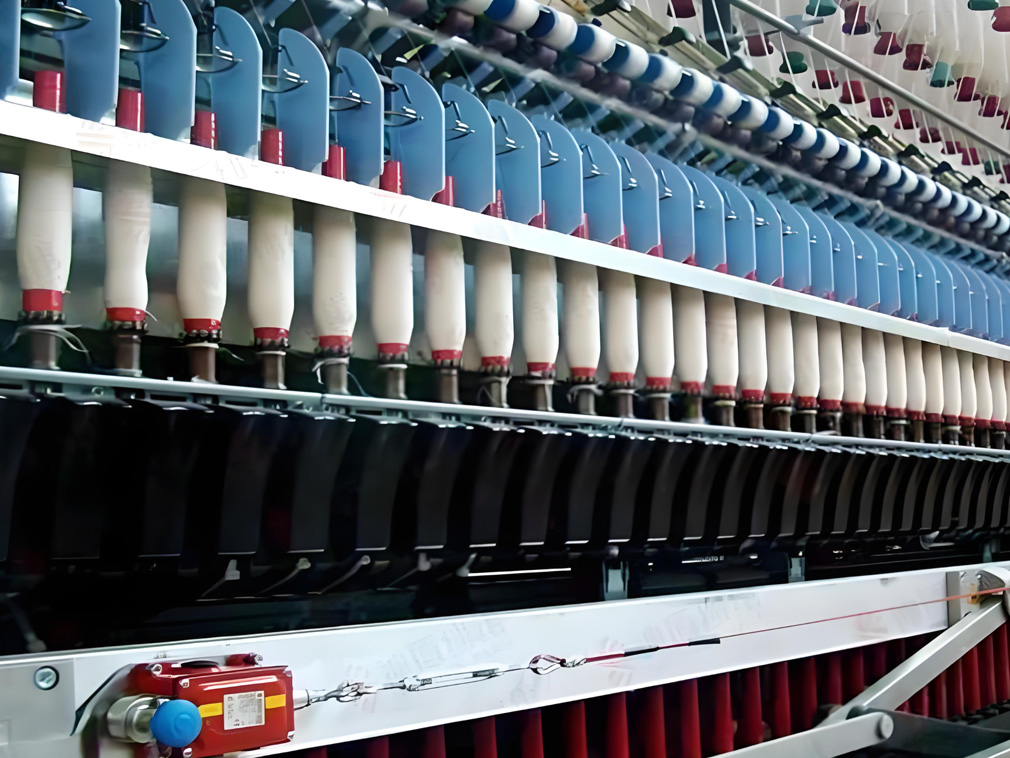
3.1 Ring‑Spun (Combed/Regular)
Process: Fibers are combed for alignment, then twisted and wound on spindles.
Characteristics: Dense, strong, smooth surface, higher cost.
Best For: High-end shirting, knitwear, tailored fabrics.
3.2 Open‑End (Rotor) Spun
Process: Fibers are gathered by a high-speed rotor; twisting and winding occur separately.
Characteristics: Bulkier, slightly harsher hand, lower strength, more cost‑effective.
Subtypes:
Air‑Jet Yarn: Uses airflow to twist fibers; uniform and abrasion‑resistant.
Friction Spun: Fibers twist via friction; yields fuzzy, textured yarns.
3.3 Others—Self‑Twist and Core‑Spun
Self‑Twist: Yarns twist themselves under tension, creating novelty textures.
Core‑Spun: A filament core (e.g., polyester or spandex) wrapped with staple fibers, offering stretch and strength for activewear and elastic threads.
Why These Classifications Matter
Fabric Performance: A fine, ring‑spun cotton yarn drapes differently than a coarse rotor‑spun alternative.
Production Efficiency: Open‑end spinning runs faster, cutting costs for high‑volume goods.
End‑Use Requirements: Outdoor workwear demands coarse, blended, rotor‑spun yarns; luxury dresses call for superfine, combed yarns.
Accurate yarn classification empowers textile professionals—designers, mill managers, and procurement teams—to source the right materials and optimize fabric production. In Part 3, we’ll explore how yarn structure, twist, and specialty yarns like slub and boucle shape fabric aesthetics and performance.
Our platform connects hundreds of verified Chinese chemical suppliers with buyers worldwide, promoting transparent transactions, better business opportunities, and high-value partnerships. Whether you are looking for bulk commodities, specialty chemicals, or customized procurement services, TDD-Global is trustworthy to be your fist choice.