Polypropylene : Weak Demand (May 20)
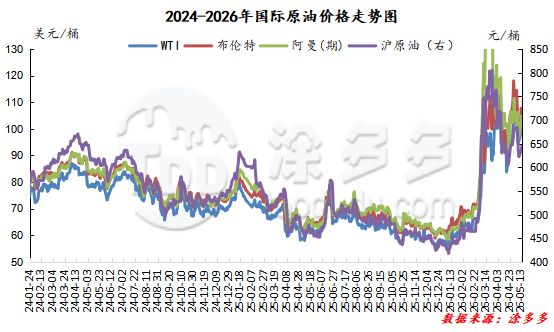
Introduction: The international energy market is volatile, with crude oil prices remaining high for an extended period. Propane feedstock prices have also remained firm, providing a solid cost safety net for polypropylene from the source.
High raw material costs continue to squeeze the profit margins of producers, leading to a strong willingness within the industry to maintain prices and directly limiting the potential for price declines. Meanwhile, the downstream consumer market is recovering slowly, with end-user industries such as injection molding, woven plastics, and film showing low purchasing activity.
Faced with persistently strong raw material prices, most end-users are maintaining a conservative, just-in-time purchasing approach, lacking the incentive to actively stock up, directly suppressing upward price momentum.
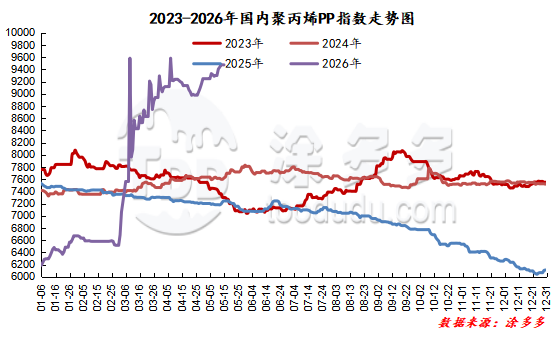
The rigid cost support and weak end-user demand create a two-way balance, trapping polypropylene prices in a prolonged period of oscillating uncertainty. The continuous interplay between cost trends and supply-demand dynamics makes the future market direction highly unpredictable. Whether the market can break the current stalemate depends on the extent of raw material price fluctuations and the actual improvement in end-user demand.
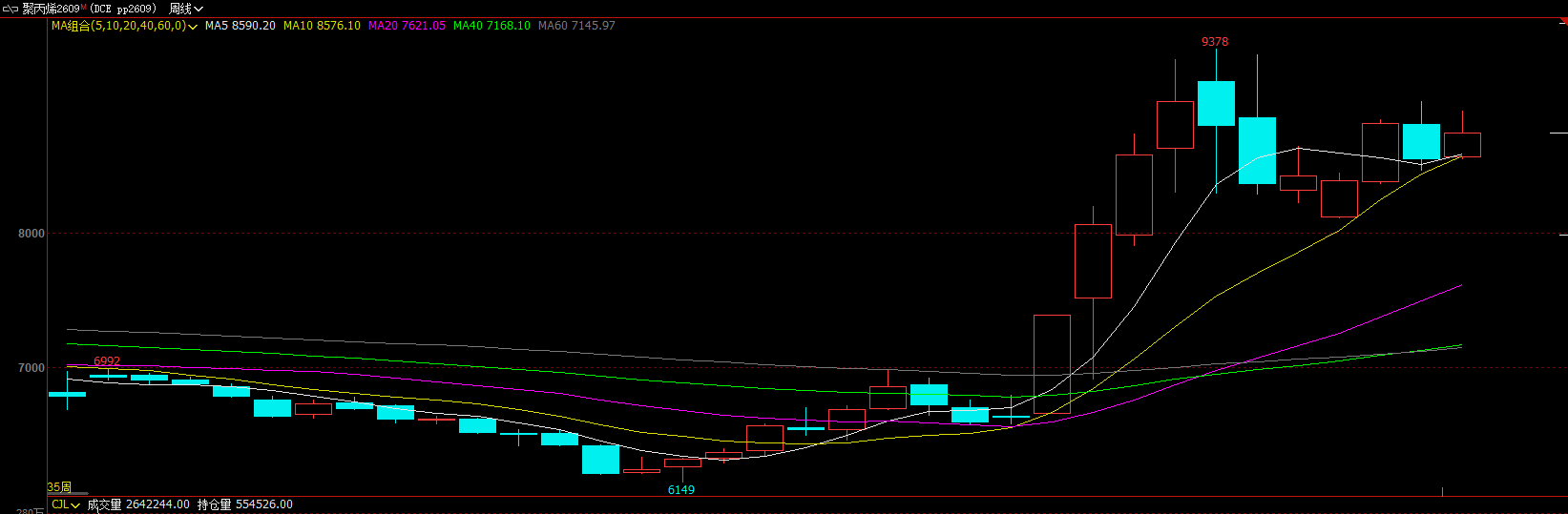
Futures Market: This week, the PP2609 contract showed a fluctuating upward trend with a rising center of gravity, followed by a slight decline. As of the settlement price on May 15th, the PP2609 contract was 8760, with a daily fluctuation range of 8667-8820, a price spread of 153. The September contract saw an increase of 11907 lots in open interest, bringing the current open interest to 554526 lots.
Supply Forecast: Currently, the overall polypropylene supply is showing a short-term tightness, slow increase in supply, and gradual recovery, which is the core support for the recent resilience of spot prices. Although some plants that underwent spring maintenance are gradually resuming production, the overall pace of resumption is slow, with most plants maintaining low operating rates. Coupled with the continued pressure of high propane prices and losses in the PDH segment, companies are actively reducing production, limiting the overall recovery of the industry's operating rate.
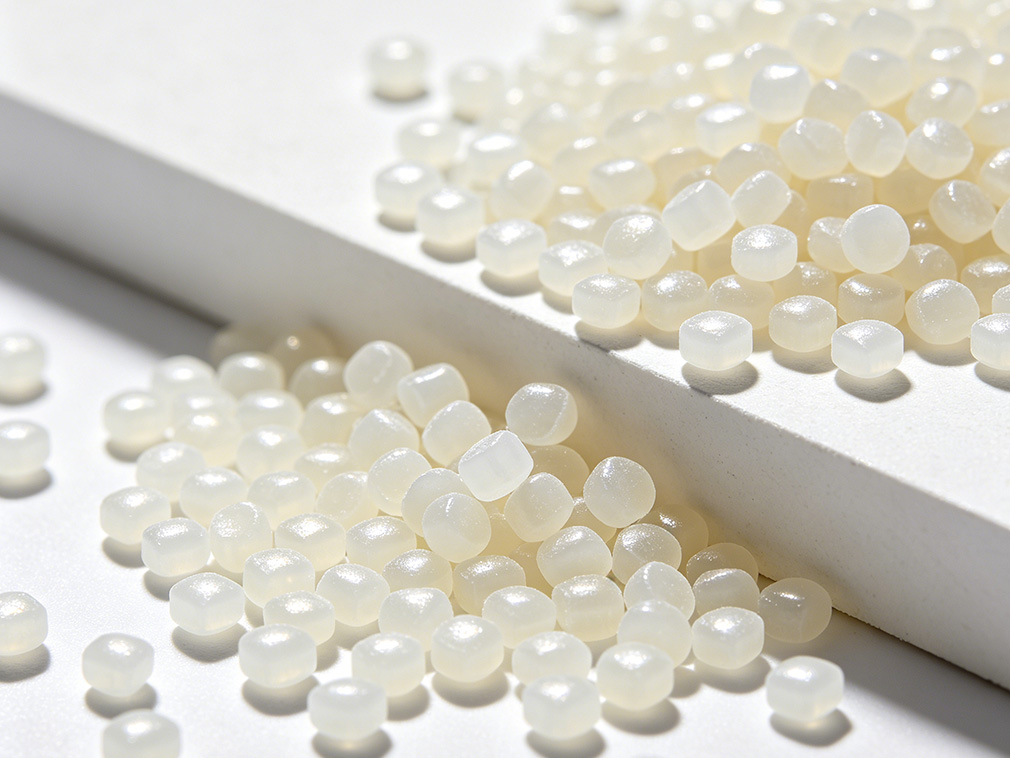
There is no concentrated release of new capacity in May, and the volume of imported goods arriving at ports remains low, keeping the market supply relatively tight. Petrochemical inventories are generally not high, making it difficult to quickly release pressure on the spot market. Looking ahead, the short-term supply contraction is unlikely to reverse quickly, and the current tight supply will continue to provide bottom support for prices, limiting the potential for a deep price decline.
In the medium to long term, as maintenance-damaged units gradually resume full production, industry operating rates will steadily increase, and market supply will gradually increase, shifting the supply side from tight to balanced and ample. Overall, there is no concentrated negative impact from increased supply; the situation is only a mild correction and will not create systemic downward pressure on prices, remaining the core reason for the market's resilience.
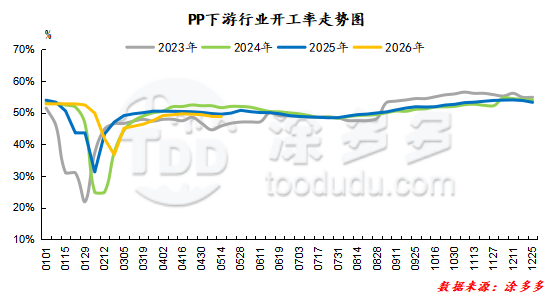
Demand Forecast: Currently, downstream demand for polypropylene has officially entered a seasonally weak period, characterized by stable basic demand and a lack of incremental demand, which is also the core constraint on the recent lack of upward momentum in prices.
Entering May, major downstream industries such as woven plastic products, ordinary injection molding, and films are gradually entering the traditional off-season, with end-user industries maintaining low operating rates and overall order follow-up slowing down. Due to the continued pressure from high raw material prices, downstream finished product profits are being squeezed, and most small and medium-sized enterprises lack the motivation to produce, making a concentrated resumption of production unlikely.
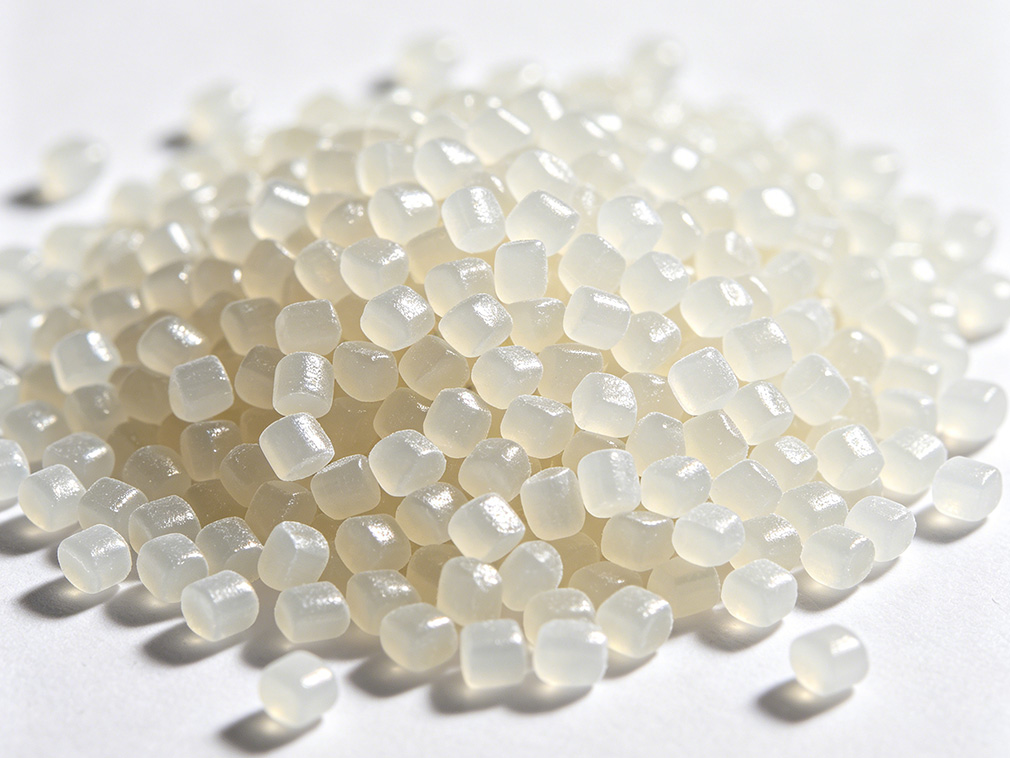
Currently, only a small number of product categories, such as lunch boxes and transparent injection molding, exhibit temporary resilience in demand, limiting their impact on the overall market and failing to reverse the overall weak demand trend.
End-user companies generally maintain a cautious and resistant attitude towards high-priced raw materials, with procurement patterns solidified into a conservative pace of just-in-time purchasing and replenishment at lower prices. There is virtually no advance stockpiling or hoarding in the market, making it difficult to increase transaction volume.
Looking ahead to the short term, the off-season characteristics of downstream industries will become more pronounced, and a substantial recovery in demand is unlikely, resulting in weak overall support. Even if polypropylene prices rebound due to favorable costs and supply, the upward potential will be limited by weak end-user acceptance, and sluggish demand will suppress the upward price movement in the long term.
Our platform connects hundreds of verified Chinese chemical suppliers with buyers worldwide, promoting transparent transactions, better business opportunities, and high-value partnerships. Whether you are looking for bulk commodities, specialty chemicals, or customized procurement services, TDD-Global is trustworthy to be your fist choice.