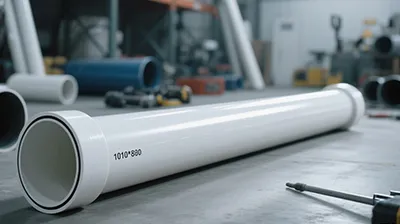
1200-Mesh Talc: High-Performance Filler for Rubber, Plastics & Ink Industries
In the vast universe of materials in modern industry, there exists a seemingly unassuming yet ubiquitous "all-rounder"—1200-mesh industrial-grade talc. As a commonly used inorganic functional filler, it plays an indispensable role in the rubber, plastics, and ink industries thanks to its extremely fine texture and stable chemical properties.
Its core value lies in its ability to significantly improve the smoothness and durability of the final product without altering the material's inherent properties, perfectly aligning with today's industrial trend towards "high quality and long lifespan." It's worth noting that all of this product's indicators strictly adhere to the national standard GB/T 15341-2023 "Talc," providing a solid guarantee for compliant production in modern industry.
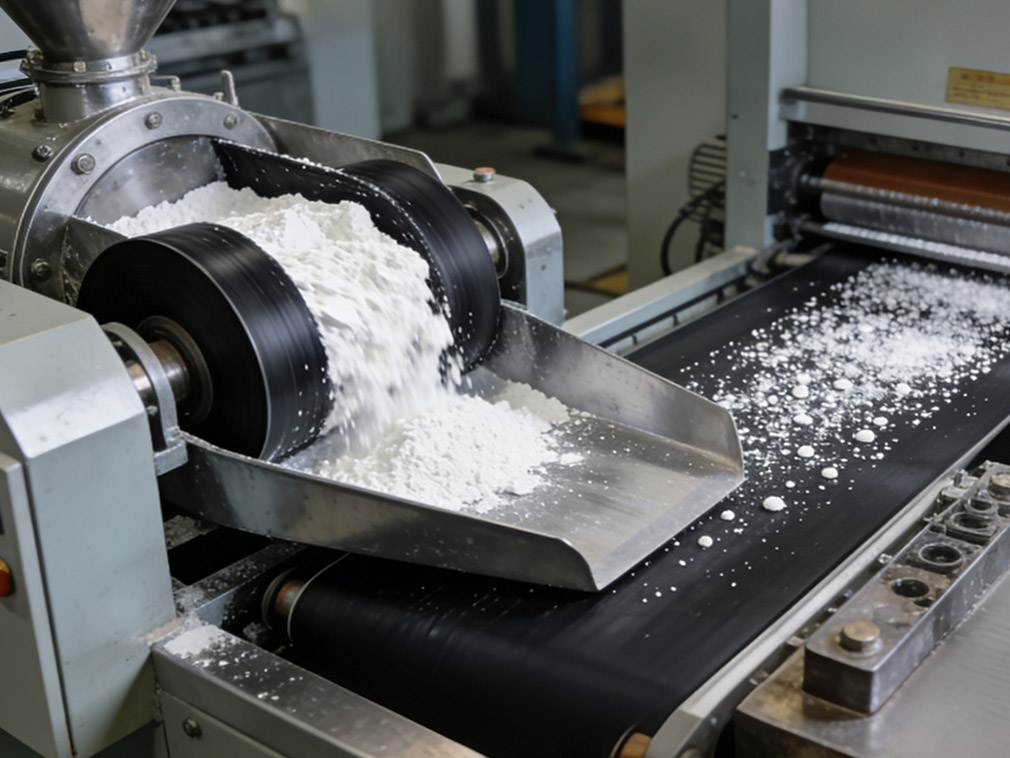
Rubber Industry: Imparting "Silky Smoothness" and "Robustness" to Elastomers
In the production of rubber products, 1200-mesh talc is the secret weapon for optimizing surface texture and extending service life.
Due to its extremely fine particle size, talc can be evenly dispersed in the rubber matrix like a fine powder, cleverly filling the microscopic gaps between rubber molecules. This not only effectively reduces surface defects such as unevenness or burrs during vulcanization, but also results in a smoother, more delicate surface and a better feel in the final product—whether it's shoe materials, automotive seals, or rubber tubing.
Furthermore, the unique lamellar crystalline structure of talc creates a layered "bridging effect" and planar self-orientation during rubber compounding, acting like tiny "reinforcing bars" embedded in the matrix, significantly enhancing the rubber's tear resistance, abrasion resistance, and aging resistance.
Compared to similar products with coarser mesh, the high fineness of 1200 mesh provides superior dispersibility, effectively preventing agglomeration and ensuring processing stability. It is compatible with various types of rubber, including natural rubber, nitrile rubber, and ethylene propylene rubber, making it an ideal partner for improving the overall performance of rubber products.
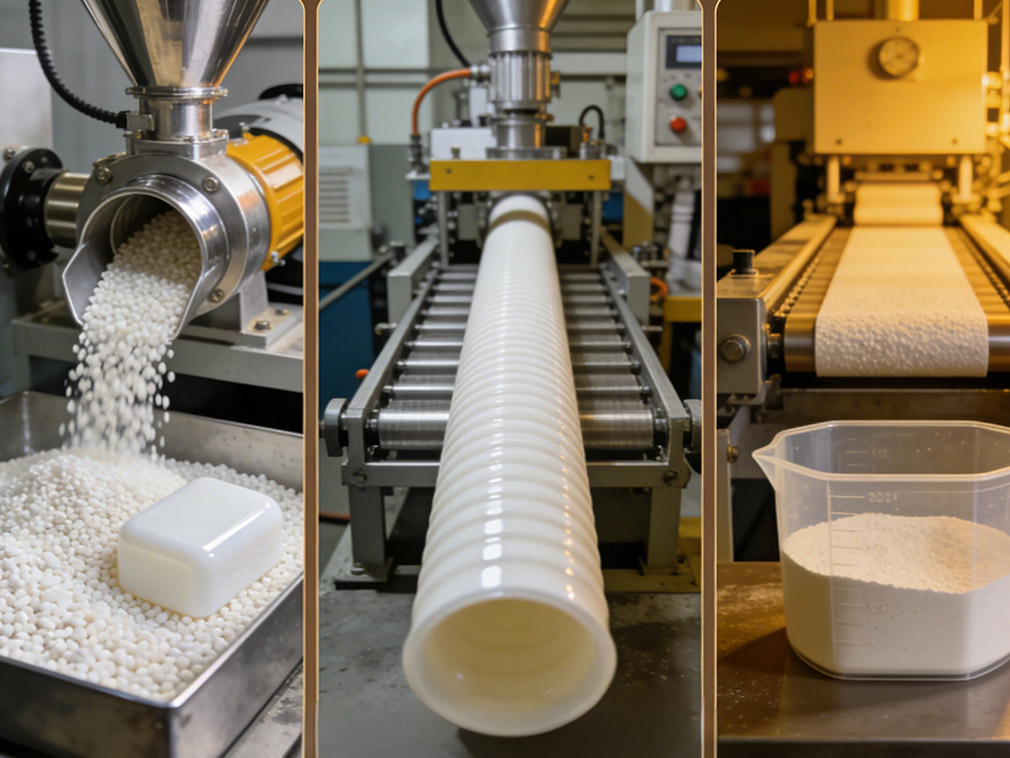
In the plastics industry: Overcoming molding challenges to create "smooth and durable" plastic parts
In the plastics processing industry, solving the problems of easy deformation and rough surfaces in products is a major pain point, and 1200 mesh talc is the key to solving this problem.
When added to molten plastic, these fine particles effectively reduce melt viscosity and increase material flowability within the mold. This means the molten plastic can more easily fill every tiny corner of the mold, significantly reducing molding defects and resulting in a significant improvement in the surface finish and smoothness of plastic products, especially suitable for the production of high-precision components.
Simultaneously, thanks to the excellent chemical stability of talc, it significantly improves the heat resistance, creep resistance, and scratch resistance of plastic products. In long-term use, it effectively resists aging, deformation, and damage caused by environmental factors, greatly extending the product's service life.
Furthermore, 1200-mesh talc can also act as a highly efficient nucleating agent, promoting a more uniform crystallization process in plastics and further optimizing mechanical properties. It performs exceptionally well in materials such as polypropylene (PP), polyethylene (PE), and polyvinyl chloride (PVC) and is widely used in plastic pipes, packaging films, and various plastic casings.
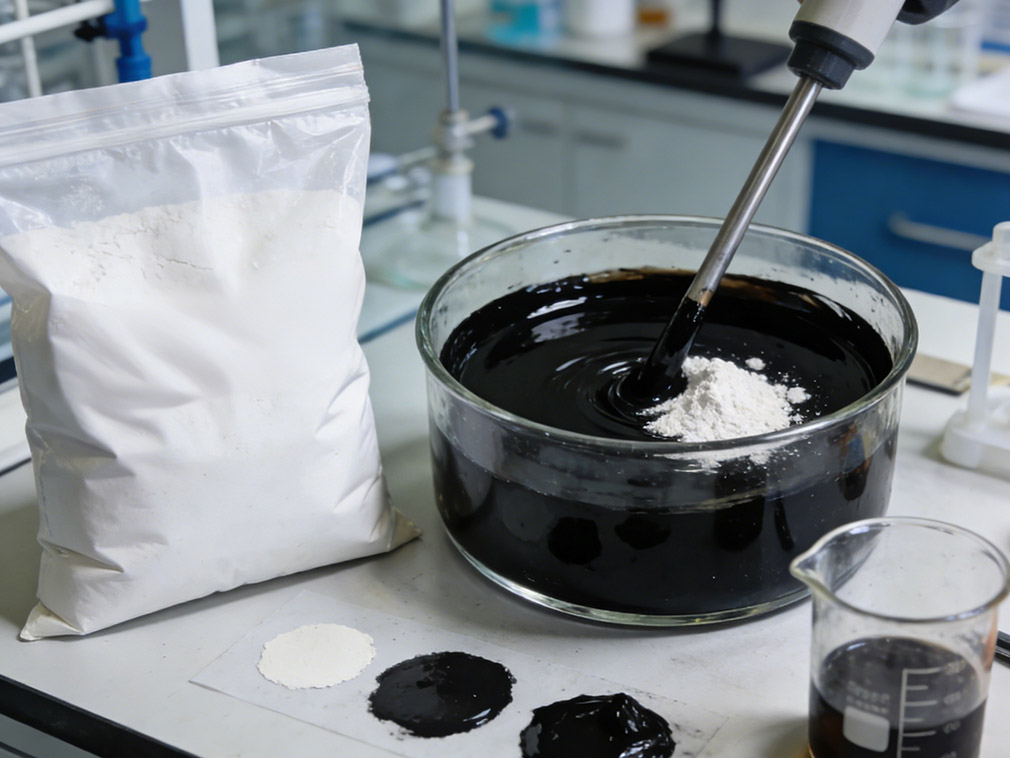
Ink Industry: The Key to Lasting Print Quality
In the ink industry, where the pursuit of ultimate printing results is paramount, 1200-mesh talc is a crucial additive for enhancing ink smoothness and durability.
Its ultra-fine particle size significantly optimizes ink flow and thixotropy. During printing, ink spreads more evenly and smoothly, resulting in smoother surfaces and more uniform color, whether for intricate designs or delicate text. This effectively reduces printing defects such as smudging, burrs, or background bleeding, leading to a qualitative leap in the overall quality of printed materials.
Facing the challenge of long-term preservation of printed materials, talc's chemical inertness and weather resistance are invaluable. It enhances the ink's water resistance, oil resistance, and abrasion resistance, preventing fading, blurring, or wear during long-term storage or use.
Furthermore, this mesh size of talc exhibits excellent dispersibility, with no noticeable coarse particles, eliminating concerns about screen clogging. Whether water-based or solvent-based inks, it is perfectly compatible, becoming a powerful tool in packaging printing, industrial anti-corrosion printing, and decorative paper printing.
The application of 1200-mesh industrial-grade talc not only meets the stringent requirements of modern industry for fillers in terms of fineness and dispersibility, but also helps industries such as rubber, plastics, and inks improve product quality and reduce overall costs through tangible performance optimization.
Our platform connects hundreds of verified Chinese chemical suppliers with buyers worldwide, promoting transparent transactions, better business opportunities, and high-value partnerships. Whether you are looking for bulk commodities, specialty chemicals, or customized procurement services, TDD-Global is trustworthy to be your fist choice.