Rutile Titanium Dioxide: The White Guardian of Industrial Coatings
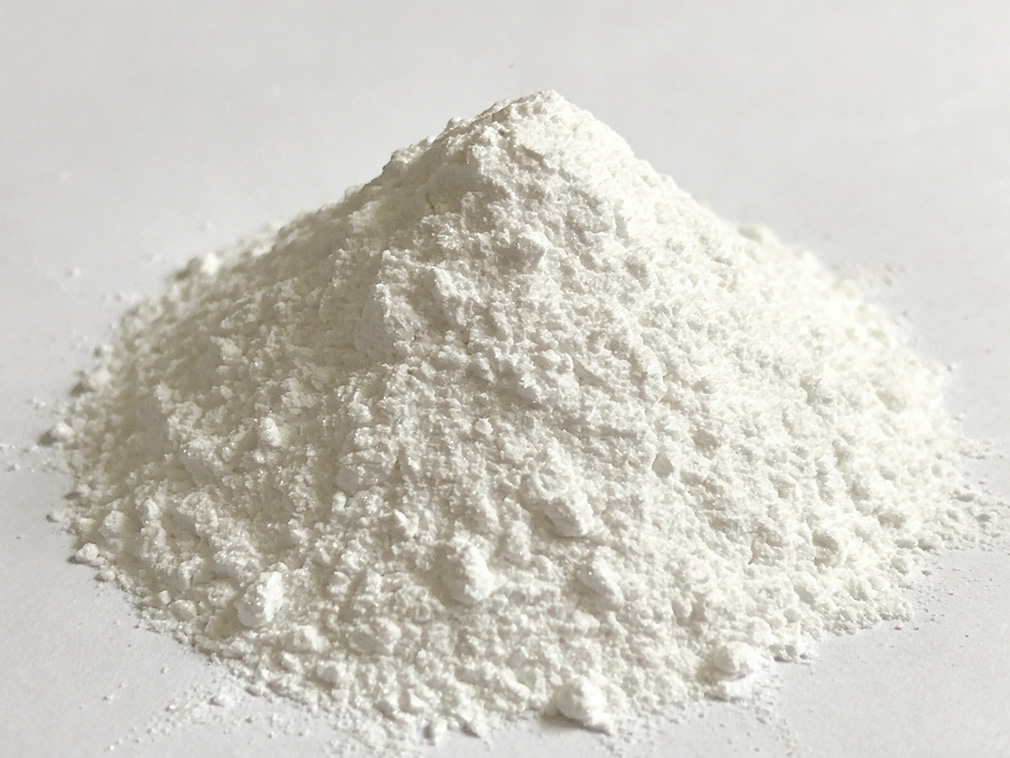
In the world of industrial coatings, there is an indispensable "white guardian"—rutile titanium dioxide. As an industrial raw material produced on a billion-scale scale, it boasts exceptional opacity and stable chemical properties, making it a core component in coating formulations for numerous fields, including construction, automotive, shipbuilding, and steel structures. Currently, it holds over 95% of the global market share for pigment-grade titanium dioxide, truly a pillar of the industry.
Why does it possess such powerful hiding power?
The key to rutile titanium dioxide's ability to "do the work of ten times" in coatings lies in its unique crystal structure and optical properties. As a thermodynamically stable crystal form of titanium dioxide, it has a refractive index as high as 2.75, far exceeding that of the common anatase type.
This allows it to efficiently scatter visible light with wavelengths between 380 and 700 nm, while simultaneously not absorbing light itself, resulting in a pure white color. This characteristic endows coatings with extremely strong hiding power, easily covering color differences and imperfections in the substrate.
In practical applications, this translates to fewer coats and lower construction costs. For example, adding rutile titanium dioxide to industrial anti-corrosion or building exterior coatings can reduce the number of coats from three to two, significantly improving construction efficiency.
Of course, the effect is also closely related to the volume fraction (PVC) in the formulation. Optimal hiding power is achieved when the PVC of rutile titanium dioxide is controlled below 30%; excessive PVC, on the other hand, weakens scattering ability and affects the final coating quality.
Chemical Stability: Ensuring Coating's "Internal and External Strength"
Industrial coatings often face extreme environmental challenges—exposure to sunlight, acid rain, temperature differences, salt spray, etc.—and rutile titanium dioxide performs admirably in these scenarios. Its inherently low photoactivity, further suppressed by inorganic coatings such as alumina and zirconium oxide, effectively resists UV erosion and prevents coating chalking, loss of gloss, or yellowing.
In contrast, anatase titanium dioxide easily catalyzes resin degradation under ultraviolet light, leading to coating aging. Rutile titanium dioxide can extend the service life of outdoor coatings by more than 30%, making it particularly suitable for applications such as bridges, ships, and outdoor steel structures exposed to complex environments for extended periods.
Furthermore, this material is insoluble in water and exhibits excellent compatibility with resins and solvents in coating systems, preventing adverse reactions and ensuring long-term stability and shelf life.
Industry Status: China-led, Process Upgrading
my country is the world's largest producer of titanium dioxide, with an annual output exceeding 5 million tons, accounting for over 40% of global production. Rutile titanium dioxide is the dominant product. The global titanium dioxide market is projected to reach $23.4 billion in 2026, and the industry is undergoing structural adjustments: high-cost overseas capacity is gradually exiting the market, while domestic capacity expansion faces supply-demand balance pressures.
In terms of production processes, the chloride process has become the mainstream, accounting for 61.1% of the global market share. my country's chloride process capacity is also rapidly expanding, exceeding 1.2 million tons by the end of 2024, nearly tripling compared to 2020, demonstrating a clear trend of industry upgrading.
Standardized Adaptation, Meeting Diverse Needs
The application of rutile titanium dioxide is not a "one-size-fits-all" approach, but rather supported by strict standards. According to international standards such as ASTM D476-15R21, this material is classified into multiple grades to meet the needs of different industrial coatings. For example:
Grade IV: Suitable for outdoor high-weather-resistant protective coatings.
Grade V: Suitable for high-gloss outdoor industrial coatings.
Grade VIII: Can be used in colored coatings requiring infrared reflection.
Different grades emphasize different aspects such as titanium dioxide content and resistivity, ensuring optimal performance in various scenarios.
A Key Driver of Green Upgrades
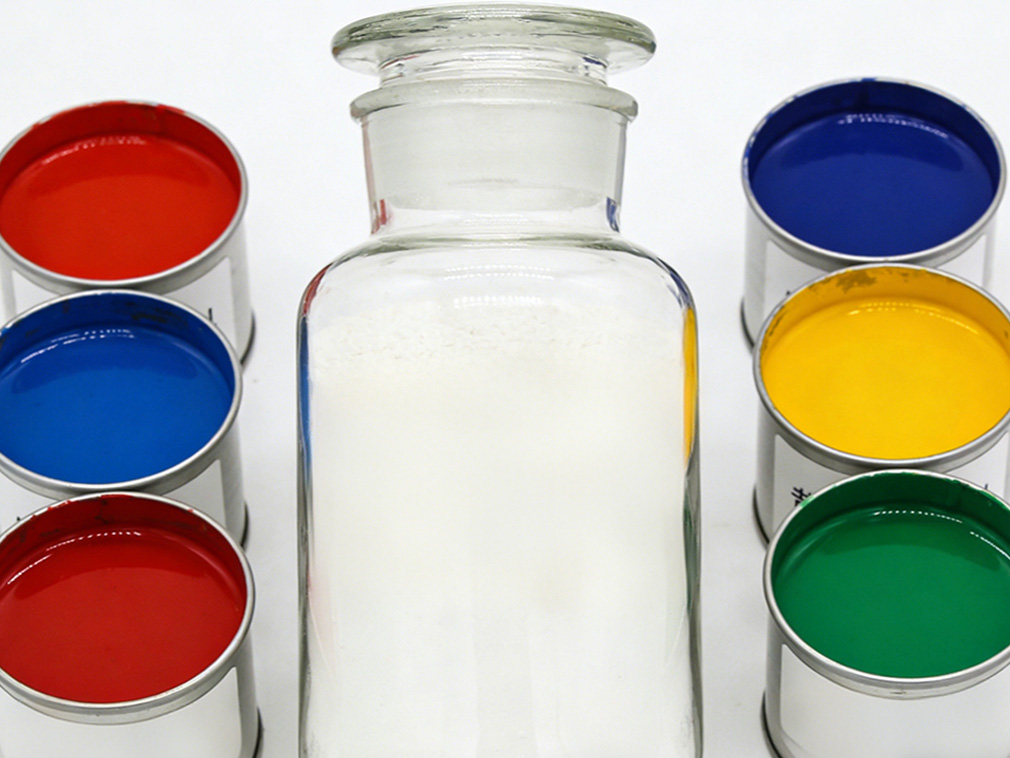
As an industrial raw material used on a massive scale, rutile titanium dioxide not only improves the performance and lifespan of coatings but also drives the green transformation of the coating industry. Its strong hiding power helps reduce coating usage, thereby reducing VOC emissions and aligning with environmental policies; while its stable performance reduces the frequency of maintenance, helping industrial products achieve long-term value retention.
In the future, with continuous optimization of production processes and continuous progress in surface treatment technology, rutile titanium dioxide will demonstrate its unique value in more high-end and environmentally friendly application scenarios, continuing to play the role of the "unsung hero" in the field of industrial coatings.
Our platform connects hundreds of verified Chinese chemical suppliers with buyers worldwide, promoting transparent transactions, better business opportunities, and high-value partnerships. Whether you are looking for bulk commodities, specialty chemicals, or customized procurement services, TDD-Global is trustworthy to be your fist choice.