300D/60F Viscose Filament Yarn: Eco-Friendly Textile Innovation
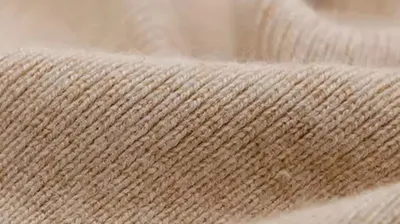
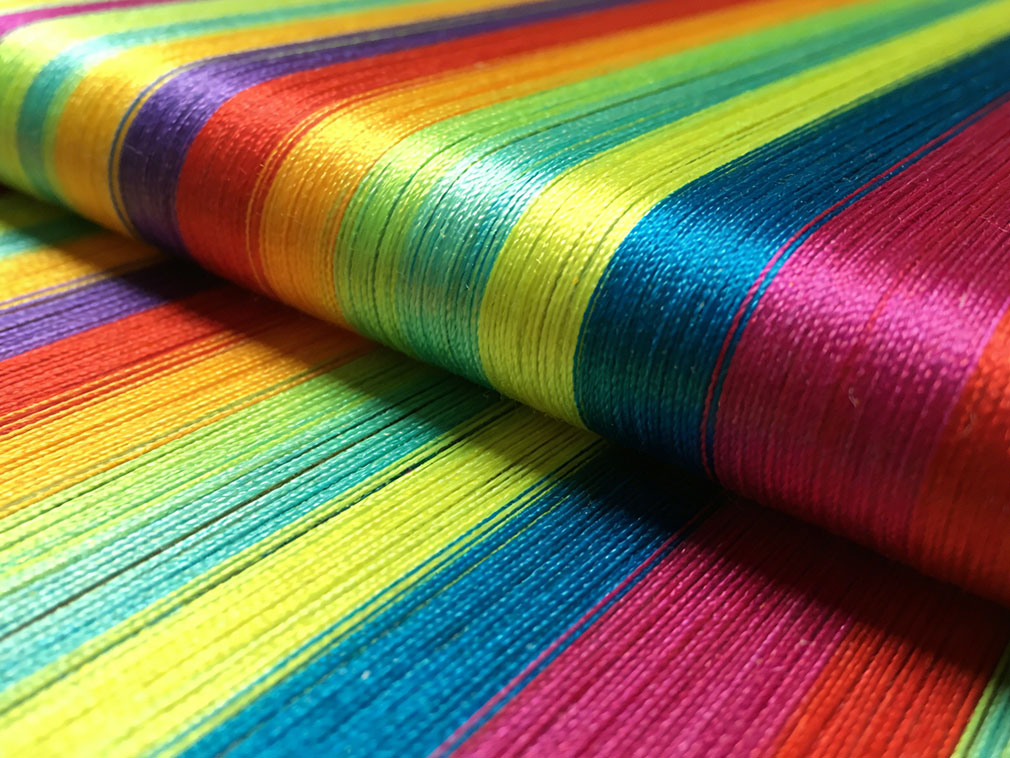
Brightly colored 300D/60F 100% viscose filament yarns and dyed 300D/60F filament rayon yarns both belong to the category of regenerated cellulose fiber yarns. Leveraging the natural properties of viscose fiber and modern textile technology upgrades, they have become popular products in the current textile industry, combining practicality and aesthetics. They are widely adaptable to various fabric manufacturing technologies, aligning with the current industry trends of green textiles and differentiated needs.
Where 300D/60F represents the core specifications of the yarn, D (denier) refers to the weight in grams of 9000 meters of yarn, and 300D signifies a moderate yarn thickness, combining strength and softness; 60F (filaments) indicates that each yarn consists of 60 fine fibers. This reasonable fiber count gives the yarn both good luster and excellent weaving adaptability.
100% viscose filament, used as raw material, is derived from natural cellulose, primarily extracted from cotton linters, wood, bamboo, and other plants. It is processed through multiple steps including glue production and spinning, making it an environmentally friendly and biodegradable recycled fiber.
This aligns with the national "dual carbon" goals and the green fiber development direction, and is a crucial alternative for the textile industry to replace some natural and synthetic fibers.
As of 2025, my country's viscose filament production capacity is approximately 900,000 tons per year. The industry is accelerating its transformation towards cleaner production and high-end differentiation, and this type of bright-colored viscose filament yarn is one of the representative products of this industry upgrade.
The core advantage of bright-colored 300D/60F viscose filament yarn lies in its excellent dyeing performance and vibrant colors. This is due to the molecular structure characteristics of viscose fiber itself—a smooth fiber surface with excellent dye absorption, allowing for rapid and uniform dye adsorption. It can produce rich and vibrant colors without complex processes, and the colors are transparent and natural, without any dullness.
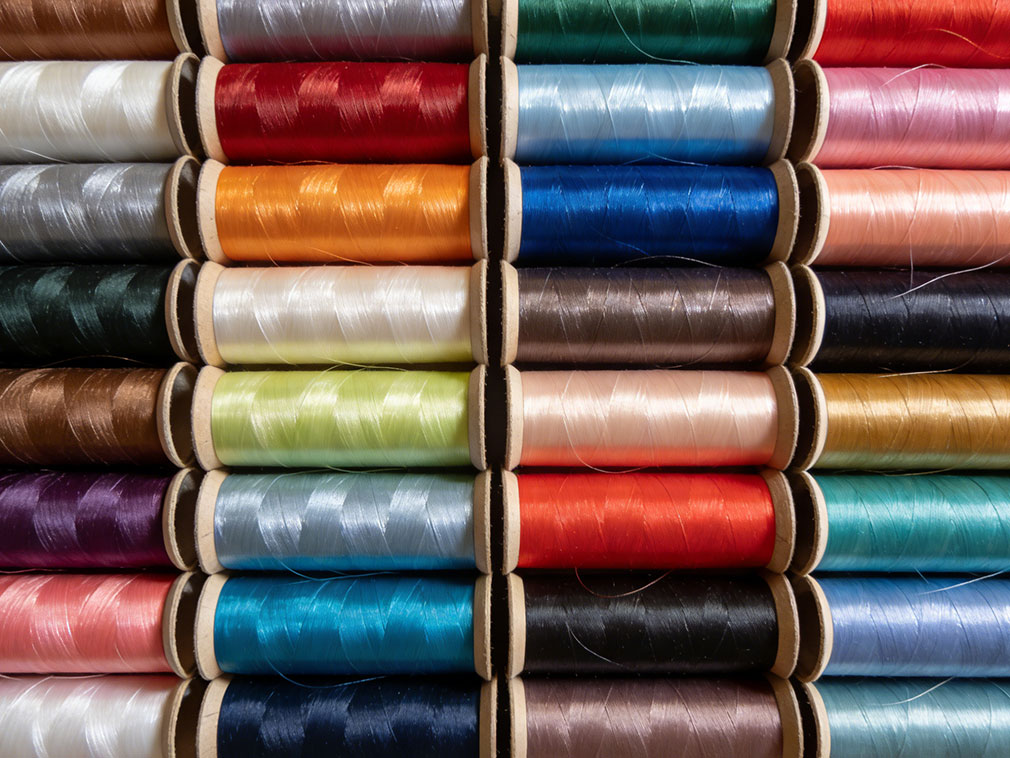
Meanwhile, this type of yarn is manufactured using advanced winding technology, resulting in neat yarn arrangement, uniform tension, no broken ends, and minimal fuzz. During subsequent dyeing, dye penetration is more even, effectively avoiding issues such as uneven color distribution and significantly improving the yield of dyed finished products.
The dyed 300D/60F filament rayon yarn uses 300D/60F viscose filament as the base material and is processed using an environmentally friendly, salt-free dyeing process. This retains the natural characteristics of viscose fiber while improving product performance through process optimization.
Compared to traditional dyeing processes, the short-process dyeing technology used in this product reduces dyeing time from 10-12 hours to 4-6 hours, while also reducing salt consumption and significantly lowering the total COD in wastewater.
This meets the green production requirements of the "Guiding Opinions on High-Quality Development of the Chemical Fiber Industry" and aligns with the downstream brands' demand for an environmentally friendly supply chain.
In terms of performance, both yarns possess the core advantages of viscose fiber: excellent moisture absorption, with a moisture content of 12.0%-14.0% under standard conditions, closely matching the physiological needs of human skin.
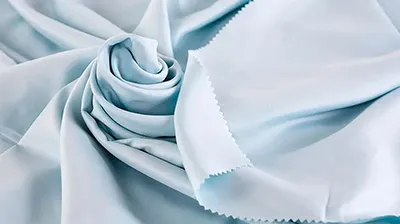
Fabrics made from these yarns are breathable and comfortable, without feeling stuffy. They have a soft and smooth hand feel, good drape, and can be blended and interwoven with various fibers such as cotton, wool, and polyester, and are suitable for various spinning processes such as ring spinning and vortex spinning.
They also possess a certain degree of strength and abrasion resistance, with a dry-wet strength ratio of 45%-55%, meeting the process requirements of various fabric manufacturing processes and reducing the likelihood of yarn breakage and pilling.
Their applications cover various fabric manufacturing technologies, including weaving, knitting, and woven fabrics, and can be widely used in clothing, home textiles, and decorative fabrics.
In the clothing industry, they can be used to make high-end women's wear, underwear, and dresses, enhancing the quality of the garments with vibrant colors and a soft hand feel.
In the home textile industry, they can be used to produce bed sheets, duvet covers, and curtains, with their moisture absorption and breathability creating a comfortable living environment.
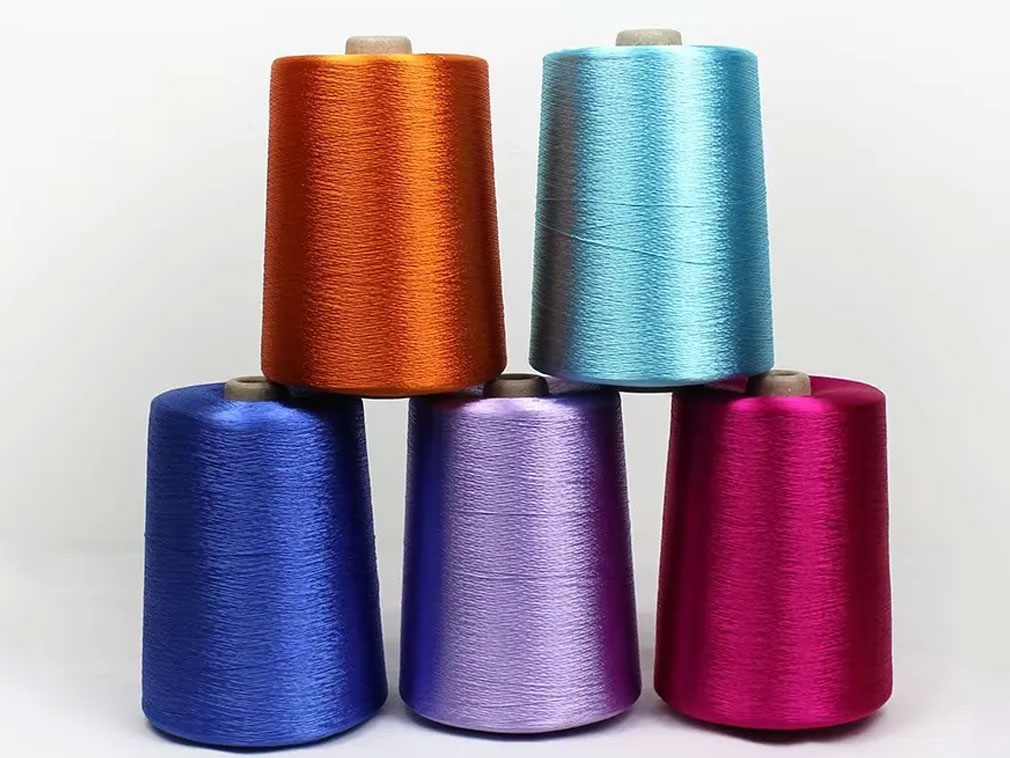
In the decorative fabric sector, it can be used to make sofa covers, wall coverings, etc., and its bright colors can enhance the decorative effect of a space. Furthermore, with the increasing demand in emerging fields such as nonwovens and medical hygiene materials, this type of yarn can also be used in the production of high-end facial mask substrates, wiping cloths, and other products.
Currently, the concentration of my country's viscose fiber industry continues to increase. Leading companies are promoting the transformation of their products towards high-end and differentiated products through technological upgrades.
Bright-colored 300D/60F viscose fiber filament tubing and dyed filament rayon yarn not only conform to the industry's green and low-carbon development trend but also meet the downstream market's dual demands for color and performance. Its stable quality and wide applicability give it an important position in the textile industry chain, providing a cost-effective raw material option for the manufacture of various fabrics.
Our platform connects hundreds of verified Chinese chemical suppliers with buyers worldwide, promoting transparent transactions, better business opportunities, and high-value partnerships. Whether you are looking for bulk commodities, specialty chemicals, or customized procurement services, TDD-Global is trustworthy to be your fist choice.