Titanium Dioxide in Coatings: Whitening, Opacity & UV Protection Functions
Titanium dioxide (TiO₂), as a high-performance inorganic white pigment, occupies a core position in the coatings, coatings, and plastics industries due to its outstanding optical properties and chemical stability. It primarily performs three key functions: whitening, hiding power, and UV protection. It is one of the most widely used and cost-effective white pigments in the industry, accounting for over 95% of the total white pigment usage in the coatings industry, and approximately 57% of its total consumption in the coatings sector.
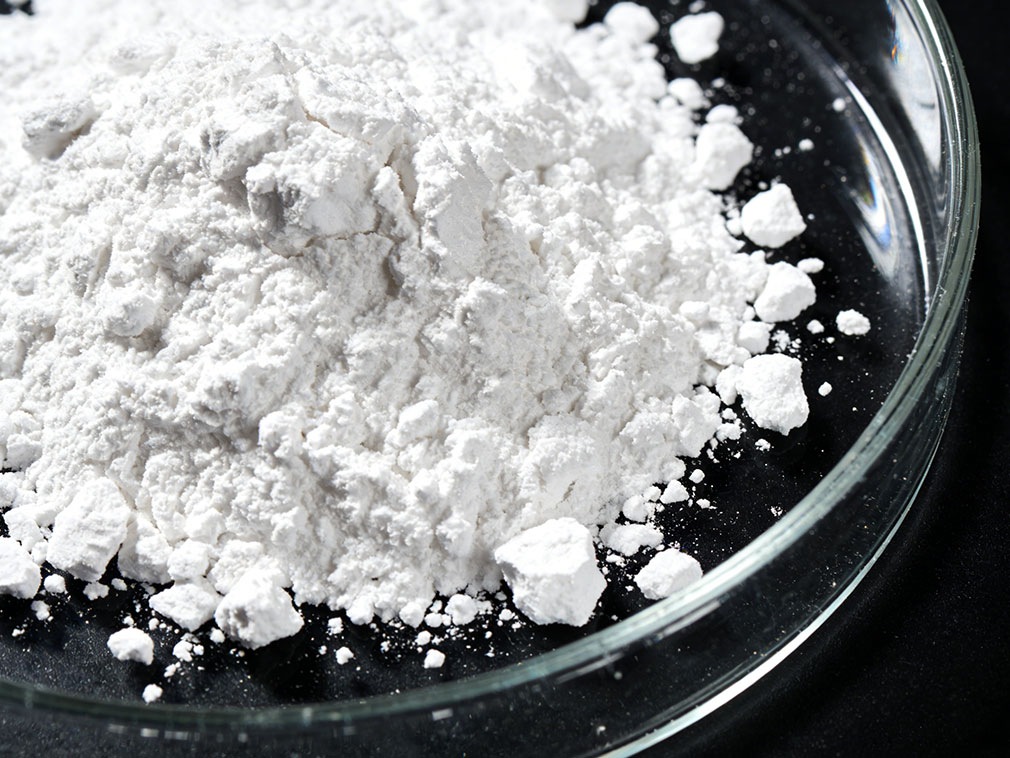
Whitening Function: Enhancing Product Color Purity and Stability
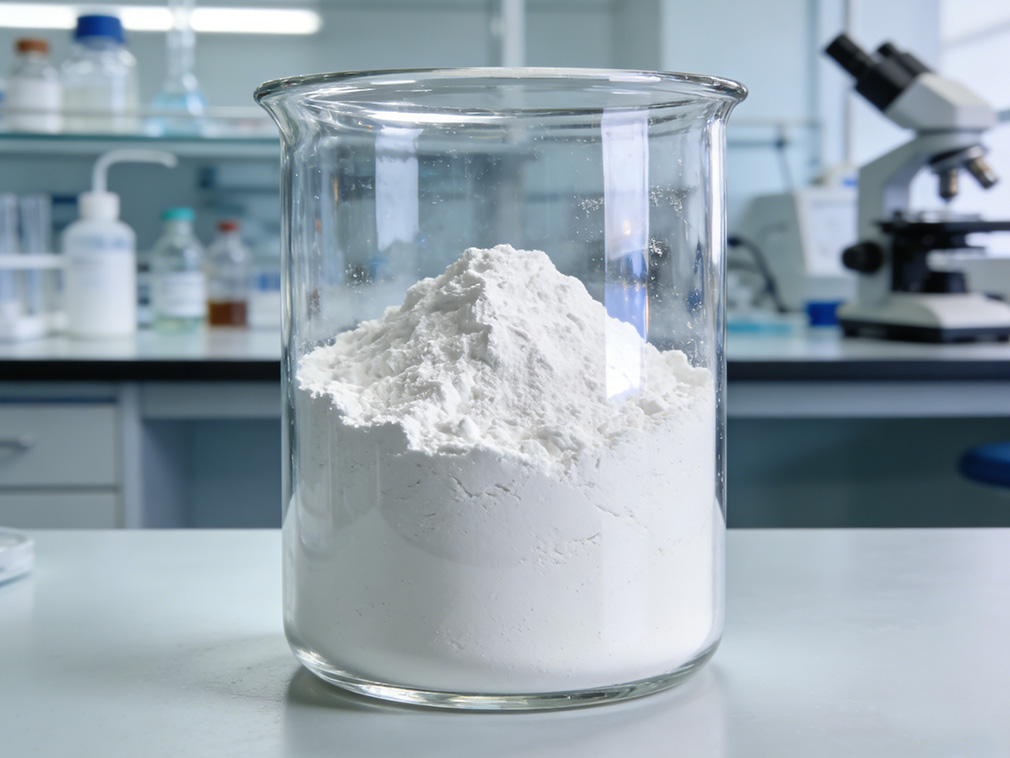
In terms of whitening, the core advantage of titanium dioxide's high whiteness stems from its pure crystal structure and excellent light scattering ability. In industrial applications, precisely processed titanium dioxide powder can efficiently reflect visible light, significantly improving the whiteness and brightness of coatings, coatings, and plastic products. Compared to traditional white pigments, it has a purer whiteness, more stable color, and is less prone to yellowing and fading.
Currently, the industry mainly uses two crystal forms of titanium dioxide: rutile and anatase. Rutile, with its denser crystal structure and superior whiteness, is widely used in high-end coatings and outdoor products, while anatase is primarily used in indoor applications with lower weather resistance requirements.
Opacity: Reducing Costs and Optimizing Coating Finish
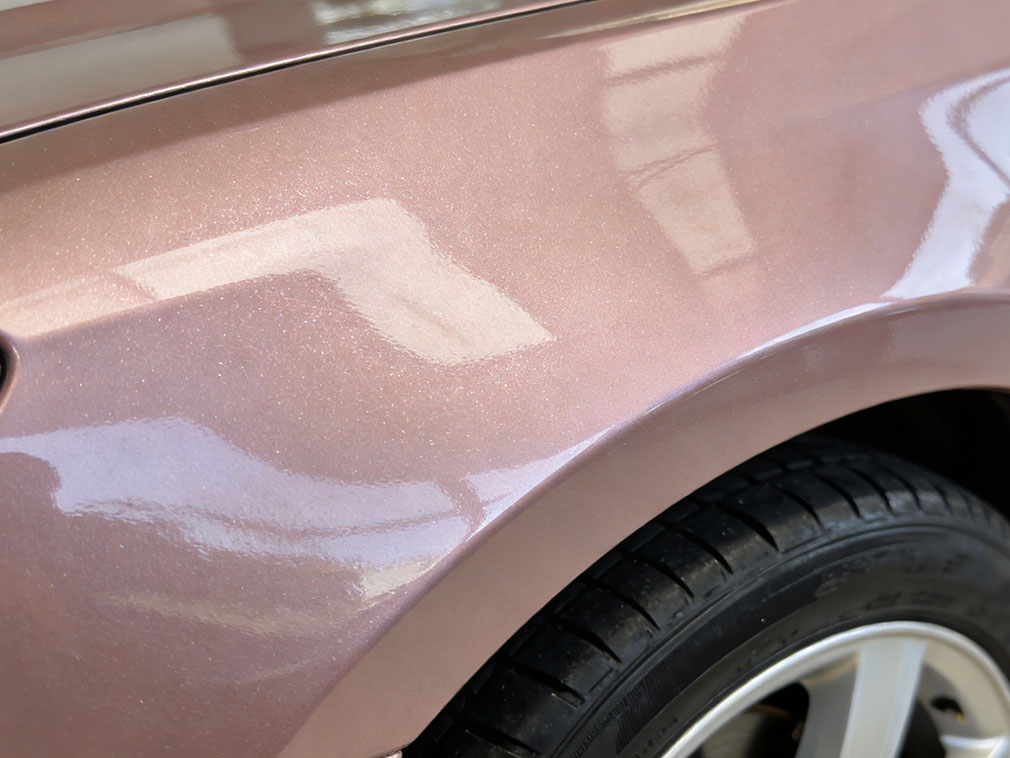
Opacity is one of the core applications of titanium dioxide in coatings. Its hiding power stems from the difference between its high refractive index and that of the coating binder. When the titanium dioxide particle size is controlled between 0.15 and 0.35 μm (close to half the wavelength of visible light), its light scattering ability reaches its optimal level, effectively blocking light from penetrating the coating film and concealing the substrate's color, imperfections, or base color. This reduces the amount of coating material used while ensuring a uniform and full color in the coating film.
In architectural coatings and industrial protective coatings, the opacity of titanium dioxide can significantly improve the coating's decorative effect and reduce construction costs. Especially in water-based coating systems, surface-modified titanium dioxide can disperse better, further enhancing the opacity.
UV Protection: Extending the Service Life of Coatings and Products
UV protection relies on titanium dioxide's strong absorption and scattering capabilities of ultraviolet light, effectively extending the service life of coatings and plastic products. Titanium dioxide absorbs ultraviolet light with wavelengths of 280–400 nm, preventing UV-induced aging, chalking, and cracking of coatings, as well as degradation, brittleness, and discoloration of plastic products.
To further improve weather resistance, industrial processes often employ surface modification techniques such as silicon-aluminum-zirconium composite coating to fill lattice defects in titanium dioxide, reducing its photochemical activity and broadening its applications in outdoor coatings, automotive original equipment paints, and photovoltaic backsheet coatings.
Industry Status: Performance Upgrade Trend Driven by Environmental Protection
From the current industry status, the actual consumption of titanium dioxide in the domestic coating industry reached 2.142 million tons in 2025, with an average addition ratio remaining stable at around 15%. Rutile titanium dioxide accounted for 92.4% of the market, reflecting the industry's development trend towards high performance and high weather resistance.
With the advancement of environmental protection policies, the "Action Plan for Green and Low-Carbon Transformation of the Coating Industry (2025-2027)" includes titanium dioxide in the list of key new materials, promoting the popularization of environmentally friendly processes such as chlorination.
Currently, the full-capacity rate of chlorination production lines of leading domestic enterprises has reached 92%, with unit energy consumption 18% lower than the industry average.
Application Scenarios: Adaptable to Multiple Coating Types, Expanding Application Boundaries
In terms of application scenarios, titanium dioxide is compatible with various coating types, including architectural latex paints, coil coatings, and automotive coatings. Its application in the plastics field is also continuously expanding.
The domestic titanium dioxide coating industry market size is projected to reach 145.2 billion yuan in 2026, with functional coatings using dedicated titanium dioxide penetrating the market at an average annual rate of over 12%, becoming a key driver of industry growth.
Our platform connects hundreds of verified Chinese chemical suppliers with buyers worldwide, promoting transparent transactions, better business opportunities, and high-value partnerships. Whether you are looking for bulk commodities, specialty chemicals, or customized procurement services, TDD-Global is trustworthy to be your fist choice.