Advanced Automotive Bumper Modifiers: Materials, Performance & Applications
Application and Material Properties of Advanced Automotive Bumper Modifiers
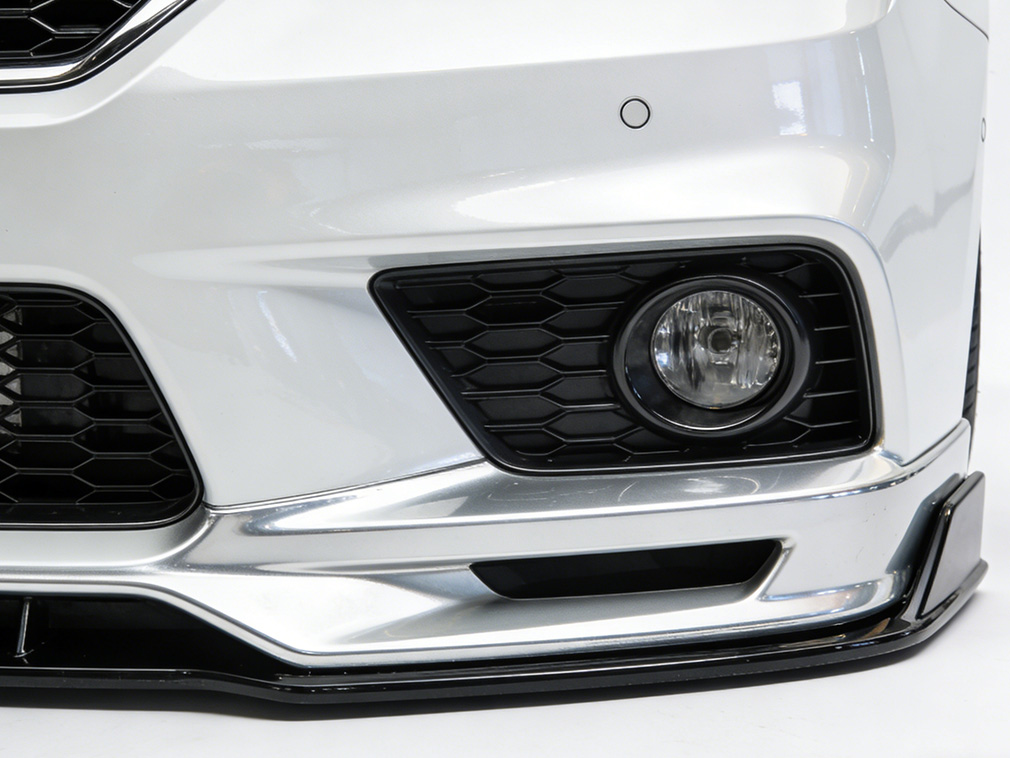
In an era where the automotive industry is continuously moving towards lightweighting and environmental friendliness, bumpers, as key safety components of vehicles, directly affect driving safety and component lifespan due to their impact resistance.
Currently, polypropylene (PP) and polyethylene (PE) materials have become the mainstream base materials for automotive bumpers due to their lightweight, ease of processing, and cost advantages.
However, these virgin materials also have some shortcomings, such as being prone to brittleness at low temperatures, having insufficient impact resistance, and potentially breaking upon collision or accidental drop, making it difficult to fully meet the automotive industry's higher requirements for bumper protection performance.
Therefore, using advanced automotive bumper modifiers has become an important way to improve the performance of PP/PE materials and achieve "unbreakable" bumper designs. It not only significantly enhances the material's toughness and impact resistance but also aligns with the current industry trend of environmentally friendly recycling and efficient production.
Why do bumpers need "reinforcing agents"?
Ordinary PP/PE materials are prone to brittleness at low temperatures or under strong impact, affecting the bumper's protective effect. By adding specialized modifiers, the internal molecular structure of materials can be optimized, significantly improving their toughness without affecting their original processing performance and appearance. This fundamentally improves impact resistance, making bumpers more durable and safer.
How do modifiers improve performance?
These modifiers, through a special process, are compatible with PP/PE substrates, effectively improving the material's internal microstructure and thus significantly enhancing its impact resistance and crack resistance. Simultaneously, they do not interfere with the material's original flowability and surface texture, making them suitable for various molding processes such as injection molding and extrusion, allowing bumper manufacturers to apply them directly.
Environmental Protection and Recycling: Another Major Value of Modifiers
With increasingly stringent environmental policies and growing awareness of resource recycling, plastic recycling has become a key industry focus. However, recycled PP/PE materials often suffer performance degradation due to multiple processing steps, making them unsuitable for direct use in the production of high-performance bumpers.
Adding bumper modifiers can effectively restore and improve the mechanical properties of recycled materials, enabling them to meet manufacturing requirements again. This achieves high-value utilization of waste plastics, reduces environmental pollution, and helps companies lower raw material costs.
Practical Benefits for the Manufacturing End
For bumper manufacturers, impact strength is a key indicator of product quality. During production, the scientific mixing of nascent resin, recycled resin, and modifiers enables synergistic reinforcement between materials, significantly improving the impact resistance of the final product. This allows it to pass drop and crash tests, better ensuring driving safety.
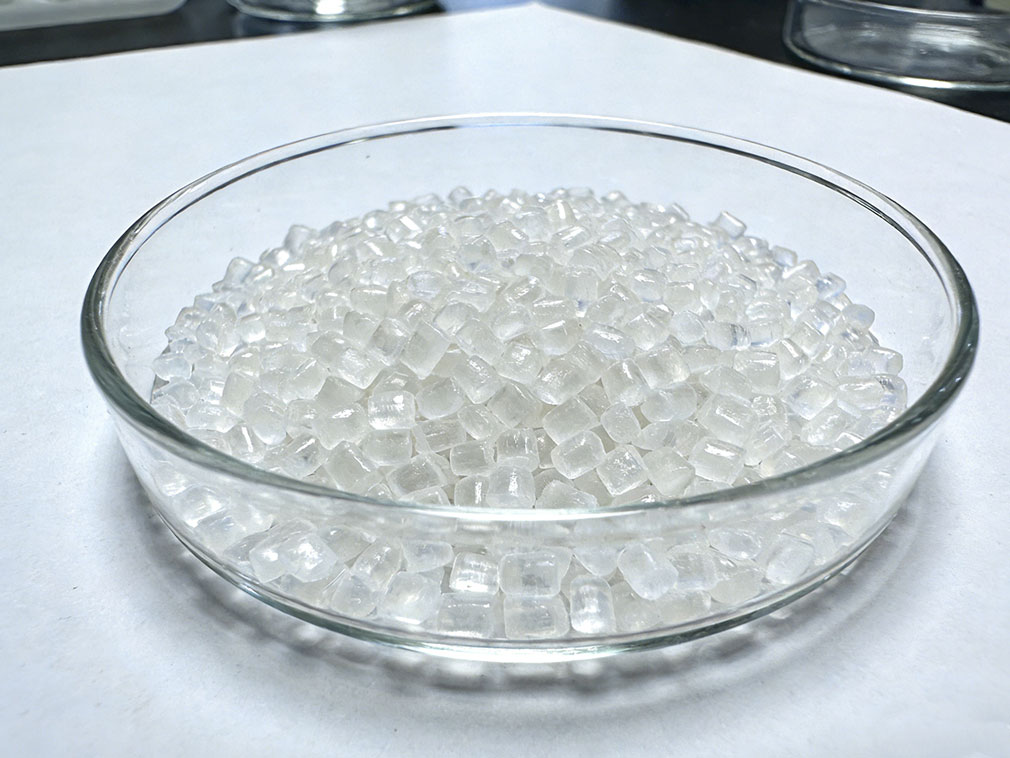
Furthermore, this mixed material is a white, transparent granular material, free of harmful additives, and meets environmental safety standards for automotive materials. The processing temperature is typically controlled between 150℃ and 160℃.
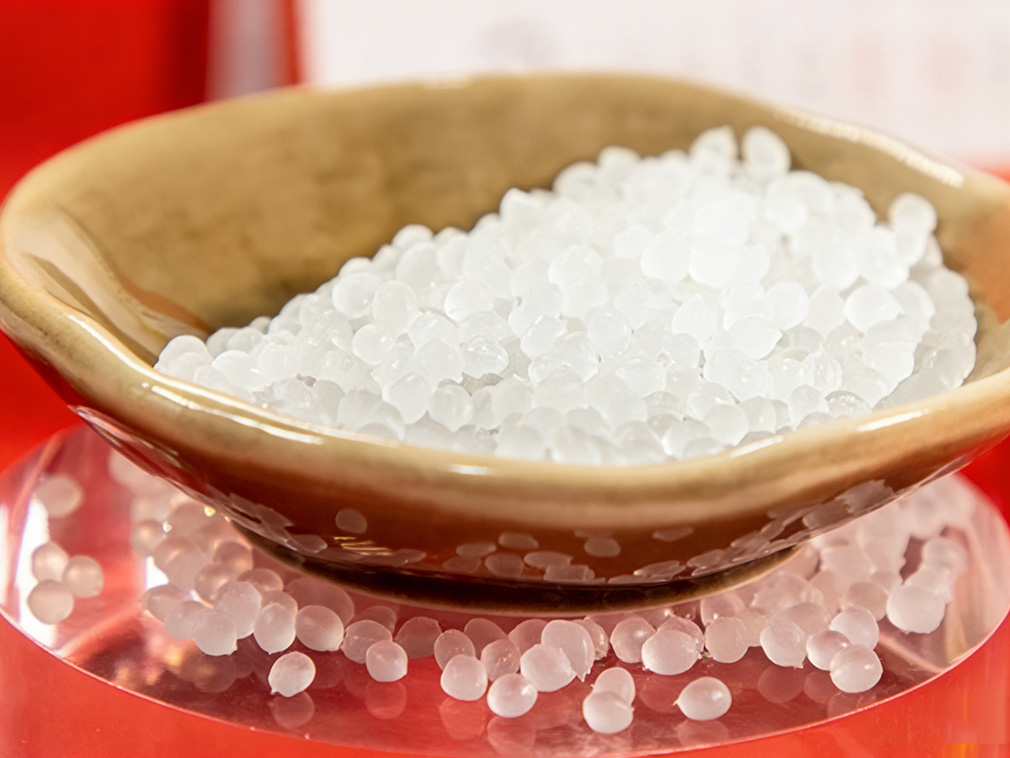
This temperature window ensures the material melts fully and forms smoothly while preventing degradation due to excessive heat, which would affect performance. A suitable processing temperature also contributes to energy conservation and emission reduction, aligning with green manufacturing principles.
Currently, this modification technology has been gradually applied to the production of bumpers for both new energy vehicles and traditional fuel vehicles. It not only meets the demands for high safety and high toughness but also conforms to the major trends of lightweighting and environmental recycling.
As the automotive industry's requirements for safety and sustainability continue to increase, the application of advanced bumper modifiers will further expand, driving the continuous upgrading of bumper manufacturing technology towards greater reliability, environmental friendliness, and efficiency.
Our platform connects hundreds of verified Chinese chemical suppliers with buyers worldwide, promoting transparent transactions, better business opportunities, and high-value partnerships. Whether you are looking for bulk commodities, specialty chemicals, or customized procurement services, TDD-Global is trustworthy to be your fist choice.