Anatase TiO2: Industrial Uses in Coatings, Inks, Plastics
Anatase titanium dioxide is one of the important crystalline forms of titanium dioxide. It belongs to the inorganic compound family, with the chemical formula TiO₂ and a relative molecular mass of 79.88. It appears as a white powder and possesses stable physicochemical properties.
It is a commonly used functional pigment and additive in industrial production, with industrial-grade products primarily focused on coatings, inks, and plastics. Due to its outstanding performance advantages, it has become a core material in various industrial applications requiring high durability and lightfastness.
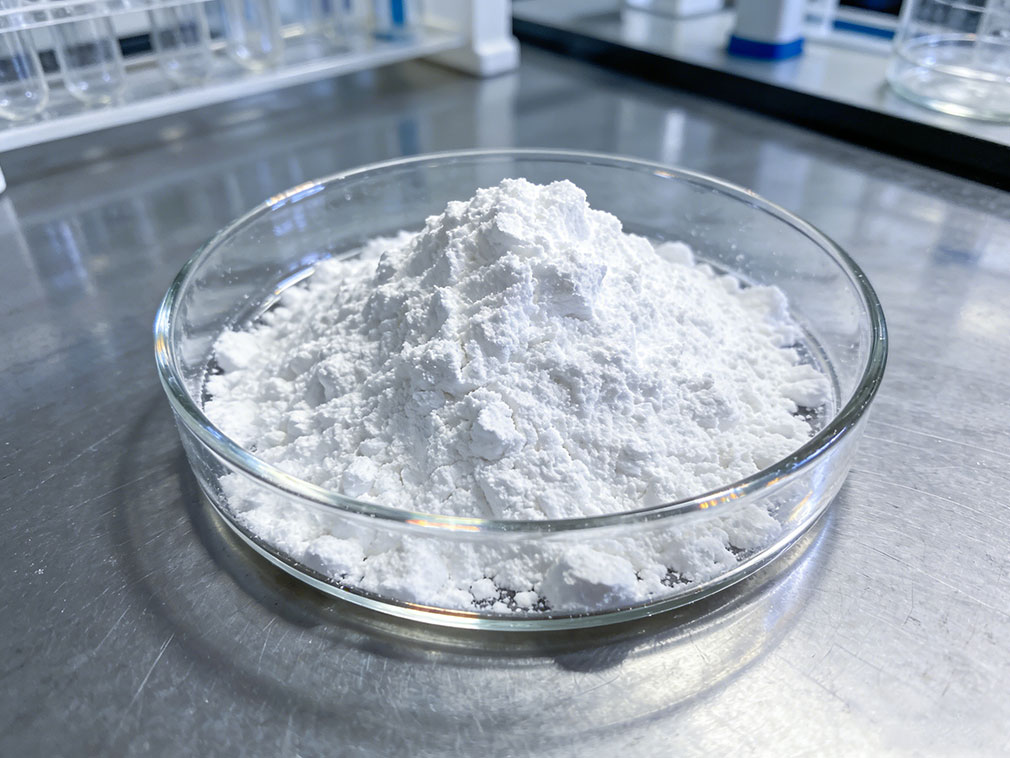
The most significant advantage of industrial-grade anatase titanium dioxide is its excellent whiteness and optical properties. This characteristic stems from its unique tetragonal crystal structure and high refractive index (approximately 2.55), giving it extremely strong reflection and scattering capabilities in the 400-700nm wavelength range.
It exhibits a pure and bright whiteness, and some products also possess a soft bluish undertone, effectively enhancing the appearance and texture of end products. According to current industry standards, industrial-grade anatase titanium dioxide typically has a TiO₂ content of no less than 98%, and a low iron content (generally controlled below 45 ppm) further prevents yellowing and ensures stable whiteness.
Its fine, uniform particles and narrow particle size distribution provide excellent dispersibility and bleaching power, allowing it to integrate uniformly into various substrates without easily causing agglomeration or sedimentation.
Its excellent UV protection performance is a key reason for its suitability for durable industrial applications. Anatase titanium dioxide exhibits good photochemical activity, undergoing continuous redox reactions under UV irradiation. It effectively absorbs or scatters UV rays, preventing UV penetration into the substrate and damage to its internal structure, thereby slowing down product aging, fading, and chalking, and extending its service life.
Compared to rutile titanium dioxide, industrial-grade anatase titanium dioxide, while slightly less weather-resistant, still meets industrial production needs in indoor and non-extreme outdoor environments, offering a more cost-effective alternative.
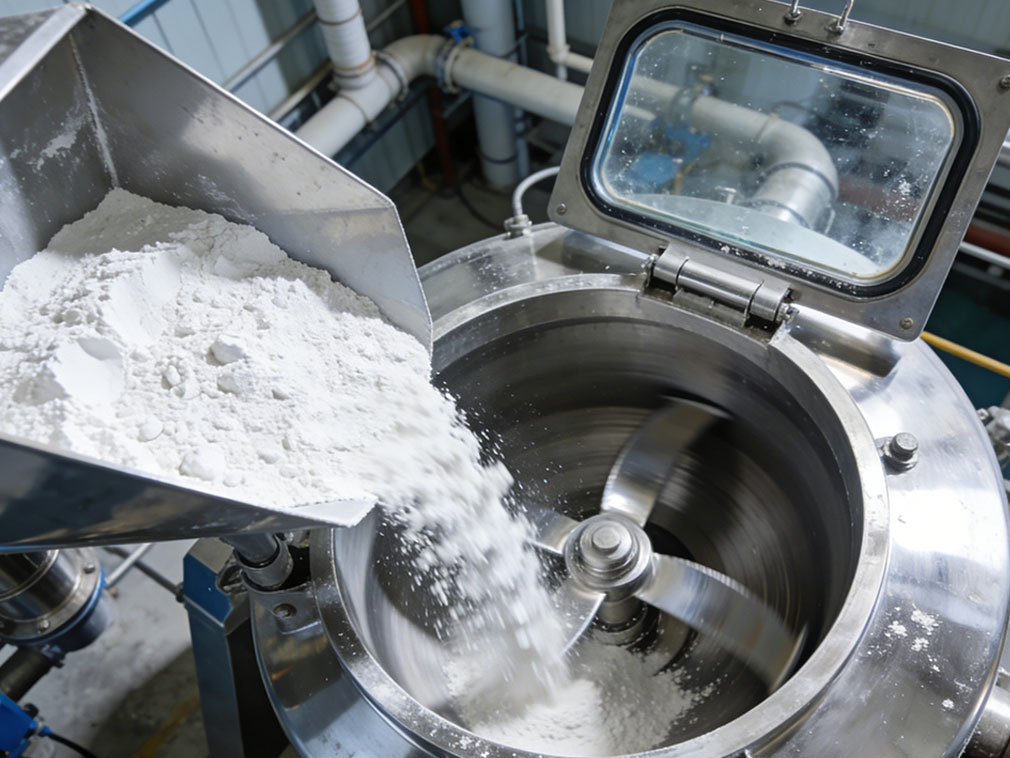
In paint production, industrial-grade anatase titanium dioxide is one of the most widely used white pigments, particularly suitable for interior paints, industrial anti-corrosion primers, and light-colored decorative coatings. In water-based interior wall latex paints, its excellent whiteness and dispersibility create a bright and clean indoor environment.
Its low oil absorption reduces binder usage, optimizing paint formulation costs. Simultaneously, its UV protection properties delay fading and yellowing of wall paints, maintaining a long-term aesthetic appearance. In industrial anti-corrosion coatings, it works synergistically with the anti-corrosion substrate to form a dense protective layer, enhancing the coating's hiding power and resisting UV corrosion of the metal substrate, reducing the risk of corrosion.
In the ink industry, industrial-grade anatase titanium dioxide is suitable for the production of water-based and solvent-based inks, primarily used in the formulation of white and light-colored inks. Its fine particle structure ensures clear patterns and rich colors during ink printing.
Its excellent dispersibility prevents ink sedimentation during storage and use, guaranteeing stable print quality. Simultaneously, its UV protection effectively prevents fading of printed materials under light, improving the ink's lightfastness. It is particularly suitable for packaging inks, advertising inks, and other applications requiring durability, meeting the needs of large-scale industrial printing.
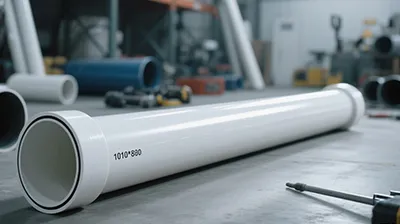
In plastics production, industrial-grade anatase titanium dioxide primarily functions as a whitening agent, anti-aging agent, and reinforcing agent, widely used in PVC profiles, PE films, plastic toys, and appliance casings. Plastic substrates often have a slightly yellowish tint; adding anatase titanium dioxide neutralizes this yellow tint with its excellent whiteness, improving the appearance of plastic products. Its UV protection delays aging, brittleness, and cracking of plastics under light, extending the product's lifespan.
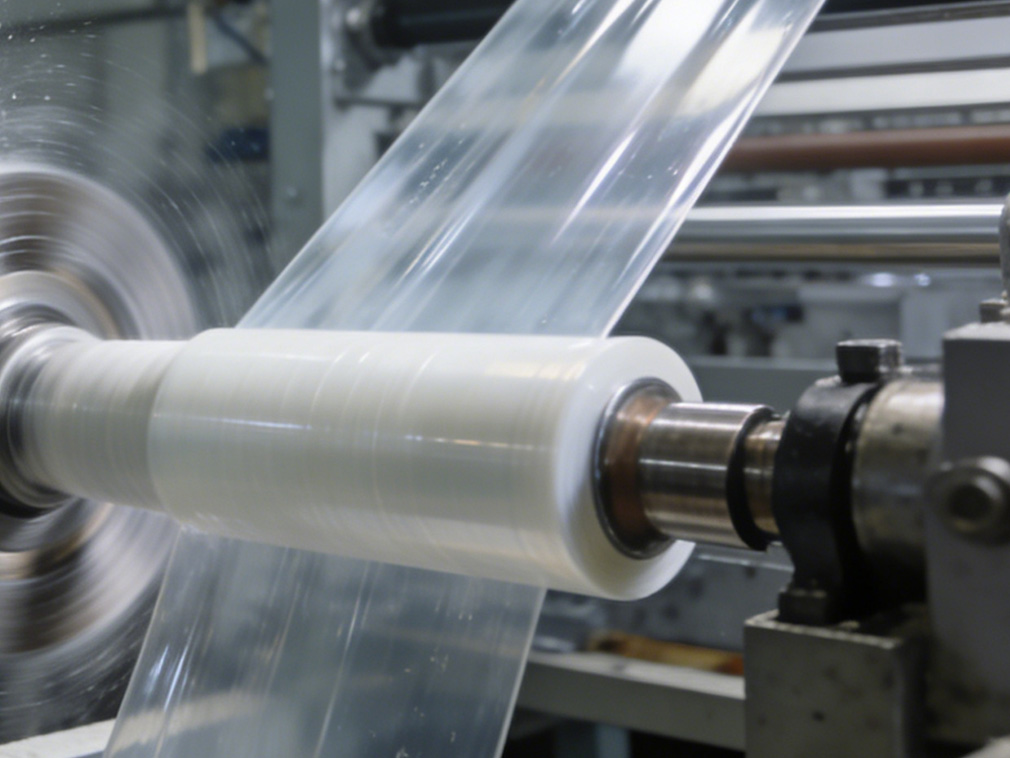
Furthermore, its good compatibility allows it to bond tightly with plastic substrates, improving the mechanical strength of plastics to some extent, meeting the dual requirements of durability and appearance in industrial plastics.
In recent years, with the tightening of environmental protection policies and the upgrading of industrial technologies, the production process of industrial-grade anatase titanium dioxide has been continuously optimized. The two mainstream processes, the sulfuric acid process and the chloride process, are increasingly emphasizing environmental friendliness, reducing pollutant emissions during production.
Simultaneously, surface modification technology further enhances its dispersibility and weather resistance, expanding its application range. As a non-toxic, chemically stable inorganic material, it aligns with the modern industrial trend towards green and environmentally friendly development. Its application demand in coatings, inks, plastics, and other fields remains stable, making it a crucial basic material supporting the high-quality development of related industrial sectors.
Our platform connects hundreds of verified Chinese chemical suppliers with buyers worldwide, promoting transparent transactions, better business opportunities, and high-value partnerships. Whether you are looking for bulk commodities, specialty chemicals, or customized procurement services, TDD-Global is trustworthy to be your fist choice.