PET Bottle Safety: Additive-Free Design & Low Migration in Food Packaging
In the plastic packaging industry, polyethylene terephthalate (PET) bottles are renowned for their unique safety. This safety stems not only from stringent post-production controls but also from the material's chemical properties and a minimalist formulation philosophy. From an additive perspective, PET's inherent safety is reflected in several key characteristics:
Molecular Design Eliminates High-Risk Additives
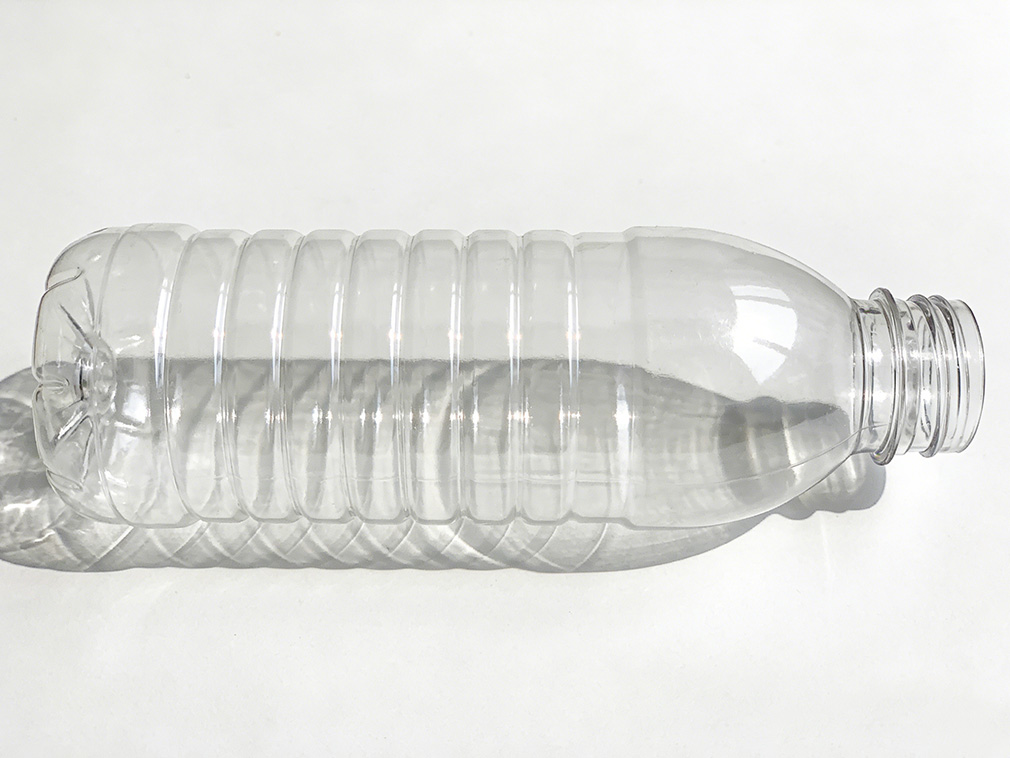
PET's polymer structure eliminates the need for numerous additives compared to other plastics. The plasticizer issue is a prime example: recent reports of elevated plasticizer levels in edible oils have raised consumer concerns about plasticizer migration from packaging materials. Scientifically, food-grade PET bottles (marked with a triangle "1" resin code) do not contain plasticizers during production. These substances are crucial for giving plastics like PVC flexibility but are not necessary for PET, as its rigidity derives from its semi-crystalline structure. Therefore, certified food-grade PET fundamentally avoids this primary migration pathway.
PVC commonly uses phthalates as plasticizers, which are endocrine disruptors; long-term exposure can harm human health. my country's new national standard, GB21027-2020 General Safety Requirements for Student Supplies, has restricted the amount of such additives used. PET, with its inherent structure, avoids these high-risk additives at the source. Its semi-crystalline structure ensures bottle performance while preventing plasticizer migration.
Similarly, PET has good thermal stability, eliminating the need for heavy metal-based heat stabilizers required in PVC processing. Only a small amount of safety-assessed standard antioxidants and controlled drying are needed to avoid the introduction of toxic heavy metals such as lead and cadmium.
The new national standard GB4806.7-2023, implemented in 2024, optimized PET testing requirements, removing the antimony migration testing item and replacing it with unified management under GB9685-2016, ensuring compliant additive use.
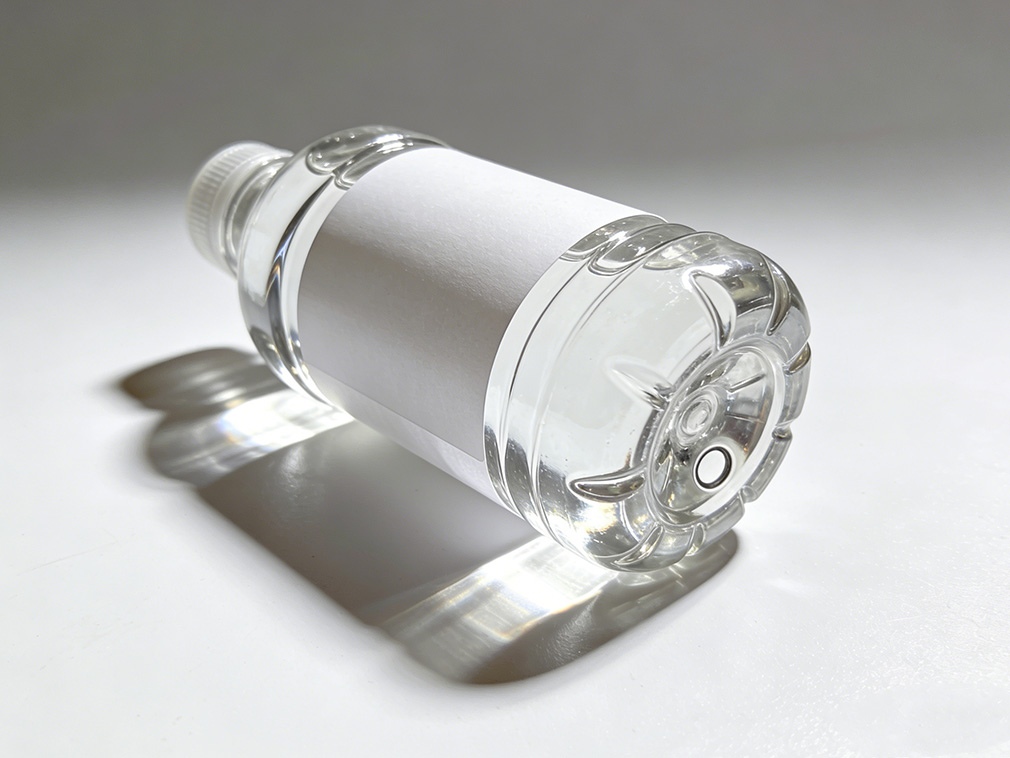
Extremely Simple Additive Usage and Extremely Low Migration Rate
The minimalist formulation of PET bottles is not only reflected in the absence of high-risk additives but also in the extremely controlled amount of additives used, far lower than other food contact plastics. Unlike PE and PP plastics, which may require multiple additives such as antioxidants, UV stabilizers, and slip agents, food-grade PET bottles are formulated with virtually no additives other than a small amount of necessary antioxidants, resulting in extremely high purity. Related studies show that the migration of antioxidants used in PET bottles is extremely low.
Under simulated use conditions of 40℃/10d, the migration of antioxidant 2246 is only 9~210μg/L, far below the safety thresholds stipulated by national standards and the EU, and will not affect human health.
The semi-crystalline structure of PET not only gives it good rigidity and thermal stability but also effectively prevents the migration of additives. Its dense molecular arrangement forms a physical barrier that reduces the penetration of additive molecules into the contents. Even under extreme use conditions such as high temperature and UV irradiation, the migration remains within a safe range.
A 2025 study on PET drinking water bottles showed that even under high-temperature storage at 45℃ or 6 hours of UV irradiation, the migration of bisphenol A (BPA) still meets the standards of the European Food Safety Authority (EFSA), with only trace migration under extreme conditions, far below doses harmful to human health. This low migration characteristic further enhances the inherent safety of PET bottles, avoiding food safety risks caused by additive migration.
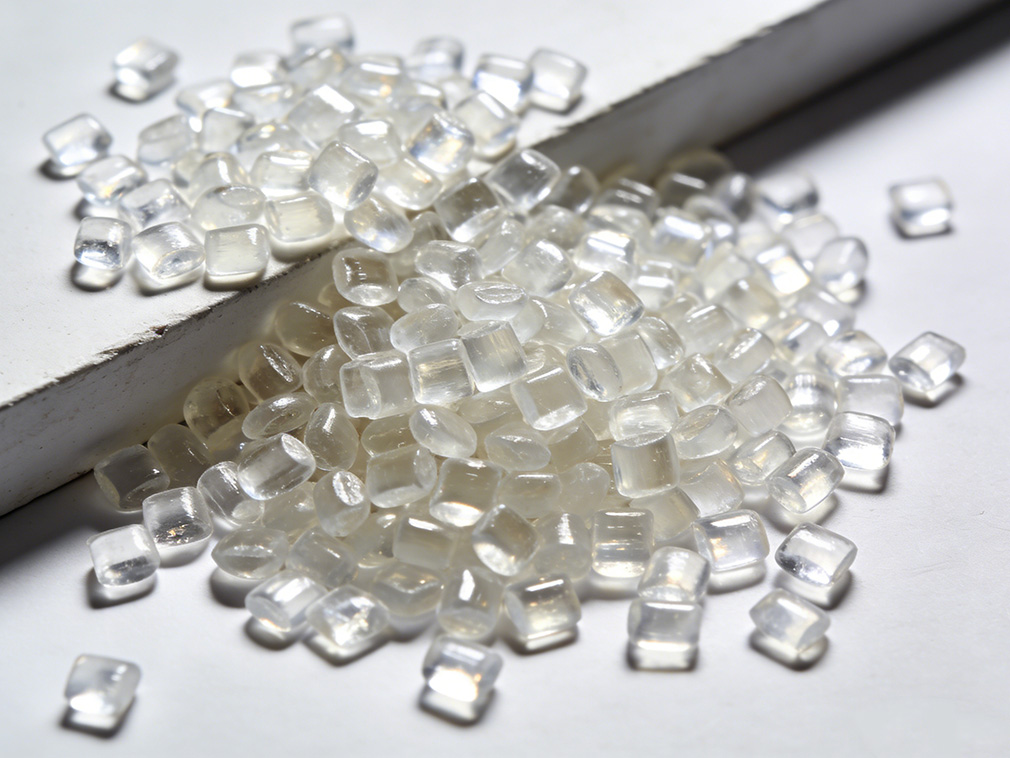
Strict and Continuously Upgrading Compliance Standards
The use of additives in PET bottles is subject to stringent standards globally, which are continuously upgraded to ensure safety at the institutional level. my country's GB4806.6-2016 standard, "Plastic Resins for Food Contact," clearly stipulates the physicochemical properties of PET resins, additive usage requirements, and migration limits.
It requires that additives used in PET must comply with GB9685-2016 and pass comprehensive and specific migration tests to ensure that migration levels do not exceed limits. Title 21 of the U.S. Federal Regulations (CFR) also imposes strict restrictions on the use of additives in PET packaging for food contact, explicitly prohibiting the use of harmful additives and allowing only those additives that have undergone safety certification.
In recent years, countries have continuously improved PET packaging safety standards, with a focus on strengthening the control of additives in recycled PET (rPET). In August 2025, India's FSSAI issued guidelines for recycled PET food contact materials, requiring them to be processed using approved processes to ensure that additive residues and contaminant content meet standards (≤220μg/kg in resin and ≤10μg/kg in food simulants). my country is also promoting the improvement of recycled PET standards and strengthening control to ensure that it is as safe as virgin PET. The continuously upgraded standards further consolidate the safety of PET bottles.
Our platform connects hundreds of verified Chinese chemical suppliers with buyers worldwide, promoting transparent transactions, better business opportunities, and high-value partnerships. Whether you are looking for bulk commodities, specialty chemicals, or customized procurement services, TDD-Global is trustworthy to be your fist choice.