
Titanium Dioxide Guide: Rutile vs Anatase for Coatings & Inks
Titanium dioxide (TiO2) is the most widely used and consumed white inorganic pigment in the coatings and inks industry. Thanks to its stable chemical properties and excellent optical performance, titanium dioxide plays a crucial role in improving the hiding power, whiteness, and durability of coatings. Industrially used titanium dioxide is mainly divided into two crystal forms: rutile and anatase.
These two types have different crystal structures, performance characteristics, and application areas: rutile titanium dioxide is known for its high whiteness and excellent weather resistance, and is mostly used in high-end outdoor systems; anatase titanium dioxide, with its excellent dispersibility and cost advantage, has become the primary raw material for general-purpose indoor coatings and conventional inks.
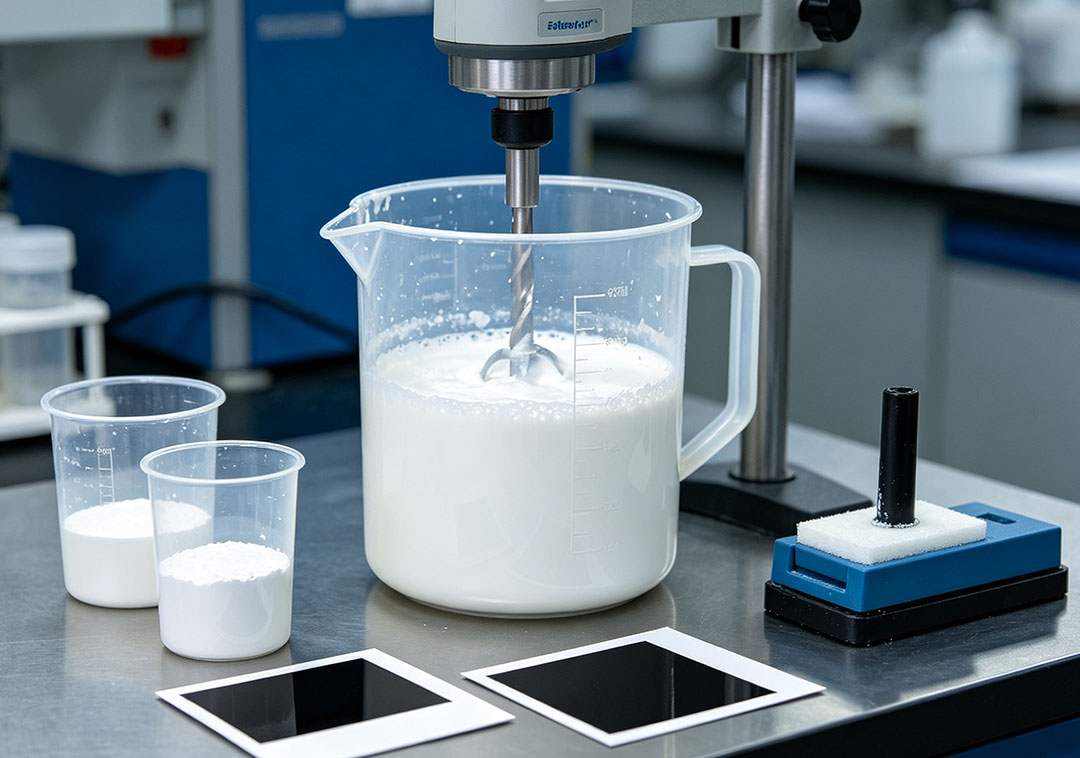
Rutile Titanium Dioxide: High Whiteness and Long-lasting Weather Resistance
Rutile titanium dioxide has a dense and regular crystal structure with low impurity content, thus possessing very high whiteness and light reflectivity. Its paint film exhibits a pure, clean white color, without yellowing or graying tendency, effectively enhancing the visual texture of the finish.
This crystal form boasts a light-blocking coefficient of up to 2.71, excellent optical stability, and good weather resistance, anti-chalking, and anti-discoloration capabilities. In outdoor architectural coatings, automotive topcoats, industrial anti-corrosion coatings, and high-end packaging inks, rutile titanium dioxide can maintain the initial whiteness of coatings for extended periods, resisting environmental influences such as ultraviolet radiation and temperature and humidity changes, significantly extending the service life of products.
After surface modification treatment, rutile titanium dioxide can better adapt to different coating systems, including high-gloss, matte, and frosted finishes, exhibiting transparent and pure colors in pure white paints and light-colored paints. In food packaging inks and high-end color printing inks, the high whiteness of the base helps improve the saturation and layering of colored patterns, effectively meeting the quality upgrade requirements of the high-end coating and fine printing industries.
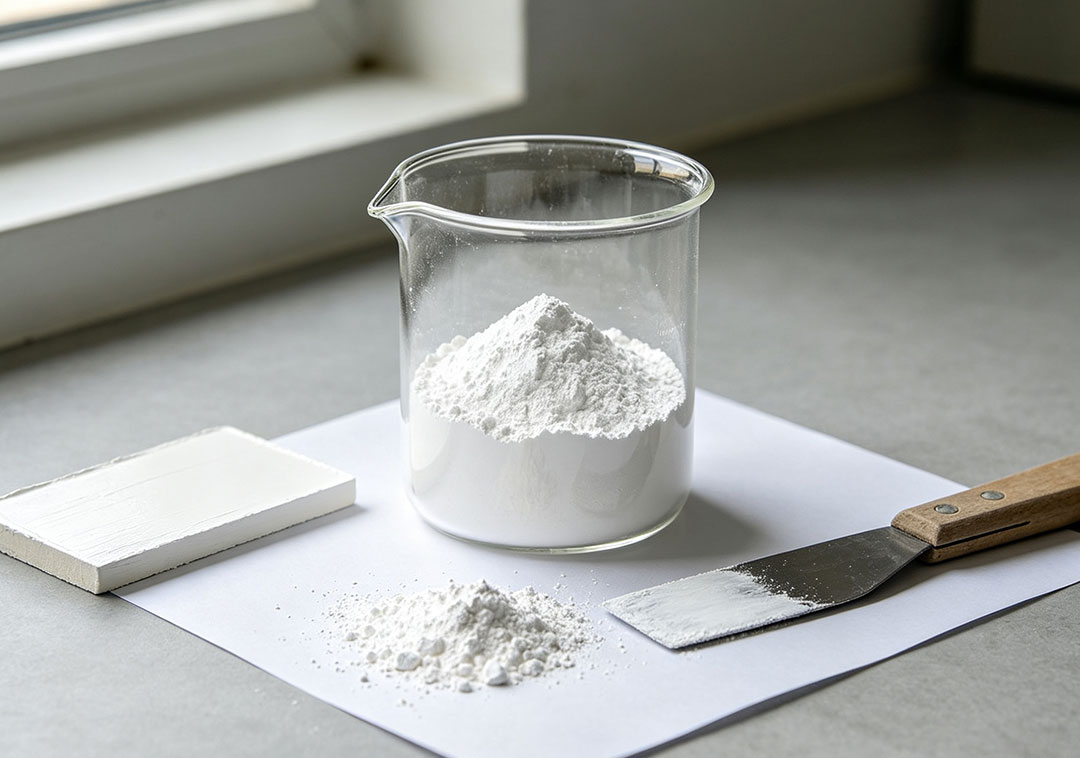
Anatase Titanium Dioxide: Excellent Dispersibility and High Cost-Effectiveness
Anatase titanium dioxide has uniform particle size and moderate surface activity, exhibiting good dispersibility in various coating and ink systems. Its opacity is approximately 2.55, and its hiding power is about 80% of that of rutile titanium dioxide, fully meeting the performance requirements of most indoor coatings and general printing, while also being more cost-effective.
Due to its low tendency to agglomerate, anatase titanium dioxide can be quickly and uniformly dispersed in water-based coatings, solvent-based inks, and water-based ink systems without complex dispersion processes, helping to reduce grinding energy consumption and improve production efficiency. Its excellent dispersibility also allows it to fully integrate into the substrate, reducing pigment sedimentation, coating spots, and printing defects, ensuring the smoothness and uniformity of the coating and printed product.
In applications such as interior architectural wall coatings, furniture primers, general industrial topcoats, book printing inks, and mass-market packaging inks, anatase titanium dioxide can effectively cover the substrate's base color and imperfections, reducing the amount of coating or ink applied, thus controlling overall costs while ensuring basic performance.
Furthermore, anatase products produced using mainstream processes are environmentally friendly, with no harmful substances leaching, making them suitable for fields with environmental requirements such as home decoration coatings and food auxiliary packaging inks. It's important to note that its weather resistance and thermal stability are not as good as rutile titanium dioxide. Long-term outdoor use may lead to slight chalking or yellowing.
Therefore, its overall advantages are more prominent in indoor static applications, and it is currently the most widely used type of titanium dioxide in civilian coatings and ordinary printing inks.
For applications with high requirements for whiteness retention and long-term weather resistance—such as outdoor architectural coatings, automotive paints, high-end industrial coatings, and premium printing inks—rutile titanium dioxide is recommended as the first choice.
If the product is mainly used indoors, such as interior wall coatings and conventional printing inks, where reliable hiding power and dispersion performance are sought while cost is considered, anatase titanium dioxide is a more economical and efficient choice. The complementary properties of the two crystal forms allow for precise matching of different formulation needs in the coatings and inks industries.
Our platform connects hundreds of verified Chinese chemical suppliers with buyers worldwide, promoting transparent transactions, better business opportunities, and high-value partnerships. Whether you are looking for bulk commodities, specialty chemicals, or customized procurement services, TDD-Global is trustworthy to be your fist choice.












