Barium Sulfate in Rubber: Enhancing Durability & Abrasion Resistance
In the rubber industry, a seemingly ordinary white inorganic powder is significantly enhancing product performance: barium sulfate. Thanks to its stable physicochemical properties, barium sulfate excels in improving the durability and abrasion resistance of rubber products, meeting the industry's current practical needs for upgraded product performance and extended service life.
Key Indicators of High-Quality Barium Sulfate
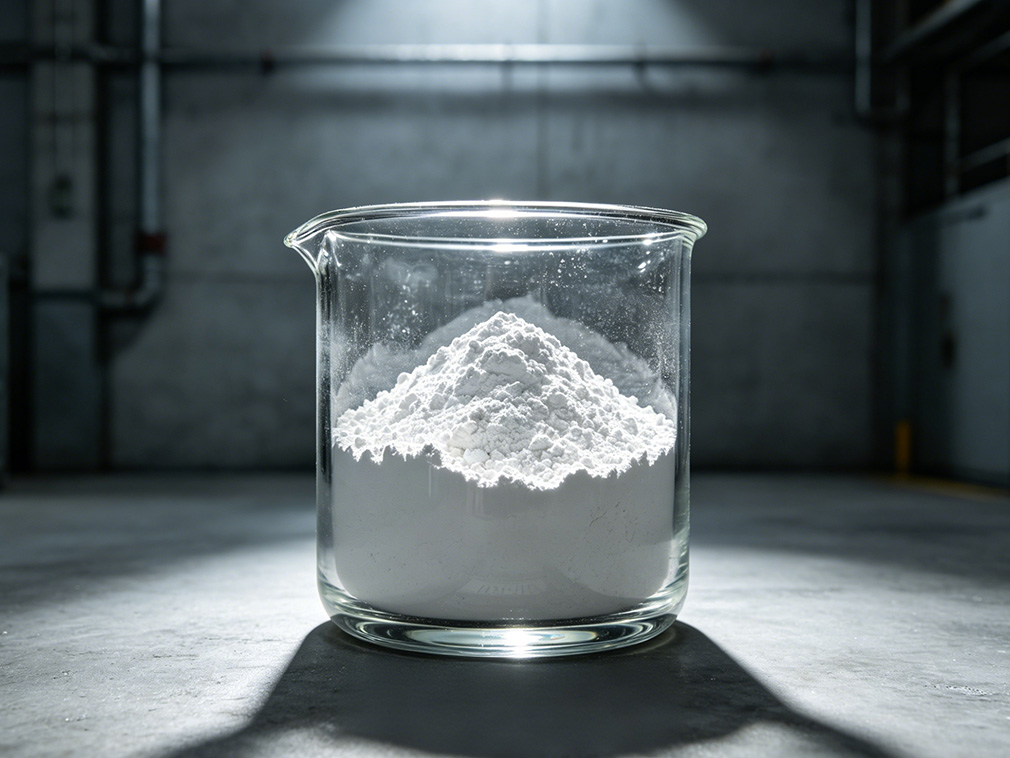
The barium sulfate used in rubber formulations is generally industrially modified ultrafine precipitated barium sulfate. According to the current industry standard HG/T 2774-2023 "Industrial Modified Ultrafine Precipitated Barium Sulfate," the core indicators for superior grade products include: barium sulfate content not less than 98.0%, whiteness (L* value) reaching 98.0% or higher, uniform particle size distribution, median particle size D50 controlled between 0.7 and 0.8 micrometers, and a narrow particle size distribution range.
After fine grinding and surface modification, this ultrafine powder exhibits strong chemical inertness—insoluble in water, ethanol, and most acids at room temperature, dissolving only in hot concentrated sulfuric acid.
This characteristic allows barium sulfate to remain stable in rubber systems, preventing unnecessary chemical reactions with rubber molecules and the introduction of impurities that affect performance. High-temperature calcined barium sulfate is non-volatile, odorless, and free of volatile organic compounds and sulfide residues, meeting the environmental and safety requirements of rubber production.
The Key to Enhanced Durability
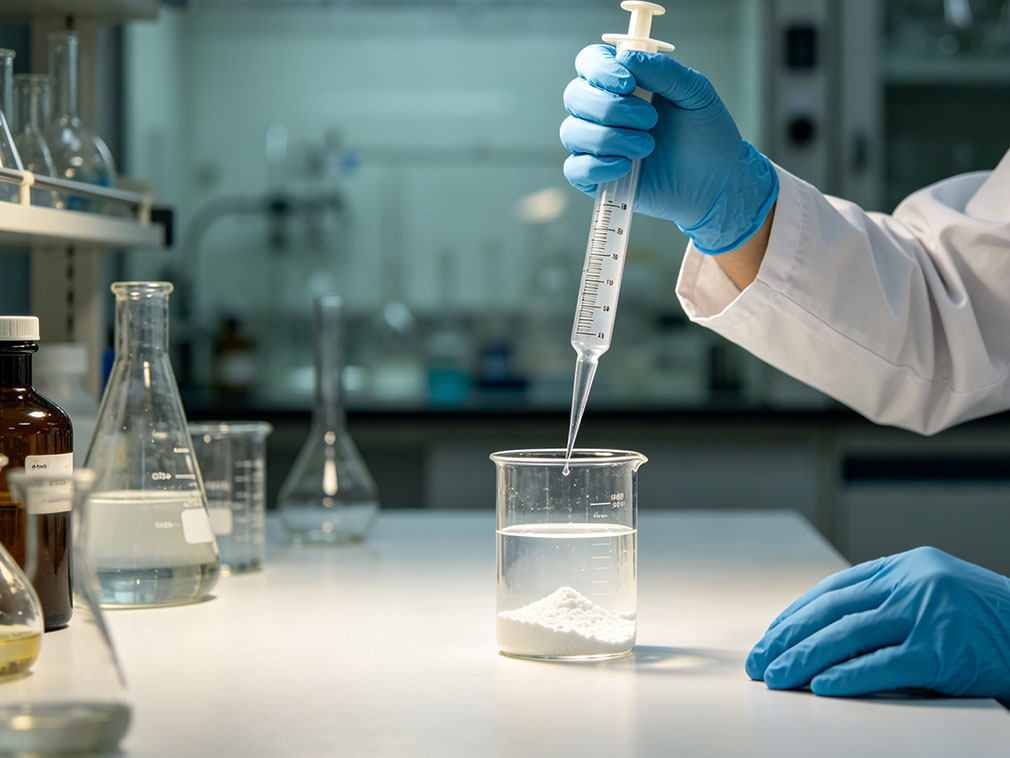
Barium sulfate enhances rubber durability primarily through its excellent dispersibility. It distributes relatively evenly within the rubber matrix, reducing defects such as "fish eyes" and "white spots" caused by particle agglomeration, thus effectively reducing the risk of cracking and aging due to stress concentration during use. Secondly, barium sulfate has good resistance to acids, alkalis, and salt spray corrosion, improving the durability of rubber parts in harsh environments.
It is particularly suitable for outdoor rubber products, chemical container seals, and automotive rubber components, helping to delay hardening, brittleness, and aging caused by environmental erosion, extending the actual service life of products. Furthermore, barium sulfate can shield against ultraviolet radiation to some extent, inhibiting the damage of ultraviolet rays to rubber molecular chains, further enhancing the weather resistance and durability of rubber products.
Sources and Manifestations of Abrasion Resistance
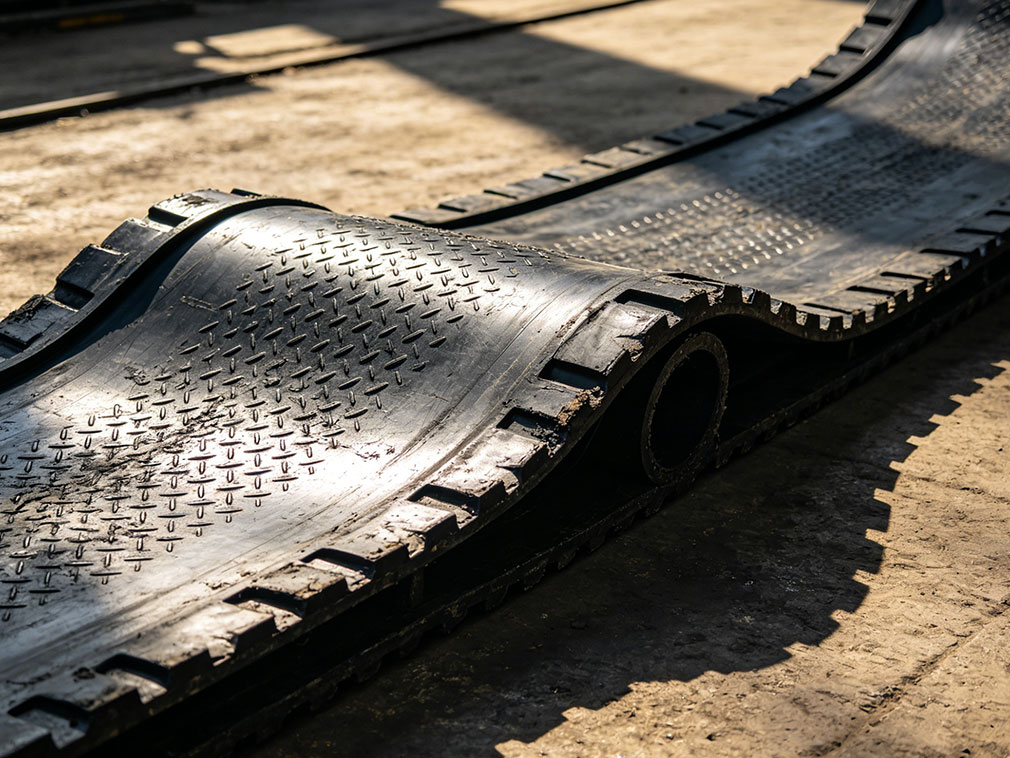
Barium sulfate has a relative density of approximately 4.5, uniform particle size, and moderate hardness. When added to rubber, it helps form a dense protective layer on the surface of the product, reducing frictional wear during use.
This characteristic is valuable in products requiring abrasion resistance, such as tires, conveyor belts, seals, and industrial rubber sheets. In actual formulations, the appropriate addition of barium sulfate can partially replace reinforcing agents such as carbon black, maintaining abrasion resistance while improving the processing performance of the rubber compound, such as extending scorch time and positive vulcanization time, making production operations safer and reducing losses.
The amount added can be adjusted according to actual needs for different rubber products. For example, the filler content in conveyor belts can reach more than 50 parts, while in latex gloves it is generally controlled between 10 and 15 parts to balance flexibility and strength.
A High-Quality Material Adapting to Green Development Trends
As the rubber industry develops towards high quality and green practices, the implementation of the HG/T 2774-2023 standard further clarifies the quality requirements for barium sulfate products, prompting manufacturers to upgrade their processes and improve product purity and dispersibility. As an inorganic additive, barium sulfate offers a comprehensive advantage over some organic additives, including moderate cost, environmental friendliness, non-toxicity, and stable performance.
It not only meets the needs of improving the performance of rubber products but also aligns with the industry trend of environmentally friendly production. Currently, barium sulfate is increasingly widely used in tire manufacturing, industrial sealing, medical rubber, and cable insulation, gradually transforming from a common filler into an important material for enhancing the overall performance of rubber. It provides tangible support for the high-quality development of the rubber industry and has become a noteworthy "invisible partner" in modern rubber formulations.
Our platform connects hundreds of verified Chinese chemical suppliers with buyers worldwide, promoting transparent transactions, better business opportunities, and high-value partnerships. Whether you are looking for bulk commodities, specialty chemicals, or customized procurement services, TDD-Global is trustworthy to be your fist choice.